Should Pakistani TV Glorify Drug Dealers? Hina Parvez Butt Says No
FilmiTalk Take
Hina Parvez Butt raises a legitimate concern that the Pakistani media industry cannot dismiss simply as political interference — how a story is framed around a criminal figure carries real cultural weight, and that responsibility belongs to creators first.
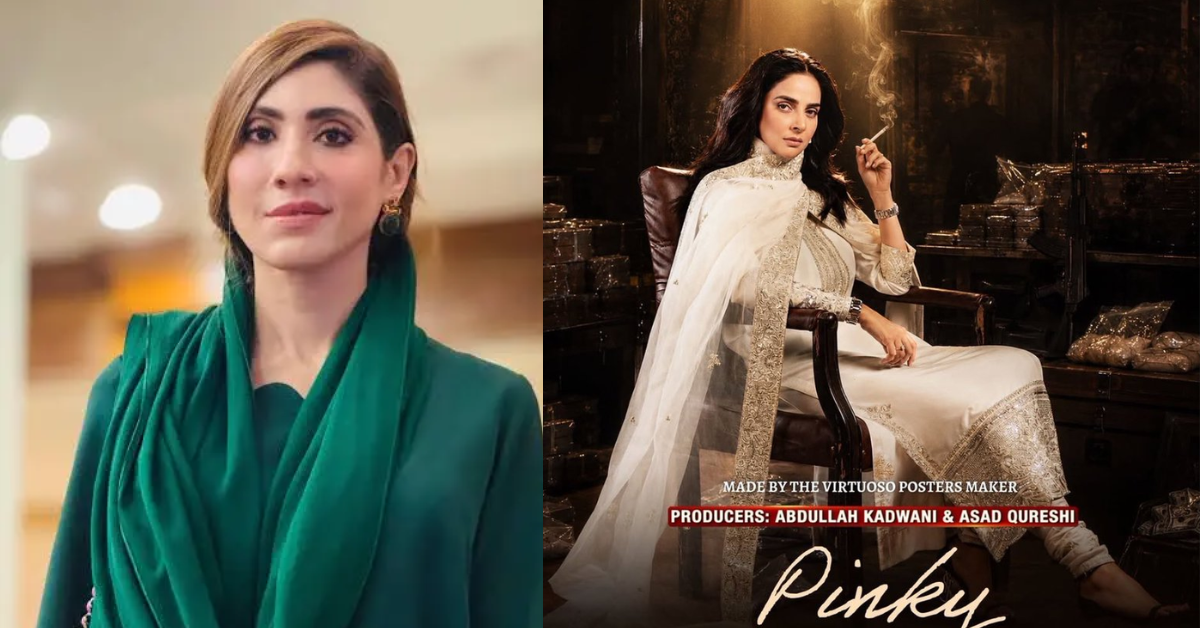
When a politician steps into the entertainment conversation, it usually means the stakes have gotten serious enough that silence no longer feels acceptable. That appears to be exactly the moment PML-N leader Hina Parvez Butt has arrived at, going public with her opposition to reports of a Pakistani drama being developed around the life of a notorious drug dealer known as Pinky.
Hina Parvez Butt’s core argument is a simple but pointed one: not every infamous figure deserves a dramatised spotlight, and the media industry has a responsibility to think carefully about who it chooses to frame as a compelling central character. Pinky, she argues, is not a role model, and building a drama around such a figure risks sending entirely the wrong message to audiences, particularly younger viewers who absorb these narratives as cultural signals.
This is not a new tension in South Asian entertainment. Pakistani dramas have long walked a complicated line between exploring dark social realities and inadvertently romanticising them. Some of the most-watched serials in recent years have tackled addiction, crime, and moral ambiguity with genuine nuance. But the difference between a drama that critically examines a criminal world and one that turns a drug dealer into an aspirational anti-hero is significant, and audiences, critics, and now politicians are clearly paying attention to which side of that line this project might fall on.
The broader cultural conversation here matters too. Pakistan’s entertainment industry has faced ongoing scrutiny from regulatory bodies, religious voices, and now elected officials about the kind of content being produced. When a drama is perceived to glamourise a figure connected to drug trafficking, it touches a nerve that goes well beyond creative freedom. Families watching together on weeknights, parents concerned about what their children are absorbing, and communities already dealing with drug-related harm are all part of the audience that content creators must reckon with.
That said, the counter-argument also deserves space. Storytelling has always drawn from the most difficult corners of real life. Crime dramas, biopics of controversial figures, and morally complex narratives have produced some of the most culturally impactful content globally. The question is not whether such stories can be told, but how they are told. Tone, framing, and intent matter enormously. A drama that holds a criminal figure up to scrutiny is a very different product from one that turns them into a legend.
Hina Parvez Butt’s comments have already stirred conversation on Pakistani social media, with audiences divided between those who feel the industry needs these guardrails and those who worry about political interference in creative decisions. It is a tension that creative industries across the world navigate, and Pakistan is no exception.
For Pakistani drama fans in Australia, the UK, Canada, and beyond, this debate is particularly interesting because diaspora audiences often look to dramas as a window into the social fabric back home. What gets made, what gets celebrated, and what gets challenged by public figures all shape that picture.
So here is the question worth sitting with: where do you draw the line between bold storytelling and irresponsible glorification, and who gets to draw it?