Diljit Dosanjh’s SF Concert Interrupted by Stage Invader
FilmiTalk Take
Diljit Dosanjh's measured response to repeated political disruptions at his concerts shows a rare maturity, but the incidents highlight the impossible tightrope globally visible South Asian artists must walk when their identity becomes a political flashpoint.
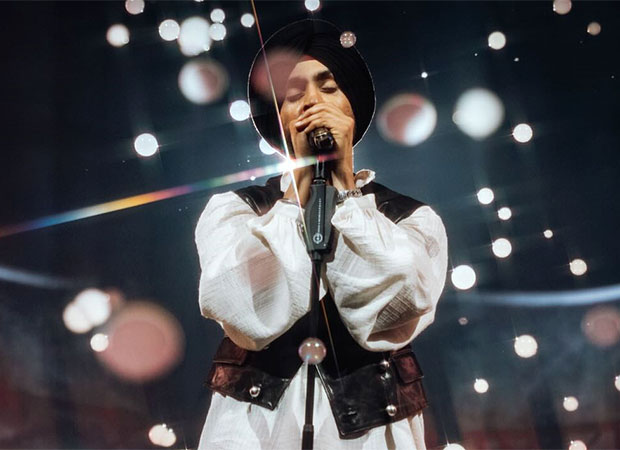
Diljit Dosanjh cannot seem to catch a break on his Aura World Tour, and not for the reasons any artist wants to be in the headlines. What should have been another night of celebration at San Francisco’s Chase Center turned into a moment that has social media divided and the broader South Asian diaspora talking about something far bigger than music.
The incident itself unfolded fast. A man allegedly bypassed security, made it onto the stage, and began waving a Khalistan flag right beside Diljit mid-performance. To his credit, Diljit handled it with composure. He stepped back, let security do their job, and the man was swiftly removed and later arrested by local police. Anyone watching the viral footage could see Diljit clock the situation immediately, and his calm reaction under pressure said a lot about his experience performing at this level.
But this is not an isolated moment. Earlier on the same tour, a similar scene played out at a Canadian venue, where pro-Khalistan supporters entered with separatist flags and slogans before being escorted out. After that incident, Diljit addressed his audience directly on Instagram in Punjabi, a deliberate choice that signalled exactly who he was speaking to. His message was measured but firm. He did not attack the flag or the movement outright. He drew a line at disruption, harassment of fans, and the weaponising of his concerts as political platforms. That nuance matters enormously when you are a Punjabi artist navigating an incredibly sensitive and politically charged issue within your own community.
For the South Asian diaspora in the US, Canada, and the UK, Khalistan remains a deeply emotional subject. Opinions cut across family dinner tables, WhatsApp groups, and temple halls. Diljit occupies a rare position as arguably the most globally visible Punjabi artist alive right now, which means anything that happens at his shows carries weight far beyond the venue walls. He is not just selling tickets. He is, whether he likes it or not, a cultural symbol for millions of Punjabis scattered across the world.
What makes this story genuinely complicated is the question of intent versus impact. Diljit has been careful not to position himself as anti-any-movement, and his public statements have consistently framed this as being about fan safety and concert integrity rather than political allegiance. That is a tightrope walk that very few artists in his position would even attempt, and it is worth acknowledging. At the same time, critics on both sides of the debate will continue to scrutinise every word he says and every step he takes.
Concert security in global arenas is also now under a microscope after this. Chase Center is not a small venue, and if someone can breach the stage there, it raises real questions about how artists are being protected during live performances, particularly those who are high-profile targets for politically motivated disruptions.
Diljit’s tour continues, and so does the conversation around it. His music clearly transcends borders, but as this tour has shown, so do the tensions that follow. Where do you think the line should be drawn between political expression and disrupting a live concert?