Naniwala’s Arrest: When TikTok Fame Meets Real Consequences
FilmiTalk Take
Naniwala's arrest is a sharp reminder that Pakistan's TikTok celebrities operate without the safety nets of traditional showbiz, making their personal crises far more exposed and consequential. Until full details of the case emerge, audiences should resist rushing to judgment.
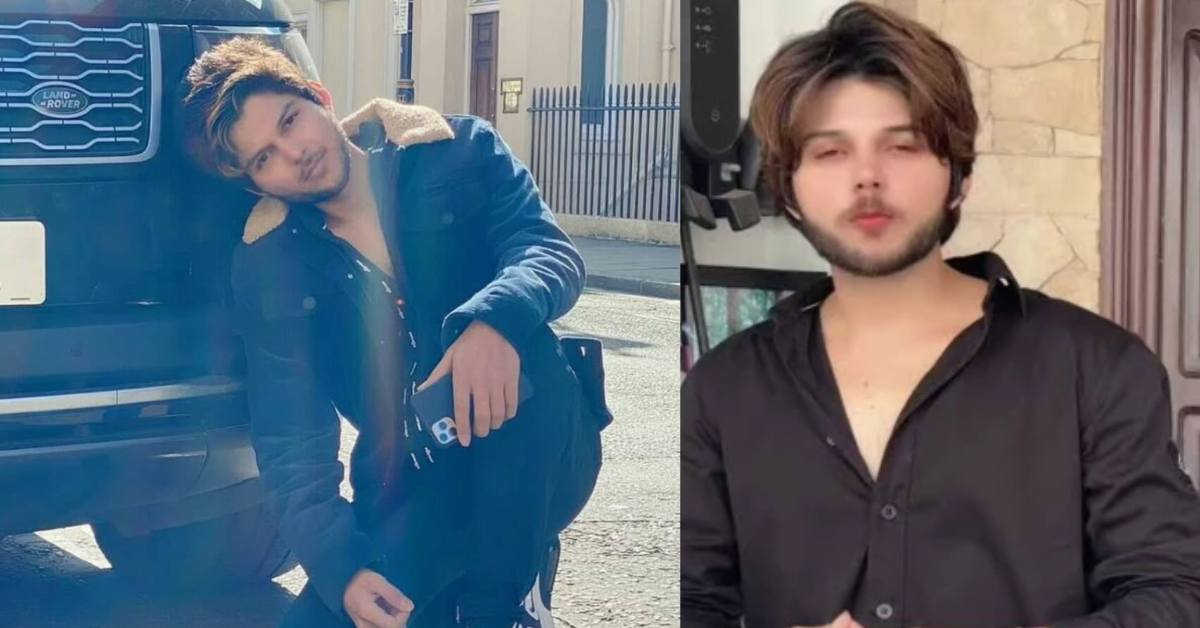
When you build an audience in the millions by being loud, entertaining, and unapologetically yourself on TikTok, the spotlight doesn’t switch off the moment things go wrong — it gets brighter. That’s exactly what’s happening with Nadeem Mubarak, widely known as Naniwala, whose arrest in Lahore has sent his fanbase into a frenzy of speculation, concern, and in some corners, dark humour.
Naniwala has carved out a distinctive space for himself in Pakistan’s social media landscape. With a name that translates loosely to someone associated with a grandmother, his content has resonated with everyday Pakistanis who enjoy relatable, street-level humour and personality-driven videos. That kind of organic connection with audiences is hard to manufacture, and it’s precisely why news of his arrest spread so quickly across Pakistani Twitter, Instagram, and WhatsApp groups.
According to reports, a case has been registered against him in Lahore, and he was remanded into custody with a court appearance at Cantt Kachhari expected to follow. The details of the charges have not been fully laid out publicly, but that hasn’t stopped the internet from filling in the blanks. When a popular face gets taken into custody, speculation tends to travel faster than facts — and Pakistan’s digital street is no different.
What’s fascinating from a cultural standpoint is how Pakistani audiences respond to these moments. There’s a particular duality in the way fans process a favourite creator’s legal troubles. On one hand, there’s genuine concern and loyalty. On the other, the hawalat — Pakistan’s term for a police lockup — has a certain grim mythology in desi storytelling, and questions about how someone as publicly visible as Naniwala spent those hours feel almost theatrical. Did he entertain fellow detainees? Did he stay quiet? Was he making mental notes for future content? The public wants to know, and honestly, that curiosity says a lot about how deeply these creators embed themselves in people’s daily lives.
This situation also raises broader questions about accountability in Pakistan’s influencer economy. TikTok has given rise to a new class of celebrity in the country — people who don’t need film studios, record labels, or TV networks to become household names. But that fast track to fame doesn’t come with the same professional infrastructure or media training that traditional celebrities receive. There’s no publicist managing the crisis, no studio releasing a carefully worded statement. It’s just the creator, their phone, and whatever the police report says.
For the South Asian diaspora watching from Australia, the UK, Canada, or the US, moments like this are a reminder that fame in Pakistan is a very different beast to what we see in Bollywood or mainstream Western entertainment. It’s rawer, more immediate, and far less insulated from real-world consequences. That’s part of the appeal, frankly — but it also means the falls are harder and more public.
Naniwala’s situation is still developing, and until more details emerge about the nature of the case, it would be unfair to draw conclusions. What we can say is that his arrest has once again put Pakistan’s TikTok culture under a microscope. The question isn’t just what he did or didn’t do — it’s what happens to the massive community he built online while he navigates whatever comes next. So we’ll ask you directly: do you think Pakistani social media platforms do enough to support their creators when things go off-script in real life?