Emraan Hashmi Is Back in the Dark With Rooh
FilmiTalk Take
Rooh is shaping up to be one of the more thoughtfully constructed horror announcements in recent Bollywood memory, and if the creative team delivers on its ambition, Emraan Hashmi's return to the genre could be genuinely significant. The musical-horror hybrid concept is a real creative risk, and that alone makes it worth watching closely.
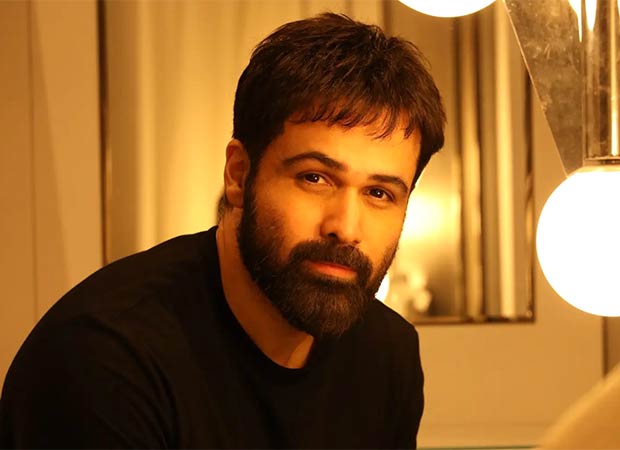
There are actors who dabble in horror, and then there is Emraan Hashmi, a man who practically has a reserved seat in the haunted house of Hindi cinema. After a five-year absence from the genre that helped define his career, Hashmi is returning with Rooh, a musical-horror film set for a 2027 theatrical release across Hindi, Tamil, and Telugu, and honestly, the announcement alone feels like a jump scare in the best possible way.
What makes Rooh particularly interesting is not just Hashmi’s return to familiar territory, but the creative team assembled around it. Director Mayank Sharma, who built a loyal following through the psychological depth of Amazon Prime Video’s Breathe franchise, is stepping into theatrical horror with serious intent. This is not a quickie genre cash-grab. The film is written by Sharma alongside Vishal Kapoor, whose credits include Lapachhapi and the Chhorii series, both of which demonstrated a genuine understanding of how to build dread through atmosphere and emotional stakes rather than cheap tricks. That pedigree matters.
The musical angle is where things get genuinely compelling. Emraan Hashmi’s filmography is as much a musical legacy as it is a cinematic one. Songs from his earlier films still occupy corners of South Asian memory in ways that pure blockbusters sometimes do not. From the diaspora in Australia to fans in the UK, there is a generation that associates certain melodies directly with his screen presence. Weaving that emotional musical thread into a horror framework is an ambitious gamble, but it is also the kind of creative swing that could result in something truly distinctive if executed well.
Horror as a genre has been having a genuine moment in Indian cinema, with audiences increasingly hungry for films that prioritise atmosphere and story over shock value. International hits have raised the bar for what theatrical horror can feel like, and Indian filmmakers are responding. Rooh appears to be positioning itself within that more elevated conversation, with reported international creative and technical collaborations suggesting the production is thinking beyond domestic box office returns. A multilingual release across three major languages from day one only reinforces that global ambition.
For South Asian audiences everywhere, there is also something deeply nostalgic about this announcement. Hashmi built a specific kind of loyalty over his career, one that combined brooding charisma, romantic intensity, and a willingness to commit fully to genre material. His absence from horror over the past five years has been noticeable, and the prospect of seeing him inhabit a world built around fear, longing, and music feels less like a comeback and more like a homecoming. The early glimpse of the film’s musical tone, described as carrying that signature blend of melody and emotional weight, suggests the creative team understands exactly what audiences want from a project like this.
Of course, 2027 is still a way off, and announcements in Bollywood do have a habit of shifting timelines. But the combination of a credible director, proven horror writers, a star whose connection to the genre feels genuine, and a concept bold enough to blend music and the supernatural into a theatrical experience makes Rooh one of the more exciting projects on the horizon. The foundation looks solid, and the ambition is clearly there.
So we’ll put the question to you, FilmiTalk readers: which Emraan Hashmi horror era are you most excited to see him revisit with Rooh, or do you think this film will define an entirely new chapter for him?