Elliot Anderson to Man City: What It Means for England’s Future
FilmiTalk Take
Anderson's move to City is more than a transfer headline — it quietly sets the stage for one of English football's most interesting World Cup 2026 squad debates before the tournament has even begun.
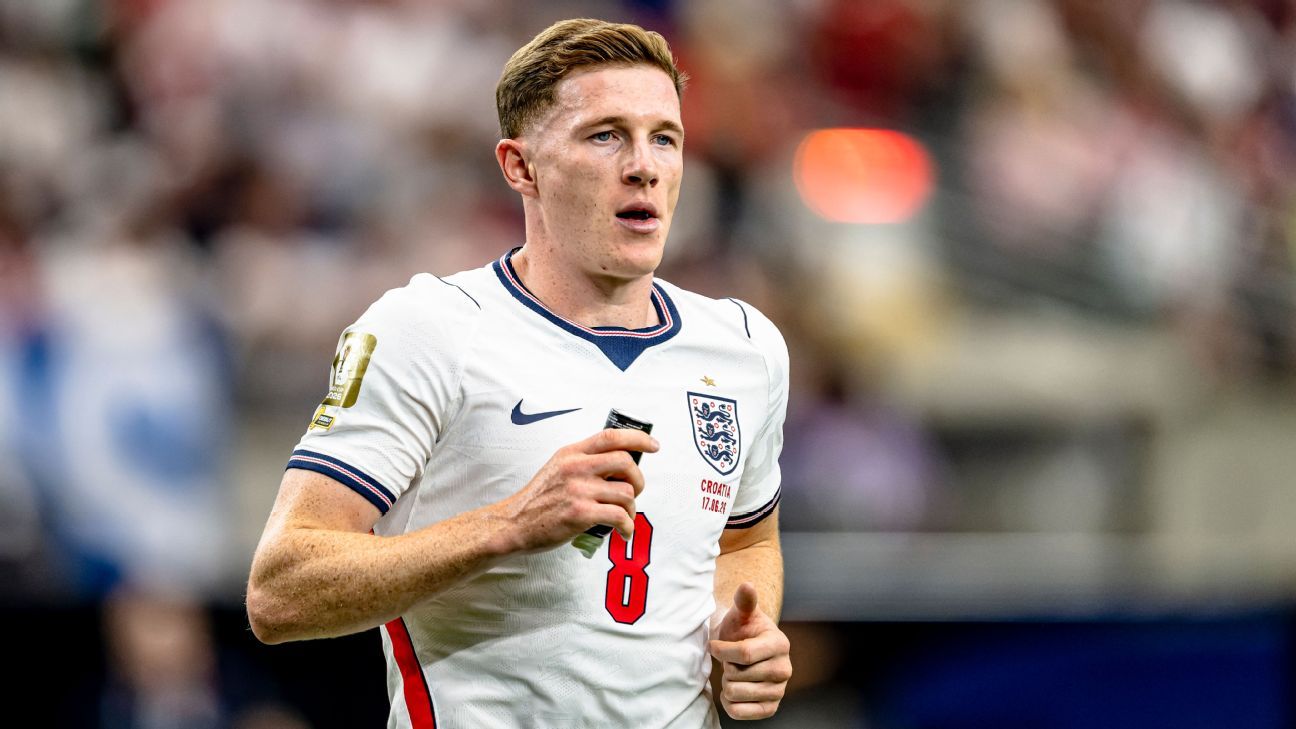
Sometimes a domestic transfer sends ripples far beyond the Premier League, and Elliot Anderson’s reported club-record move from Nottingham Forest to Manchester City is exactly that kind of moment. When a young English midfielder lands at one of the most tactically demanding clubs on the planet, the conversation quickly shifts from transfer fees to international ambitions — and with FIFA World Cup 2026 already casting its long shadow over every squad decision, timing is everything.
Anderson has been one of the more quietly impressive midfield talents in English football over the past couple of seasons. At Nottingham Forest, he was given room to breathe, to make mistakes, to grow. Manchester City is a different universe entirely — a machine of positional precision, relentless pressing and tactical intelligence that has chewed up and spat out players who were not ready for its demands. The fact that City have broken their own transfer record to bring him in says something significant about how highly Pep Guardiola’s recruitment team rate his ceiling.
For fans watching through a World Cup lens, the question is obvious: does this accelerate or complicate Anderson’s path to the England setup? Playing regularly at City is notoriously difficult. The competition for minutes in midfield is brutal. But when a player does earn those minutes at the Etihad, they tend to arrive at international level looking sharper, smarter and more complete. The World Cup in 2026 is still close enough that a breakout season in sky blue could absolutely put him in the conversation.
For South Asian football fans — whether you are watching from Birmingham, Brisbane, Karachi, Toronto or California — this is the kind of storyline that makes club football feel connected to the international tournament. The diaspora football community has always had a complex love affair with English football, and England’s midfield has been a topic of passionate debate in every WhatsApp group and tea-shop argument since the Euros. Who gets the nod, who gets left out, who is peaking at the right moment — these are the conversations that never stop.
There is also a broader cultural storyline here about what Manchester City represent in global football right now. They are not just a club; they are a reference point for how modern football is played at its highest level. When a young player chooses City, or when City chooses them, it signals an intention. It is a statement of ambition from both sides. And for a generation of fans who grew up watching City transform from nearly-men to serial champions, seeing them continue to invest in homegrown English talent feels genuinely meaningful.
Nottingham Forest, for their part, will feel the loss deeply. Anderson was not just a footballer for them — he was a symbol of their own ambition and identity in the top flight. Losing your best young players to the super-clubs is a story as old as football itself, and Forest fans will know that feeling all too well. The money may ease the pain, but the gap on the pitch is not so easily filled.
World Cup 2026 will be the biggest tournament in the competition’s history, with an expanded format and matches spread across the United States, Canada and Mexico. Every squad decision between now and then matters. So here is the question worth sitting with: if Elliot Anderson nails down a starting spot at Manchester City this season, does he walk into the England squad — and does he deserve to?