South Korea Coach Quits After World Cup Exit and Backlash
FilmiTalk Take
Hong Myung-Bo's resignation is a reminder that at World Cup level, football and national identity are inseparable — and when results disappoint, the fallout reaches far beyond the pitch.
When a national football coach walks out the day after a World Cup exit, you know the fallout has gone far beyond tactics and formations.
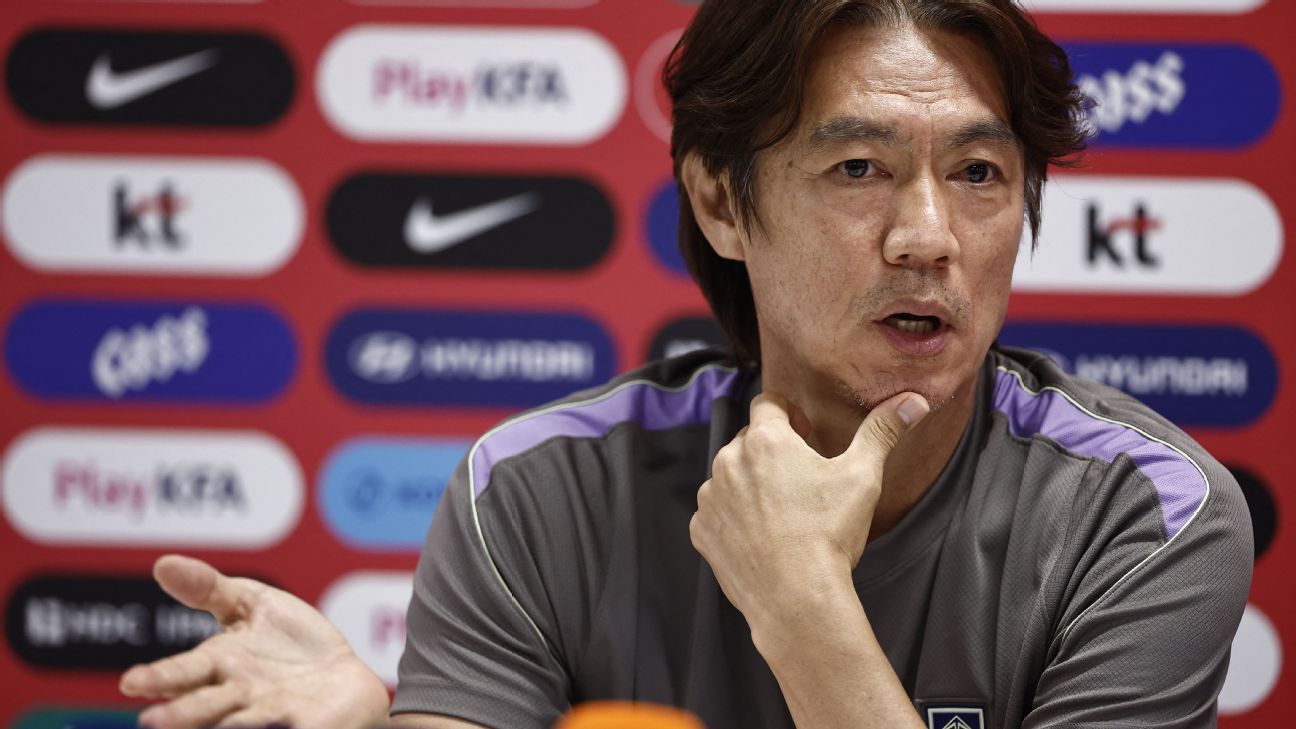
South Korea’s Hong Myung-Bo stepped down following the team’s early elimination from the 2026 FIFA World Cup cycle, with pressure coming from all directions — including, remarkably, from the country’s president. That is not the kind of post-tournament review most coaches have to survive. When the criticism reaches the highest office in the land, resignation stops being a choice and starts feeling like the only available path.
For Korean football fans, this stings on multiple levels. South Korea has a passionate, globally spread fanbase — from Seoul to Sydney, from Toronto to the UK’s Korean communities — and expectations around the World Cup are enormous. The memory of 2002, when South Korea co-hosted the tournament and reached the semi-finals, has never really faded. Every squad since carries the weight of that golden moment, and every early exit reopens the same wound. Fans on social media were vocal and unsparing, and when public emotion runs that hot, political figures tend to follow rather than lead the conversation.
Hong Myung-Bo is not just any coach resigning under pressure. As a player, he was a legend — a World Cup bronze medallist and one of the most respected defenders in Asian football history. That makes his departure as head coach feel particularly bittersweet. There is a kind of cruel irony in watching someone who gave so much to Korean football at the highest level exit under a cloud of national disappointment. His coaching tenure will now be defined by this ending, at least in the short term, which does a disservice to the complexity of building a competitive international squad.
The South Korean diaspora watching from abroad tends to be deeply emotionally invested in the national team in a way that goes beyond sport. For many second and third-generation Korean fans in Australia, Canada and the United States, the Taeguk Warriors represent a direct cultural connection to a homeland they may have never lived in. A World Cup exit is not just a result — it is a conversation at family dinners, a topic in group chats, a collective exhale of frustration. The resignation of the coach adds a layer of drama to that already-loaded emotional moment.
What happens next for South Korea football is genuinely interesting. The federation will now face the challenge of finding a new direction before the next qualification cycle begins in earnest. Do they look inward, promoting from domestic football? Do they pursue a high-profile foreign coach? The decisions made in the coming months will shape whether South Korea arrives at FIFA World Cup 2026 as a genuine threat or as a team still searching for its identity.
The broader tournament lesson here is one that many nations have faced — World Cup exits have political and social consequences that extend well beyond the dressing room. Football at this level is never just football.
So here is the question for FilmiTalk readers: should national coaches ever resign under political pressure, or does a team’s World Cup fate belong purely in the hands of football people?