From Florida Winger to World Cup Phenomenon: Dio’s Rise
FilmiTalk Take
Diomande's rise from American academy prospect to World Cup talking point is a sign of how the sport's talent map keeps redrawing itself. For a tournament hosted on North American soil, his story could not have arrived at a better moment.
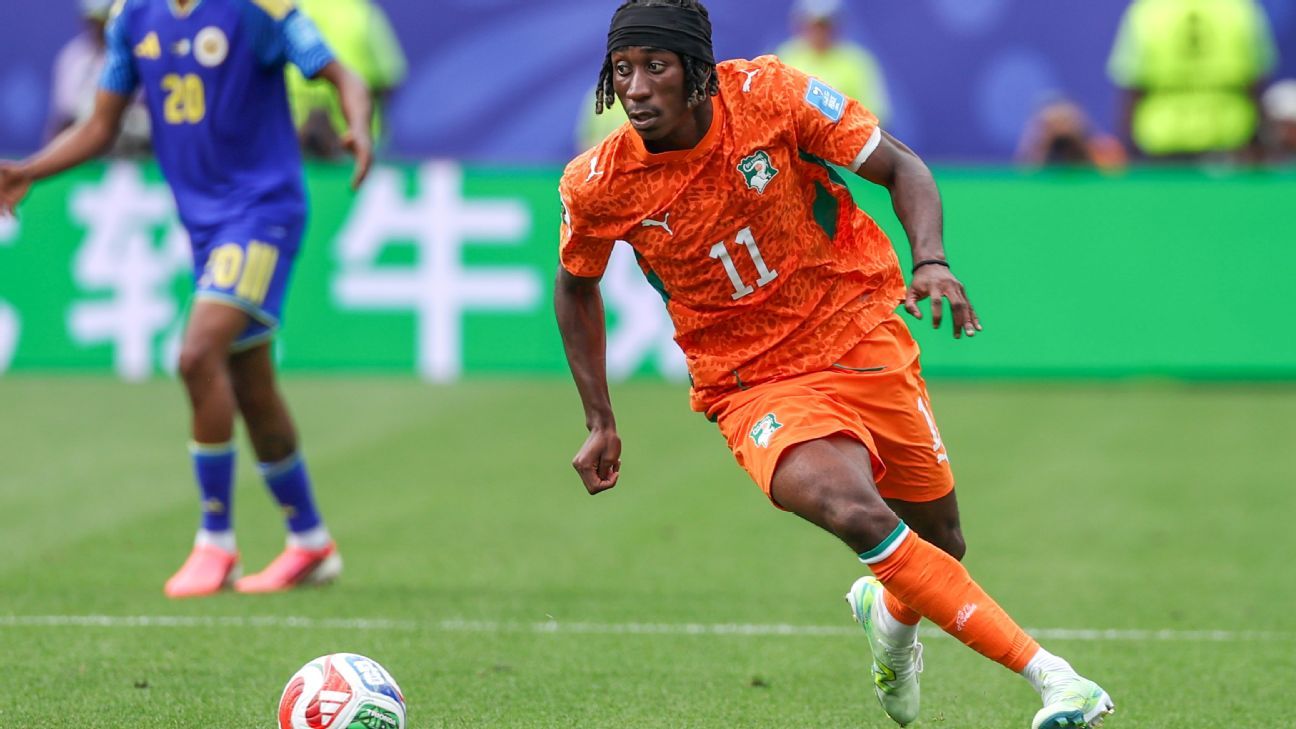
Some players arrive at the World Cup already wrapped in legend. Others arrive as the story itself — and right now, Yan Diomande is very much the story.
Before the transfer rumours, before the scouting reports landing on desks across Europe, there was just a teenage winger in Florida known to his academy teammates as ‘Dio.’ That detail alone tells you everything about how football reinvents lives. One moment you are running drills in the American heat, the next you are a name being whispered by clubs with Champions League ambitions. The journey from promising youth prospect to genuine World Cup player is never a straight line, but Diomande’s path through the American academy system makes it one of the more compelling origin stories heading into this tournament.
The United States has quietly become one of the more underrated development environments in global football. Over the past decade, the infrastructure has matured — better coaching, more competitive pathways, and an increasing number of players using American academies as launchpads rather than dead ends. Diomande’s story is a product of that shift. He is not the first player to emerge from Florida’s football culture with serious potential, but if the European interest is as fierce as reported, he could become one of its most high-profile exports.
For South Asian football fans — whether watching from Sydney, Birmingham, Toronto or Lahore — there is something universally magnetic about this kind of underdog narrative. The kid who was not supposed to be here, now absolutely here. Diaspora communities across the world have always connected deeply with players who had to fight for their recognition, who came from outside the traditional football heartlands and still made the biggest stage. Diomande’s Ivory Coast heritage, his American upbringing, and his European future make him one of the most genuinely global players in this tournament’s ecosystem.
What makes this matter beyond just one player’s career trajectory is what it signals about World Cup 2026 itself. This is a tournament being hosted across the United States, Canada and Mexico — a genuinely continental event — and stories like Diomande’s are exactly the kind of football folklore that a new generation of North American fans will hold onto. The idea that somewhere in an academy not far from them, another ‘Dio’ might be developing right now? That is powerful for the sport’s future in the region.
Europe’s biggest clubs circling a teenager who refined his game on American soil also challenges the old hierarchy of where football talent is supposed to come from. It is a reminder that the map of world football keeps expanding, and the World Cup stage is where these new chapters get written in front of the largest possible audience.
Diomande is young, the tournament is young, and the summer ahead promises to be anything but predictable. Whether he becomes a breakout name that casual fans will Google for the first time, or whether he arrives already carrying enormous expectation, his journey from Florida academy kid to potential European superstar is the kind of story that makes the World Cup more than just a football competition — it makes it a cultural moment.
So here is the question for FilmiTalk readers: which young, relatively unknown player do you think will be the true breakout star of World Cup 2026 — and did you see them coming?