Vijaya Mehta: The Theatre Giant India Will Never Forget
FilmiTalk Take
Vijaya Mehta's passing marks the end of an era that fundamentally shaped Indian theatre — her legacy deserves far wider recognition, especially among younger South Asian audiences who have benefited from the foundations she built.
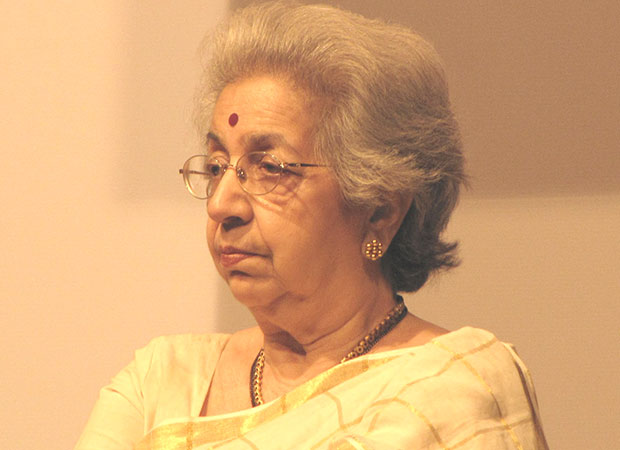
Some artists leave behind a filmography. Vijaya Mehta left behind an entire movement. The passing of this extraordinary theatre visionary at the age of 91 is not just a personal loss for her family — it is a cultural moment that asks all of us to pause and genuinely reckon with how much of modern Indian performing arts was built on her shoulders.
For younger audiences who grew up on streaming platforms and multiplexes, the name Vijaya Mehta may not carry immediate recognition. But here is the truth: the storytelling sensibilities that inform so much of what you see in Indian cinema and contemporary theatre today trace back, in meaningful ways, to the kind of bold, disciplined, experimental work that Mehta championed for decades. She was not just a performer or a director — she was an institution-builder at a time when Indian theatre desperately needed one.
What makes her story particularly compelling is where it began. A college production of Othello in 1953, a young woman playing Desdemona, and a legendary director in the audience who recognised something rare. That moment launched a career that would eventually touch the National School of Drama, the Film and Television Institute of India, and the National Centre for the Performing Arts. Very few individuals in any creative field manage to shape both the art and its institutional infrastructure. Mehta did both, and did them well.
Her co-founding of Rangayan in the 1960s alongside Vijay Tendulkar and Arvind Deshpande was genuinely revolutionary for Marathi theatre. Bringing Ionesco to Marathi-speaking audiences in 1962, staging Brecht with a German director, and taking Indian productions to Berlin — this was not the work of someone content to stay within comfortable boundaries. For South Asian audiences in the diaspora who often grapple with questions about where Indian theatre sits on the global stage, Mehta’s career is a powerful reminder that the answer has always been: right at the centre, when the right people led it there.
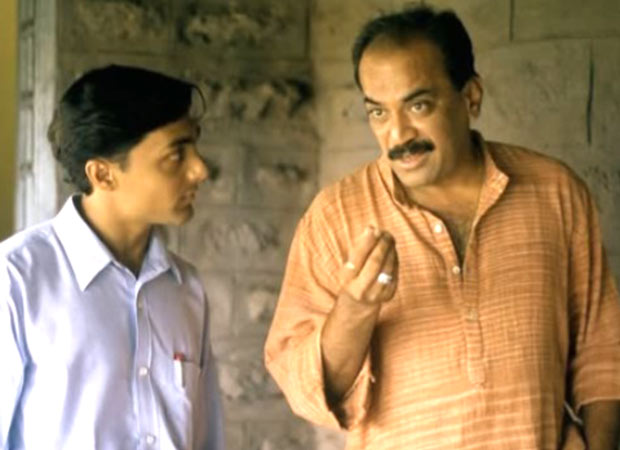
Her film work, including the quietly devastating Pestonjee, showed that her artistic sensibility translated beautifully to the screen. The film’s exploration of friendship and loyalty resonated with audiences in a way that purely commercial cinema rarely achieves. That she could move between stage and screen with such ease speaks to the depth of her craft.
The grief being expressed across India’s theatre community right now is real and it is deep. Directors, playwrights, actors who trained under or were influenced by Mehta are sharing memories of a woman who demanded excellence not through harshness but through an unwavering commitment to the work itself. That kind of mentor is increasingly rare, and her absence will be felt in rehearsal rooms and drama schools for years to come.
Vijaya Mehta’s legacy is a reminder that the performing arts need both dreamers and builders — people who can imagine a bolder future for theatre and then do the hard, unglamorous work of creating the structures that make that future possible. As Indian theatre continues to evolve and as new generations of South Asian artists find their voices, the question worth asking is this: who in today’s performing arts world is carrying forward the spirit of fearless experimentation and institutional commitment that Vijaya Mehta embodied so completely?