Kala Hiran vs Salman Khan: A Legal Battle Getting Messy
FilmiTalk Take
This case is testing the limits of personality rights law in India, and regardless of the legal outcome, the very public nature of this dispute has already given Kala Hiran far more visibility than it likely would have earned on its own.
There is something almost cinematic about a Bollywood legal battle playing out in real time on social media, and the ongoing clash between Salman Khan and Kala Hiran producer Amit Jani is proving to be exactly that kind of spectacle.
The Delhi High Court adjourned the hearing on Salman Khan’s interim injunction plea until July 6, and crucially, no ban was placed on the film in the meantime. For producer Amit Jani, that was all the ammunition he needed. He took to X within hours of the proceedings, firing off a statement that pulled no punches, invoking the blackbuck poaching case, dismissing Salman’s Bollywood stature as irrelevant to the court, and boldly claiming the film will release across 8,000 cinema halls worldwide. It was a statement designed to provoke, and it absolutely succeeded.
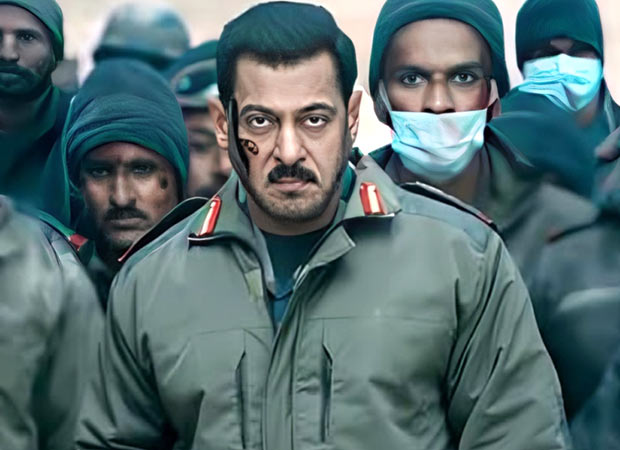
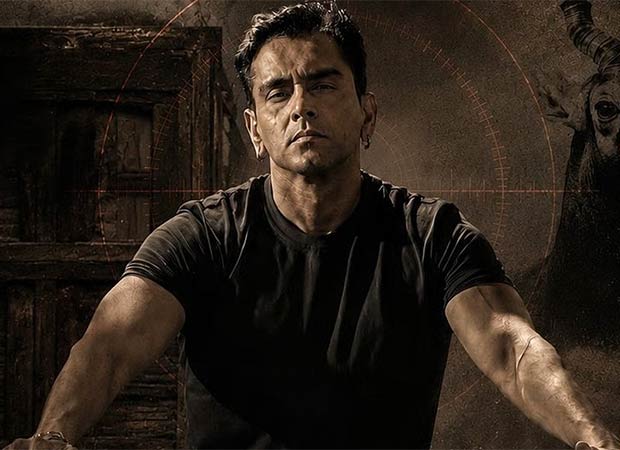
Salman Khan’s legal team has argued that Kala Hiran: The Battle for Legacy infringes on his personality rights, pointing to promotional material that allegedly features a lookalike wearing his iconic blue bracelet, references to the 1998 blackbuck poaching controversy, and the widely reported tensions involving gangster Lawrence Bishnoi. These are not minor grievances. Personality rights are a growing and genuinely complex area of Indian law, and Salman’s case raises legitimate questions about how far a filmmaker can go when drawing from a real person’s public identity and private controversies.
On the other side, the producers have told the court that the film has not even been submitted to the CBFC yet, and they have assured the court they will not approach the censor board before the next hearing date. This effectively means there is no immediate release threat, which may explain why the court felt no urgency to issue an interim order. From a legal standpoint, the case is still very much alive and unresolved.
What makes this story resonate beyond the courtroom is the cultural weight it carries. Salman Khan is not just a film star in South Asia. He is an institution, a brand, and for millions of fans across India, Pakistan, and the diaspora, an almost mythological figure. The idea that a relatively unknown producer is publicly taunting him, describing him as someone who merely calls himself the “father of Bollywood,” and invoking his most controversial legal history is genuinely shocking to many. But it also reflects a shifting landscape in Indian entertainment, where the traditional hierarchy of star power does not automatically translate into legal or commercial protection.
Amit Jani’s aggressive public posture could be a calculated publicity strategy as much as a genuine legal confidence. The film was barely on most people’s radar before this dispute began. Now it has national and international attention. Whether that attention translates into actual audience interest when and if the film does release remains to be seen. The next hearing on July 6 will be critical, and if Salman’s team presents stronger grounds for an injunction, the tone of this conversation could shift very quickly.
For now, the drama is very much ongoing. So here is the question worth asking: do you think personality rights laws in India are strong enough to protect public figures from this kind of filmmaking, or does the public domain nature of someone’s controversies make them fair game for storytelling?