Preity Zinta Takes Deepfake Battle to Bombay High Court
FilmiTalk Take
Preity Zinta's legal action is one of the most significant celebrity-led challenges to AI deepfake misuse in Indian entertainment, and the outcome could shape digital rights protections for public figures across South Asia for years to come.
Preity Zinta has never been the kind of star who sits quietly when something feels wrong, and her decision to take AI deepfake creators to the Bombay High Court is exactly the kind of bold move her fans have come to expect from her.
The actress has filed a civil suit seeking the removal of AI-generated deepfake videos, morphed images, and chatbot-style content that uses her likeness without her knowledge or consent. She is also pushing for a future injunction, meaning she does not just want the existing material scrubbed from the internet but wants the door legally shut on anyone trying to create similar content going forward. That second part is arguably the more significant ask, because takedown requests for individual pieces of content are a bit like playing whack-a-mole with the internet.
The Bombay High Court, specifically Justice Madhav Jamdar, heard preliminary submissions and took a measured but practical approach by directing all parties, including the online platforms involved, to work out a coordinated takedown mechanism before the next hearing on July 6. No sweeping interim order was passed, which is fairly standard at this early stage, but the court’s willingness to engage seriously with the issue sends a clear signal that the judiciary is paying attention to how AI is being weaponised against public figures.
For South Asian audiences, particularly those in diaspora communities across Australia, the UK, the US, and Canada, this case touches on something deeply familiar. Celebrities from the subcontinent have long dealt with unauthorised use of their images in advertisements, memes, and fan edits. But deepfakes are a different beast entirely. The technology can fabricate entirely convincing videos of someone saying or doing things they never did, and that creates real risks around reputation, safety, and mental wellbeing. Preity Zinta is not the first Indian celebrity to encounter this problem, and she certainly will not be the last, but she is among the first to pursue it this aggressively through the courts.
There is also a broader conversation here about platform responsibility. Social media companies and video hosting sites have faced criticism for being slow to act on deepfake content unless legally compelled to do so. The fact that the Bombay High Court is pushing these platforms to come to the table and work on a removal mechanism rather than simply waiting to be sued is a meaningful step. It treats tech platforms as active participants in the problem rather than passive hosts.
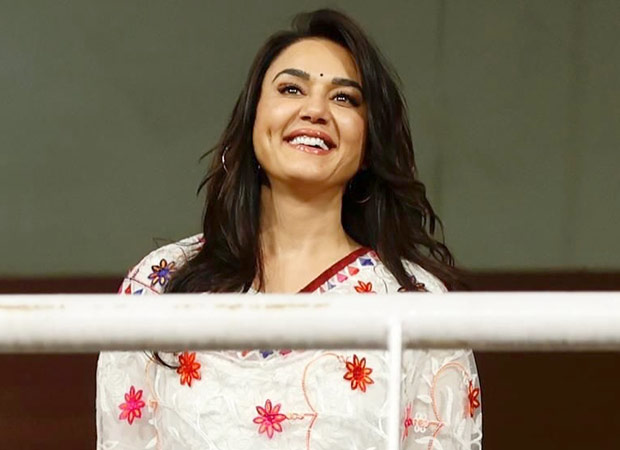
Preity Zinta spent years as one of Bollywood’s most beloved leading ladies, known for her infectious dimpled smile and roles in films like Kal Ho Naa Ho and Veer-Zaara. The idea that her image could be twisted and circulated in harmful or misleading AI-generated content without her consent is not just a personal violation, it is a reminder that no level of fame comes with a safety net against digital exploitation.
With the next court date set for July 6, the entertainment industry will be watching closely. If Preity Zinta wins meaningful legal protections, it could set a precedent that other actors, musicians, and public figures can point to when facing the same nightmare. The question now is whether the platforms involved will cooperate genuinely or drag their feet, and whether Indian courts have the tools to enforce what they decide. So we ask you, FilmiTalk readers: do you think Indian law is ready to truly protect celebrities, and everyday people, from AI deepfake abuse?