Celina Jaitly’s Comeback Is More Than Just a Film
FilmiTalk Take
Celina Jaitly's return is not just a career moment — it is a genuine artistic statement, and the subject matter alone makes this biopic one of the more intriguing Hindi film announcements in recent memory.
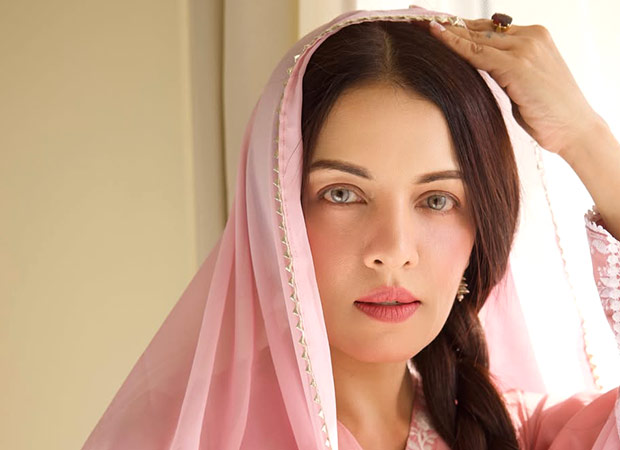
There are comebacks, and then there are returns that feel like they were always meant to happen. Celina Jaitly stepping back onto the big screen after fifteen years, not for a commercial masala entertainer but for a biopic on one of India’s most revered spiritual figures, is the kind of story that stops you mid-scroll.
For those who remember Celina from her Bollywood peak in the early 2000s — the glossy magazine covers, the item numbers, the Miss Universe runner-up glow — this pivot might seem surprising. But anyone paying attention to her life over the past decade and a half will understand why Sister Nivedita makes complete sense. Celina has been living in Europe, raising a family, navigating personal hardships she has spoken about with unusual candour. She is not the same person who left, and she is not pretending to be. That kind of lived experience is exactly what a role like this demands.
Sister Nivedita herself is a fascinating figure who deserves far more mainstream recognition than she currently gets. Born Margaret Noble in Ireland, she crossed continents and cultures to become one of Swami Vivekananda’s most devoted disciples, dedicating her life to education, women’s empowerment, and social reform in India at a time when that required extraordinary courage. The fact that she was not Indian by birth but chose India entirely by conviction makes her story universally compelling — and for South Asian diaspora audiences in Australia, the UK, Canada, and beyond, there is something quietly resonant about a woman who adopted a country and a mission so completely.
Celina’s personal connection to Sister Nivedita adds a layer that cannot be scripted. Growing up as an army kid and visiting Roy Villa in Darjeeling as a child, without any idea that she would one day portray the woman who spent her final days there — that is the kind of full-circle detail that filmmakers dream of putting in a press kit, except in this case it happens to be real. Director Ram Kamal Mukherjee has built a reputation for intimate, emotionally sincere storytelling, and pairing him with an actress who is approaching this role as a spiritual reckoning rather than a career move does suggest something genuinely different is in the works.
What also stands out is Celina’s framing of her own return. She is not talking about box office targets or brand rebuilding. She is talking about Maa Kali, about being broken and made whole, about rediscovering herself after years abroad. Whether or not that resonates with you spiritually, it speaks to a performer who has processed something real and is bringing it to the screen. That kind of emotional honesty is rare in an industry where comeback narratives are usually dressed up in far more careful PR language.
Of course, a release date is still pending, and biopics on spiritual and historical figures can be notoriously difficult to land commercially. Indian audiences have a complicated relationship with sacred subjects on screen — reverence and scrutiny often arrive simultaneously. But if Celina and the team can channel the sincerity she is already projecting into the final film, this could be one of those quiet surprises that travels well beyond multiplex expectations.
For now, the announcement alone has sparked genuine interest across social media, with fans who grew up watching Celina in the 2000s expressing real curiosity about this new chapter. So here is the question worth asking: do you think Bollywood gives enough space to biopics about women like Sister Nivedita, or do stories like hers still get sidelined in favour of more commercially familiar subjects?