Rajpal Yadav’s Legal Woes Deepen in Cheque Bounce Scandal
FilmiTalk Take
This case is a stark reminder that Bollywood's informal loan culture carries real legal consequences, and when big productions fail, the financial fallout can haunt everyone involved for years.
When your name starts appearing in legal filings alongside cheque bounce cases, court summons, and borrowed money that never found its way back, something has gone seriously wrong behind the glamour of Bollywood. Rajpal Yadav, the beloved comic actor who has spent decades making Indian audiences laugh, is now starring in a story nobody wants a role in — a financial and legal drama that shows no signs of a happy ending.
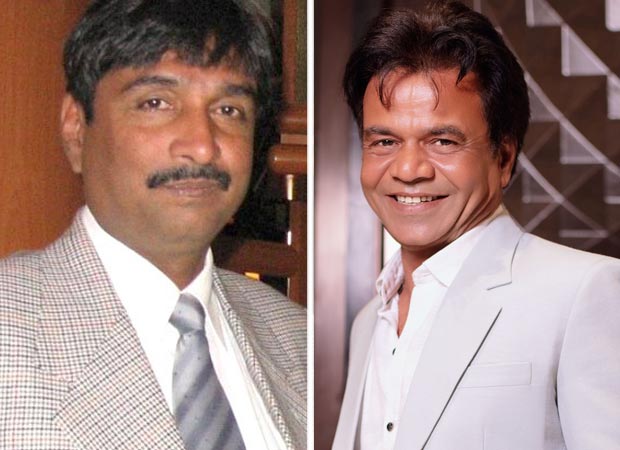
Earlier this year, Rajpal Yadav made headlines for spending time in custody over multiple cheque bounce matters. Many in the industry assumed that chapter was behind him. It clearly is not. Former film producer and ex-manager to global icon Priyanka Chopra, Prakash Jaju, has now filed a case against the actor under Section 138 of the Negotiable Instruments Act — the same legal provision that sends a chill down anyone’s spine who has ever dealt with a dishonoured cheque in India. The actor is reportedly summoned to appear before a court in Madhya Pradesh in September 2026. A Rs. 25 lakh outstanding amount does not simply disappear, and courts are not in the business of forgetting.
What makes this story more layered is that Jaju’s legal action is not limited to Rajpal Yadav. Bhaiaji Superhit producer Mahendra Dhariwal reportedly owes Rs. 50 lakhs, and Dhaakad producer Sohel Maklai is alleged to owe Rs. 40 lakhs. Dhaakad, for those who remember, was already one of Bollywood’s most talked-about box office disasters — Kangana Ranaut’s big action vehicle that barely made a ripple at the ticket counter. It now appears the financial turbulence around that film extended well beyond its theatrical run.
The Sohel Maklai situation deserves a closer look because it involves multiple creditors. A distributor has come forward claiming he too is owed money from the Dhaakad producer, and apparently so are a director and an executive producer connected to other films. The detail about family members making emotional phone calls to ask for patience — while promising property sales would free up funds — paints a picture that will feel painfully familiar to anyone who has navigated informal lending in the South Asian business world. Emotional appeals and broken timelines are a story as old as the industry itself.
For South Asian audiences in the diaspora, particularly in Australia, the UK, and North America, this kind of story matters because it pulls back the curtain on how informal financial networks operate within Bollywood’s production ecosystem. Films get made through a web of personal loans, trust, handshakes, and post-dated cheques. When a project fails commercially, that web tends to unravel very publicly. Dhaakad’s failure was always going to have consequences beyond poor reviews — it seems those consequences are still being counted.
Prakash Jaju’s Priyanka Chopra connection adds an interesting layer of name recognition to what might otherwise be an industry-insider story. Jaju clearly has deep roots in the business and is not someone who will quietly absorb a financial loss. The fact that he has spoken on record, confirmed the amounts, and named the parties tells you he has exhausted patience and is now operating entirely through legal channels.
Rajpal Yadav has always had enormous goodwill from audiences — his comic timing is genuinely legendary. But goodwill does not settle debts, and courts are indifferent to a performer’s filmography. Will this latest chapter push Bollywood’s informal lending culture toward more structured, transparent financial arrangements, or will history simply repeat itself with the next big production?