English, August Returns to Venice 31 Years On in Stunning 4K
FilmiTalk Take
The Venice premiere of a restored English, August is a victory not just for one film but for the urgent, underfunded cause of Indian cinema preservation — and FilmiTalk hopes it inspires a much wider conversation about the classics we're at risk of losing forever.
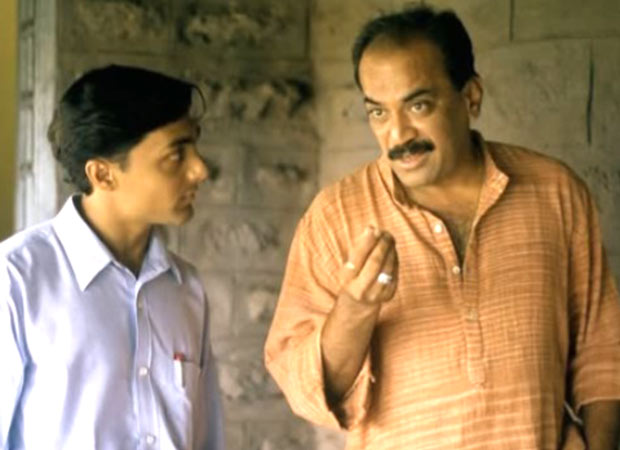
Some films don’t just age well — they become more relevant with every passing decade, and English, August is precisely that kind of film. Thirty-one years after it quietly announced itself as one of Indian cinema’s most daringly original voices, Dev Benegal’s debut feature is heading to the Venice International Film Festival in a brand new 4K restored avatar, and honestly, it couldn’t feel more deserved.
For younger audiences who may not have encountered it, English, August is unlike almost anything Bollywood has produced before or since. Based on Upamanyu Chatterjee’s beloved 1988 novel, the film follows Agastya Sen — a witty, disenchanted young man from an anglicised urban background who gets posted to a dusty small-town government job and proceeds to fall apart in the most relatable, darkly comic way imaginable. It’s a film about identity, alienation, and the absurdity of post-colonial India, wrapped in the kind of dry humour that doesn’t announce itself with a laugh track. For a certain generation of Indian readers and viewers, Agastya Sen was nothing short of a mirror.
What makes this Venice moment particularly significant is the story behind the restoration itself. The Film Heritage Foundation, led by the dedicated Shivendra Singh Dungarpur, had no original camera or sound negatives to work with. The team had to piece the film together from two surviving 35mm release prints — one from the National Film Archive of India and another from their own collection. The fact that the digital audio tapes were preserved by director Dev Benegal himself feels almost poetic, as if the film had been quietly waiting for this moment. This is painstaking, unglamorous work that rarely gets the spotlight it deserves, and FHF’s third consecutive Venice world premiere of a restoration is a remarkable achievement for Indian film preservation.
Rahul Bose, who played Agastya Sen with a kind of effortless, understated brilliance, called the news “incredible” and spoke of the surreal emotion of returning to Venice decades after the film’s TIFF debut. That kind of generational full-circle moment is rare in any industry, and for South Asian audiences in the diaspora — many of whom discovered this film through pirated VCDs or grainy YouTube uploads — the idea of watching it in 4K on one of the world’s most prestigious screens feels genuinely thrilling. Producer Anuradha Parikh’s candid admission that everyone told her it was a “disastrous choice” for a debut film adds a lovely layer of vindication to the whole story.
There’s also a broader conversation here worth having. Indian cinema’s relationship with its own archive has historically been troubled — films rotting in warehouses, negatives lost to floods and neglect, entire eras of storytelling simply dissolving. The work Film Heritage Foundation is doing isn’t just preservation; it’s an act of cultural rescue. Bringing English, August to Venice isn’t nostalgia for its own sake. It’s an argument for why these films matter, why they should be seen by new audiences, and why the stories they tell — about identity, belonging, and what it means to be modern and Indian simultaneously — are as urgent in 2026 as they were in 1994.
For South Asian audiences scattered across Australia, the UK, Canada, and beyond, a film about feeling out of place in your own country carries a particular resonance. Agastya Sen’s alienation isn’t so different from the in-between feeling many diaspora viewers know intimately.
So here’s the question worth sitting with — are there other forgotten gems of Indian cinema that deserve this kind of restoration and global spotlight, and which film would you want to see rescued next?