Brazil Survive Japan Scare at World Cup 2026
FilmiTalk Take
Brazil surviving a genuine scare against Japan is a reminder that World Cup 2026 will not respect reputations — and for fans banking on a sixth star, the nerves are already starting early.
Nobody comes to a Brazil match expecting a heart attack — and yet here we are.
Brazil, five-time world champions and perennial tournament favourites, were pushed to the absolute edge by Japan in what could have been one of the most seismic upsets in World Cup history. That it did not end that way is, by Casemiro’s own admission, largely down to the squad keeping their nerve when the pressure was at its most suffocating. But the fact that it nearly happened at all has sent shockwaves through the global football community — and lit up South Asian fan groups from Mumbai to Manchester.
Japan have been quietly building one of Asia’s most technically refined football cultures for over two decades now. Their players are scattered across Europe’s top leagues, their pressing is sharp, their tactical discipline is world-class. This was not a minnow flapping against a shark. This was a genuine contest, and for long stretches it seems Japan had Brazil rattled in ways that more fancied opponents sometimes fail to manage. For fans across Asia — including millions in India, Pakistan and Bangladesh who have watched Japanese football grow from humble regional ambition to genuine global threat — this performance will carry enormous pride regardless of the final result.
For the Brazilian diaspora, particularly the large communities in the UK, USA, Canada and Australia, these are the matches that age you. The samba football romance — the flair, the joy, the almost arrogant confidence — has always been central to Brazil’s identity at a World Cup. When that identity is threatened, even temporarily, it does something to the soul of every fan who grew up with a yellow shirt on their wall. Social media after this match would have been an extraordinary place, a collision of relief, disbelief and the very specific anxiety of loving a team that sometimes makes supporting them feel like a competitive sport in itself.
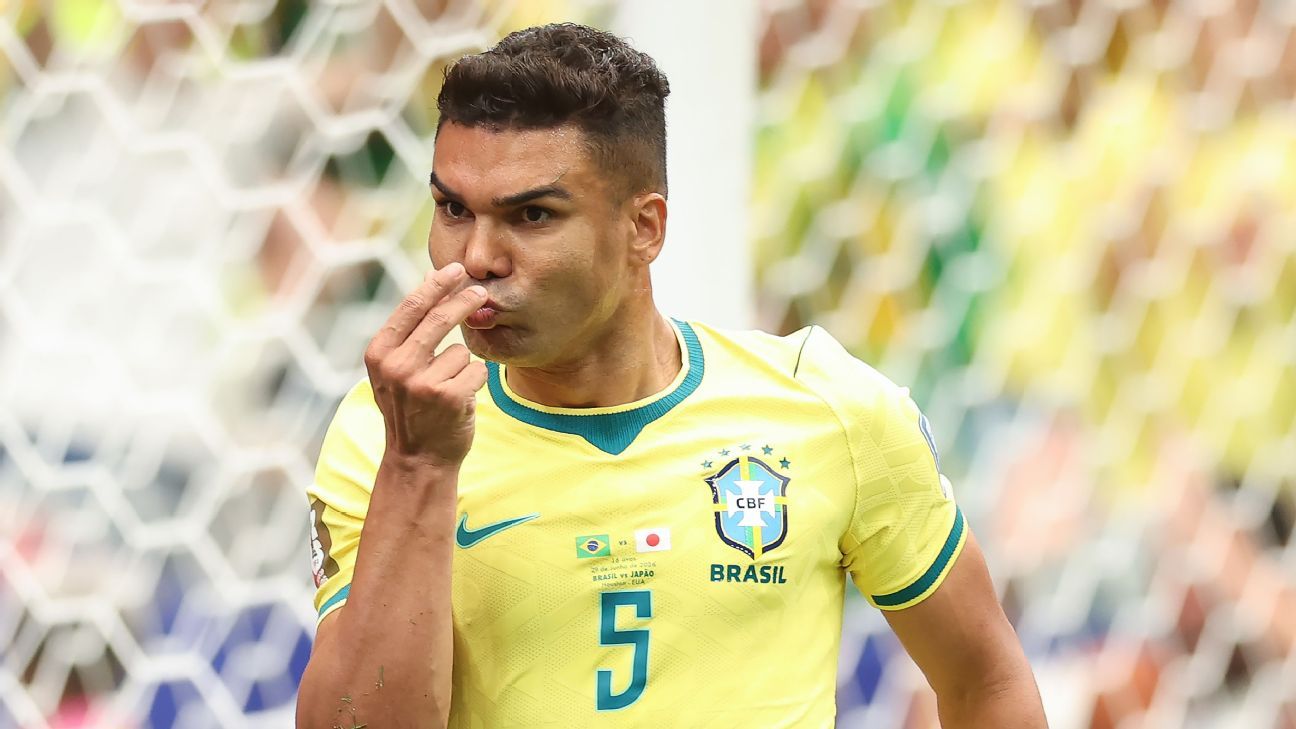
Casemiro’s comments about staying calm are interesting because they reveal something important: Brazil knew they were in a real fight. That self-awareness, that acknowledgment that Japan were capable of making history, is actually a mark of a mature squad. The veteran midfielder has seen enough football to know that World Cup shocks do not announce themselves — they creep up quietly, and then suddenly they are everywhere. The fact that Brazil weathered the storm says something about character, even if the performance itself may have left plenty to debate.
The bigger tournament picture matters here too. Any side carrying genuine title ambitions into a World Cup cannot afford these kinds of wobbles to become a pattern. One scare can be filed under match experience and pressure management. A recurring theme of near-disasters becomes a vulnerability that knockout rounds will eventually punish without mercy. Brazil’s quality is not in question. Their consistency across a full tournament, though, will be scrutinised closely after this.
For neutral fans, particularly those across South Asia who love the spectacle of the beautiful game without tribal loyalty to either side, this match was precisely why the World Cup matters. It is unpredictable, it is electric, and it reminds you every four years that no badge, no history and no reputation is ever truly safe once the whistle blows.
So here is the question for FilmiTalk readers: do you think Brazil have the consistency to go all the way this tournament, or did Japan just expose a vulnerability that the bigger sides will look to exploit?