Japan vs Brazil: Can the Samurai Blue Rewrite History?
FilmiTalk Take
Japan entering a Brazil knockout tie without Kubo and still speaking the language of history-making tells you everything about how far Asian football's self-belief has travelled — this match is bigger than a scoreline.
Some matches arrive with the weight of history already pressing down on them before a single boot touches the turf, and Japan versus Brazil at FIFA World Cup 2026 is exactly that kind of game.
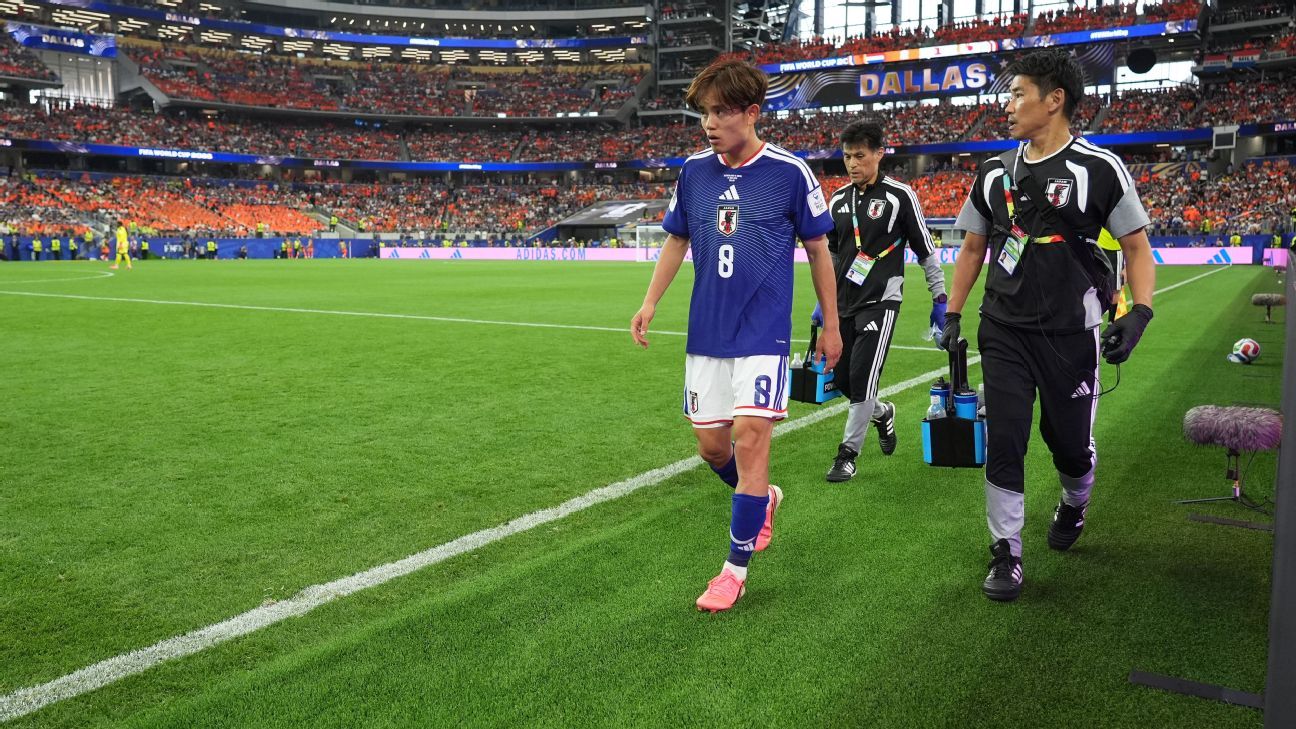
For the third consecutive match, Japan will take to the field without Takefusa Kubo — the creative engine who many consider the most technically gifted player in the Samurai Blue squad. Kubo’s absence would sting any team, but facing a footballing superpower like Brazil without your most dangerous creative force feels like climbing Everest without oxygen. And yet, Japan’s camp is not talking about damage control. They are talking about changing history.
That phrase — “change history” — carries enormous weight when you consider what Japan have been quietly building over the past decade. The 2022 Qatar World Cup was a cultural earthquake for Japanese football, with stunning group stage victories over Germany and Spain announcing to the world that this was no longer a nation simply happy to participate. But the round of 16 proved a brutal ceiling, eliminated on penalties. Now in 2026, with the expanded 48-team format giving more nations a path through, Japan have arrived at the round of 32 with ambitions that go far beyond a respectable exit.
For the South Asian football community — from the streets of Lahore to the living rooms of Melbourne, from East London to Toronto — Japan has long carried a kind of underdog admiration. They are the Asian nation that dared to dream differently, investing in youth development, sending players to Europe’s top leagues and building a football culture that rivals the continent’s best. When Japan beats a European giant, it feels like a win for every nation still waiting for the global game to take them seriously. A win over Brazil would be something else entirely. Brazil are not just a football team — they are a symbol, a mythology, five World Cup titles and a style of play that the world has romanticised for generations.
Without Kubo pulling strings in the attacking third, Japan will need collective brilliance rather than individual magic. Their pressing intensity and tactical discipline under their coaching setup have been well documented, and there is a real argument that this squad’s strength lies in its system rather than any single star. Kubo’s absence, painful as it is, may actually force Japan into the kind of organised, united performance that giant-killing teams throughout World Cup history have relied upon.
The Japanese football diaspora across Australia, the UK, North America and beyond will be watching this match with the kind of nervous energy that only a genuine belief in something extraordinary can produce. Social media is already buzzing with supporters calling this generation’s defining moment — a chance to finally knock on the door of world football’s elite and have someone answer.
Japan believe they can change history on Monday. The question for every football fan watching is simple: do you?
Could Japan’s collective spirit be enough to overcome Brazil’s individual brilliance — and what would a Samurai Blue victory mean for Asian football on the world stage?