Nadeem Naniwala’s TikTok Video Changes the Conversation
FilmiTalk Take
The Nadeem Naniwala situation is a timely reminder that viral outrage moves faster than verified truth, and TikTok's power to shape narratives comes with a serious responsibility for creators and viewers alike.
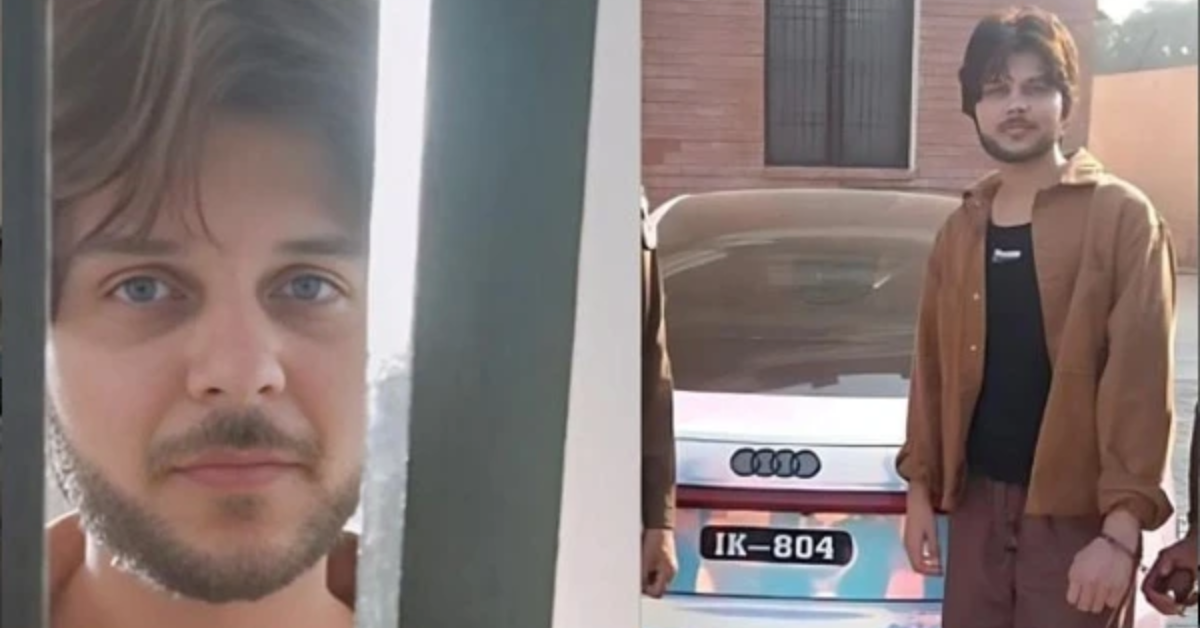
In the age of TikTok, the first video is rarely the full story — and the Nadeem Naniwala saga is proving exactly that. The Pakistani content creator, known online as Nadeem Mubarak, has found himself at the centre of a controversy that is evolving with every new clip that surfaces, reminding audiences that viral moments almost never arrive with complete context.
For those following Pakistani social media closely, Nadeem Naniwala is no stranger to attention. TikTokers who build large audiences in Pakistan often do so by leaning into bold, confrontational content — and when that energy meets a real-world encounter with law enforcement, things can escalate quickly. The original incident appeared to pit the creator against the police in a way that stirred up strong public sentiment, as these situations often do in a country where trust between citizens and authorities is a genuinely complex subject.
What makes this latest development so interesting is the emergence of new footage reportedly showing DSP Traffic Raya Circle Hisham Lodhi handling the situation calmly and professionally, explaining a traffic violation in measured terms and outlining the legal process. This is significant. In a media landscape where law enforcement encounters are often shared selectively — capturing the most dramatic moments and little else — video that shows the other side of an exchange can genuinely reframe public understanding. It does not necessarily mean one party was entirely right or wrong, but it does add texture to what had previously been presented as a clear-cut case.
For South Asian audiences, particularly those in the diaspora watching from Australia, the UK, Canada, or the USA, stories like this carry a particular weight. There is often a deep-seated scepticism toward institutional authority that travels with communities across borders, shaped by lived experiences and generational memory. When a creator appears to challenge that authority and goes viral for it, the emotional response can be immediate and fierce. But when counter-evidence emerges, it forces a moment of reflection — and that is not always a comfortable space for anyone who has already publicly taken a side.
This is also a conversation about how TikTok shapes public opinion in Pakistan. The platform has become one of the most powerful tools for grassroots storytelling, but it operates largely without editorial oversight. A compelling clip can turn a traffic stop into a national talking point within hours. What it cannot always do is guarantee accuracy or completeness. Nadeem Naniwala’s situation is a case study in how quickly a narrative can form, harden, and then crack open again when new information appears.
Neither side of this story should be taken entirely at face value — that is genuinely the lesson here. Public figures, whether they are content creators or traffic officials, deserve to have the full picture considered before judgement is passed. Pakistani audiences are becoming increasingly media-literate, and moments like this are part of that education.
So the question worth asking is this: in a world where anyone with a smartphone can frame a story any way they choose, how do you decide which version of events to believe — and what does it take to change your mind?