Poch Stays Defiant After US Loss: ‘We Won the Group’
FilmiTalk Take
Pochettino topping the group despite a loss keeps the USMNT's World Cup alive, but his combative press conference suggests a manager feeling the weight of expectation at a home tournament where results and performances both matter.
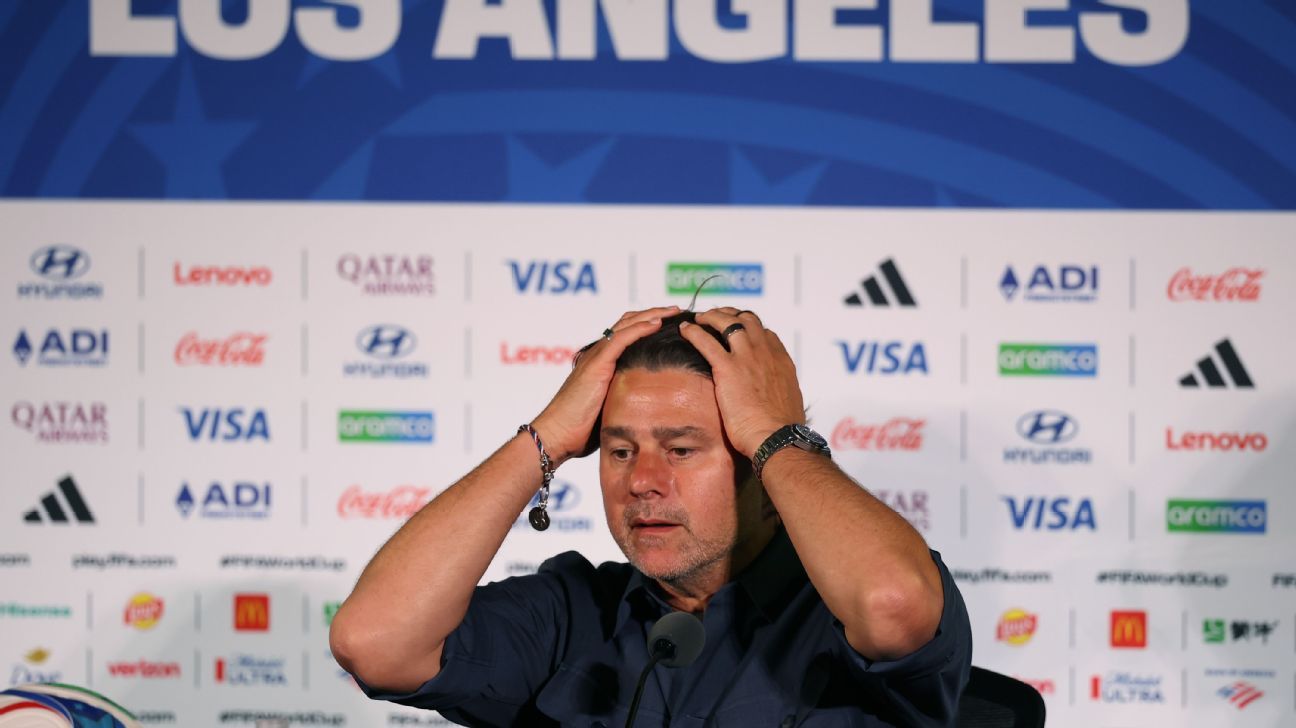
There is something almost theatrical about a manager standing at a podium, visibly frustrated, defending a result that was simultaneously a defeat and a triumph — and that is exactly the energy Mauricio Pochettino brought to his postgame press conference after the United States fell to Türkiye 3-2.
The USMNT lost the match. That part is straightforward. But Pochettino’s pointed response to what he called “weird” questions from the media cuts to something deeper than one result — it raises the eternal tournament football debate about whether winning a group matters more than the manner of doing it. Pochettino clearly believes it does, and he was not shy about saying so. The optics of a home nation losing a game at their own World Cup, however, will always invite scrutiny no matter how the table reads at the final whistle.
For American football fans — and there are millions of them now, a fanbase that has grown enormously through the MLS era, the 2022 Qatar experience and the incoming tidal wave of World Cup 2026 hype — this moment is complicated. Losing to Türkiye stings. But topping the group keeps the dream alive, and in knockout football, that is all you ever need. South Asian supporters living in the US, whether they are rooting for the hosts or tracking their own nations’ qualifying journeys, understand this tension well. You survive first, then you thrive.
Pochettino’s combative press conference style is nothing new for those who followed his time at Tottenham or PSG. He is a manager who wears his passion openly, sometimes too openly for the comfort of the media room. When he feels his team is being disrespected or the framing is unfair, he pushes back. Thursday night was a textbook Poch moment — defensive, proud, and absolutely certain he was right. Whether the American public and football media agree with him is another matter entirely.
What makes this story matter beyond the result is what it signals about tournament psychology. World Cups are not just about football — they are about narratives. The story being written around the USMNT right now is one of a team that can qualify but struggles to convince. Pochettino knows that story, he dislikes it, and he is actively trying to rewrite it from the podium as much as from the training pitch. That tension between a manager’s internal belief and external perception is one of the great dramas of international football.
For the global South Asian diaspora watching from Sydney, Birmingham, Toronto or Karachi, this is also a reminder of why the World Cup captivates so far beyond borders. Fans who have no particular loyalty to the USMNT are watching Pochettino’s press conference clips on social media, debating his attitude, and forming opinions about whether he is a man under pressure or a manager fully in control. That global conversation is the World Cup at its most alive.
The knockout rounds will tell us far more than any group stage result. So here is the question worth asking: Is Pochettino’s defiance a sign of genuine belief in this USMNT squad, or is it the kind of bravado that gets exposed the moment the margin for error disappears entirely?