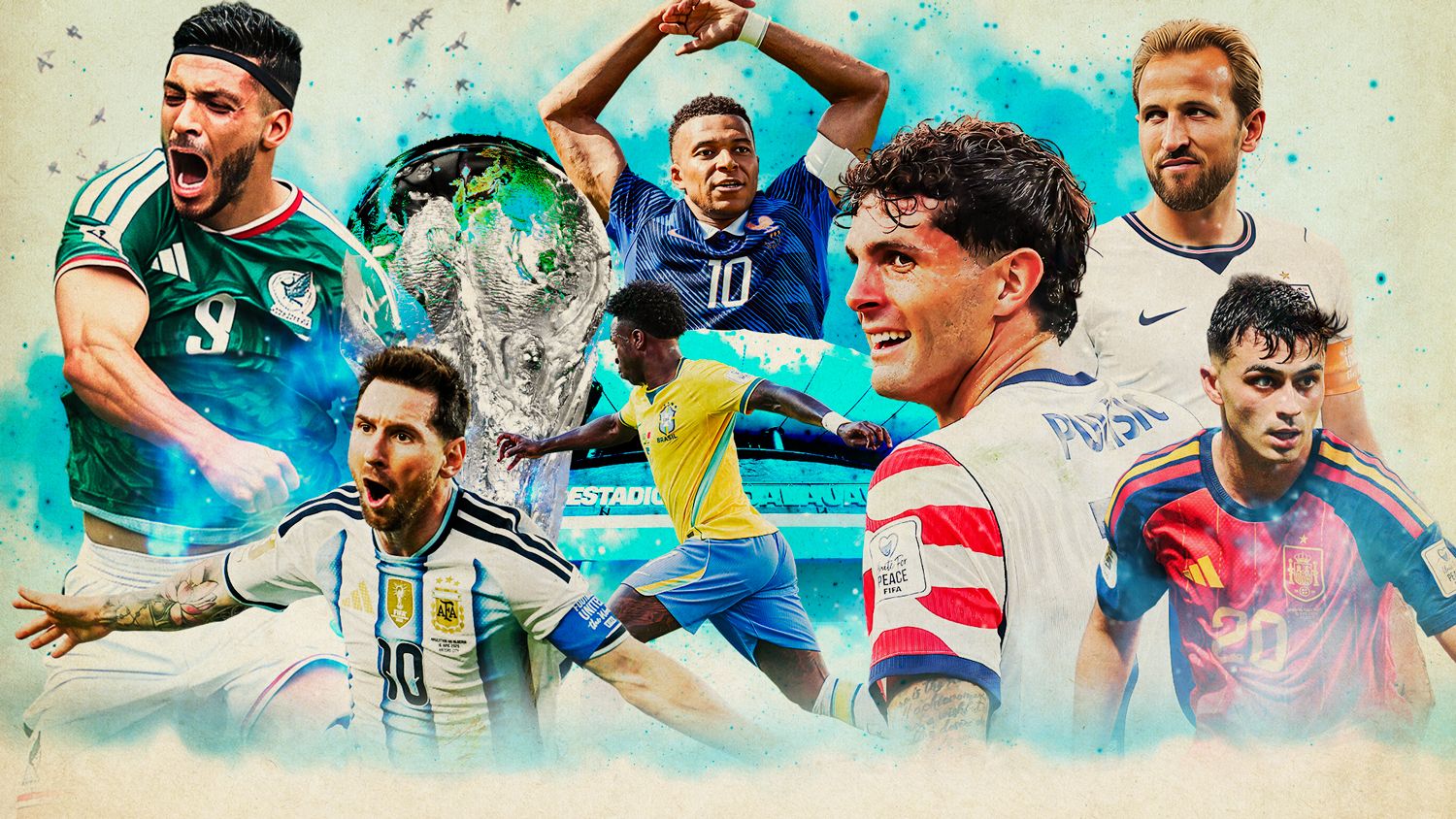
World Cup 2026 Power Rankings: Who Rules After the Group Stage?
FilmiTalk Take
The post-group-stage power rankings are less a verdict and more a challenge — tournament football at this scale has always rewarded the bold and punished the complacent, and the knockout rounds will tell us everything the group stage could not.
The group stage of FIFA World Cup 2026 is officially in the books, and now the tournament reveals its true character — because everything from here is win or go home, and there is absolutely nowhere left to hide.
Every World Cup reaches this moment where the conversation shifts from potential to proof. The knockout rounds strip away the comfortable cushion of a second chance, and suddenly the teams that cruised through groups are tested against sides that have had time to observe, adjust and prepare. France, widely regarded as the tournament’s most complete squad on paper, enter this phase with a target painted firmly on their back. Whether that pressure becomes fuel or burden is the question every French supporter around the world is quietly asking themselves right now.
For South Asian football fans — from the passionate Bengali communities in Kolkata and London who have historically flown Brazilian and Argentine flags, to the growing football culture across Pakistan, Sri Lanka and the diaspora spread across Australia, Canada and the United States — the power rankings debate is practically a sport within the sport. Group chat arguments, office sweepstakes and family WhatsApp wars are already in full swing. Every ranking list that drops becomes a provocation worth two hours of heated debate.
What makes the post-group-stage power rankings so compelling is that they force a reckoning with what we actually saw versus what we expected. Some heavyweight nations may have coasted through soft groups without truly being tested, while a handful of teams showed genuine tournament edge in difficult circumstances. The gap between a team that “looks good on paper” and one that actually handles the pressure of a sudden-death knockout match can be enormous — and World Cup history is littered with favourites who wilted precisely when the stakes rose highest.
France, with their depth, tactical flexibility and generational talent, have the credentials to hold any top ranking. But tournament football at this level is not a controlled experiment. One injury, one defensive lapse, one goalkeeper having the match of his life for the opposition — and the entire script flips. Fans who have lived through iconic World Cup upsets know that the rankings mean very little once the referee blows that first whistle in the last sixteen.
The cultural weight of this World Cup also cannot be overstated. With 48 teams competing across the United States, Canada and Mexico, this is the most expansive World Cup in history, drawing in supporter communities from every corner of the globe. For diaspora fans cheering from living rooms in Birmingham, Toronto, Melbourne and Dubai, the knockout stage is when the emotional investment becomes almost unbearable. Every result is personal. Every elimination feels like a small grief.
As the dust settles on the group stage and the bracket takes shape, the real drama is only just beginning. The power rankings are fascinating as a snapshot, but football has a wonderful habit of tearing up every expert prediction and writing its own story entirely. So here is the question worth putting to every football fan in the FilmiTalk community right now — which team do you think is most dangerously underrated heading into the knockout rounds, and which so-called favourite are you secretly most worried about?