Momina Iqbal Case Takes a Sharp Legal Turn
FilmiTalk Take
The Momina Iqbal case is a stark reminder that the intersection of celebrity and political power in Pakistan can have very real legal consequences, and the public deserves full transparency as this situation develops.
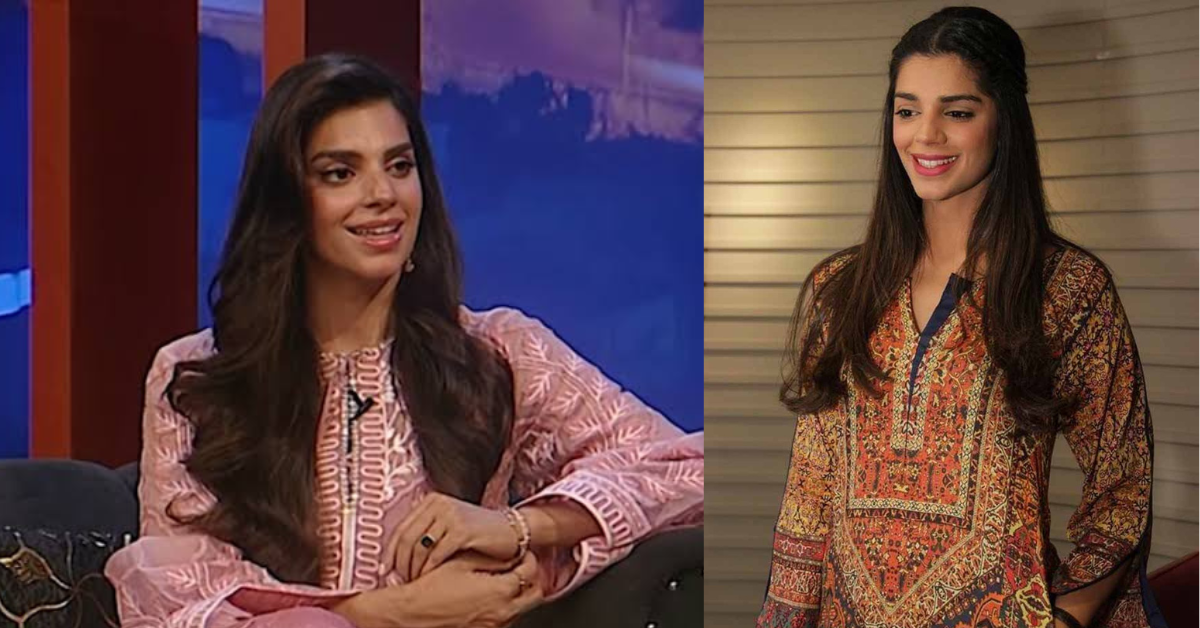
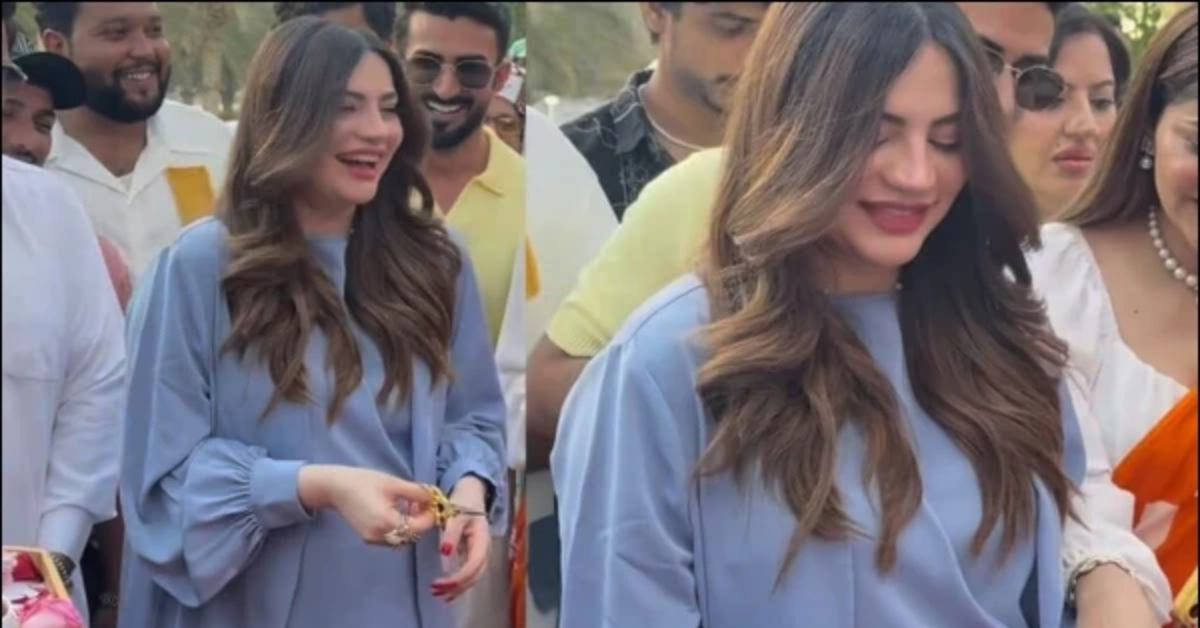
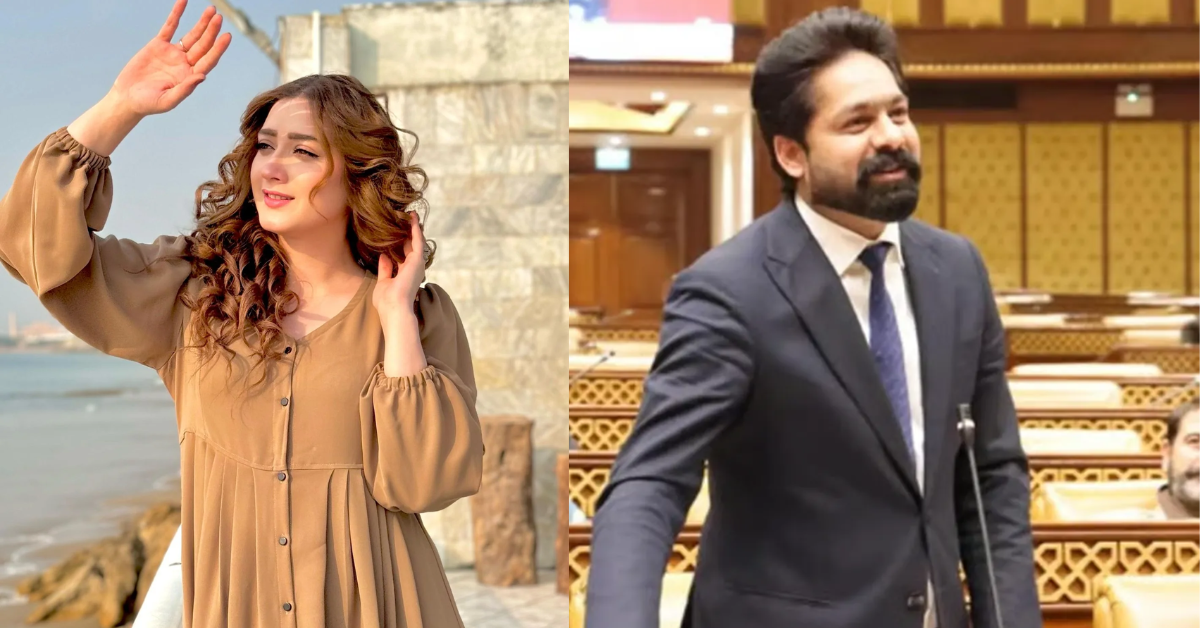
When Pakistani showbiz drama spills into courtrooms and police stations, you know things have escalated well beyond the usual celebrity controversy. The ongoing situation involving actress Momina Iqbal and Punjab Assembly member Saqib Chadhar has taken a significant legal turn, and the details emerging are keeping audiences and industry insiders equally gripped.
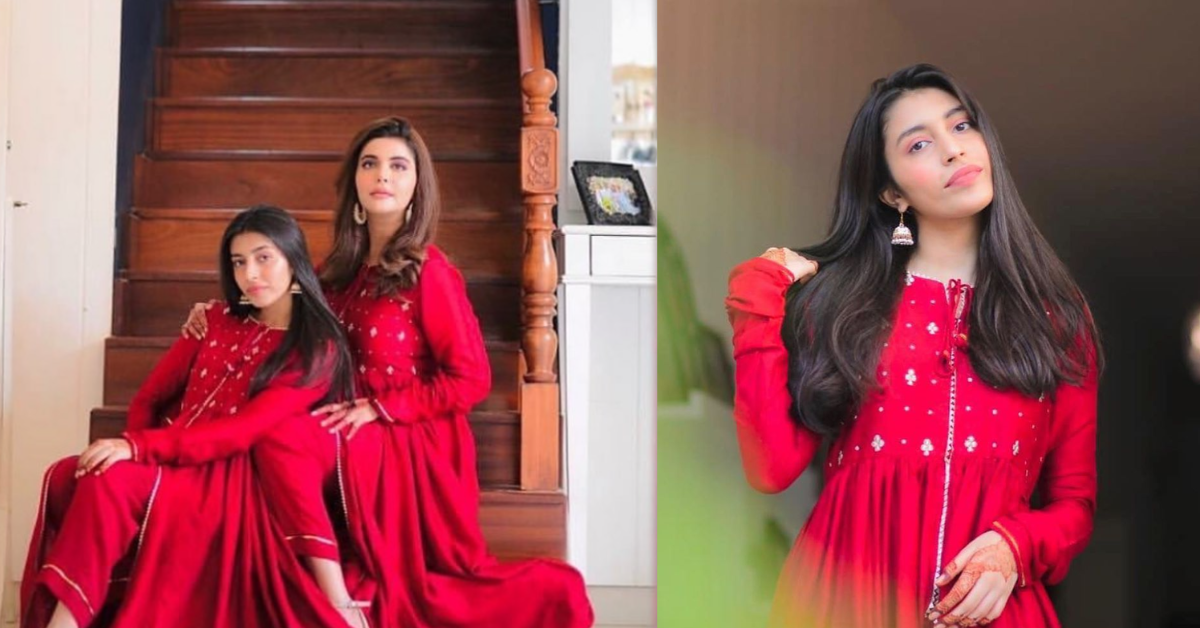
For those following this case, the involvement of a provincial assembly member was already enough to raise eyebrows. Politicians and entertainers crossing paths in Pakistan is nothing new, but when those interactions end up generating police complaints and legal petitions, the story takes on a whole different weight. The fact that Saqib Chadhar has now reportedly filed a complaint of betrayal of trust against Momina Iqbal’s sister Ramsha Iqbal at the Bhawana police station adds a fresh and unexpected layer to an already complicated situation.
What makes this particularly compelling for audiences is the family dimension. Ramsha Iqbal being drawn into the legal proceedings shifts this from a straightforward celebrity-politician dispute into something that feels far more personal and far-reaching. In Pakistani culture, family loyalty and honour are deeply embedded values, so when legal action targets a sibling, it tends to strike an emotional chord with the public in a way that a simple two-party dispute might not.
Momina Iqbal herself has built a genuine following through her work in Pakistani dramas, and her fans have been watching this situation unfold with a mixture of concern and fierce protectiveness. Social media in Pakistan, and among the diaspora in the UK, UAE, and beyond, has been vocal. Supporters of the actress have been quick to frame Saqib Chadhar’s legal moves as a misuse of political influence, while others are waiting for all the facts to surface before forming an opinion. That split in public reaction is itself telling.
The filing of a petition alongside the police complaint also suggests this is not a situation that will resolve quietly or quickly. Legal processes in Pakistan can be drawn out, and the court of public opinion tends to run parallel to the actual courts. Every new development gets dissected, debated, and dramatised on talk shows, YouTube channels, and Twitter threads almost instantly. The media appetite for this story shows no signs of slowing down.
What this case also highlights is a broader conversation about the vulnerability of entertainment industry figures when they come into conflict with individuals who hold political power. Actresses, models, and performers in Pakistan have spoken before about navigating an industry where powerful off-screen figures can complicate their professional and personal lives in very real ways. Whether or not those broader patterns are relevant here remains to be seen, but the conversation is happening regardless.
For now, the facts are still unfolding, and it would be premature to draw firm conclusions about who bears responsibility for what. But one thing is clear: this case has moved beyond gossip territory and into genuinely serious legal ground. As more details emerge from the courts and police proceedings, the full picture will become clearer.
The question is, do you think Pakistani celebrities receive adequate legal and institutional support when disputes like this arise, or is the system still heavily skewed in favour of those with political connections?