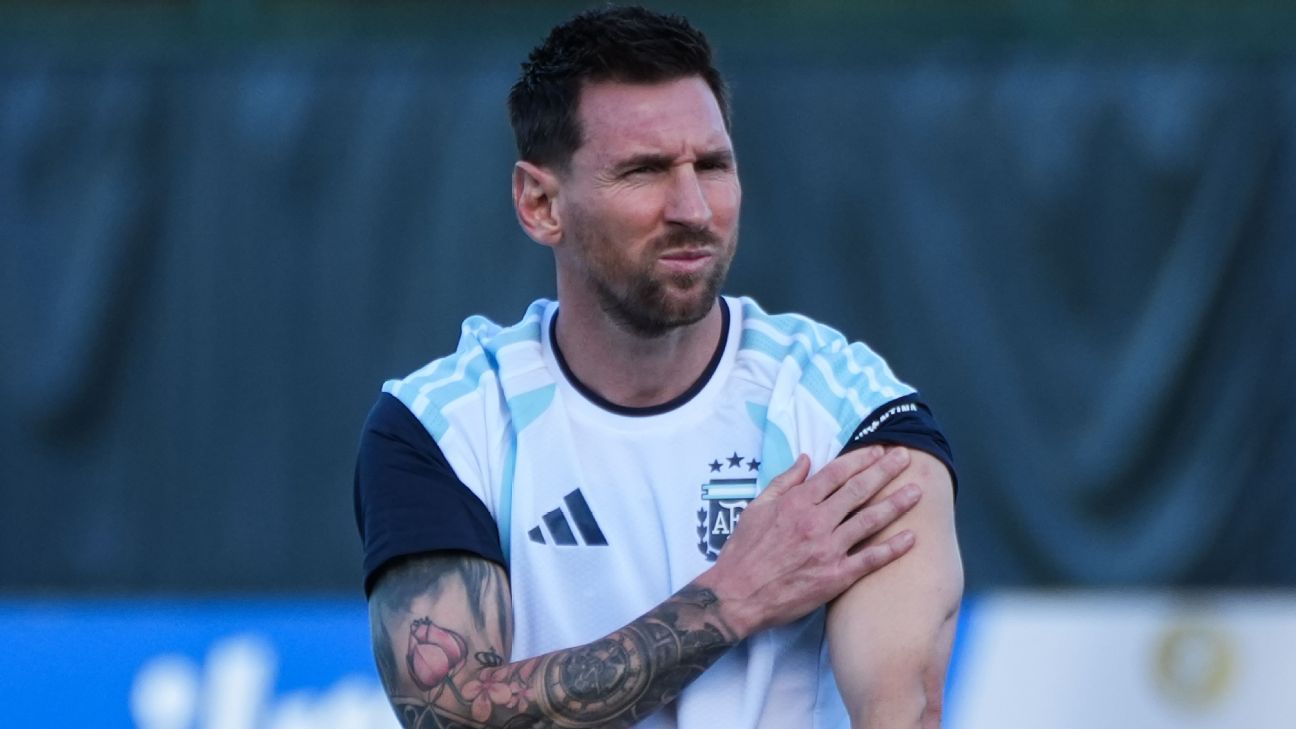
Messi Turns 39 at the World Cup — and the Drama Is Just Beginning
FilmiTalk Take
Messi celebrating his 39th birthday mid-tournament while the group stage reaches its most intense phase is the kind of narrative that transcends football — for diaspora fans worldwide, it is a reminder that some stories simply refuse to end quietly.
There are birthdays, and then there are birthdays spent grinding through the final round of a FIFA World Cup group stage at the age of 39. Lionel Messi is doing the latter, and somehow that feels perfectly on brand for a man who has spent his entire career refusing to follow the script anyone else would write for him.
The 2026 FIFA World Cup has now reached that electric, nerve-shredding phase where every group plays its final matches simultaneously. This is the format working exactly as intended — no team can safely watch another result and adjust. Everyone plays, everyone sweats, and the drama is beautifully uncontrollable. For fans watching from living rooms in Lahore, Leicester, Lagos, Los Angeles and beyond, this is the moment the tournament truly ignites.
Messi turning 39 during this World Cup is more than a footnote. It is a cultural moment that lands differently depending on where you are watching from. Across the South Asian diaspora — whether you grew up in Karachi debating Messi versus Ronaldo in school corridors, or you caught your first glimpse of him on a grainy TV broadcast in a relative’s flat in Birmingham — his continued presence at this level carries enormous emotional weight. He is not just a footballer anymore. He is a symbol of what it looks like to refuse the ordinary ending.
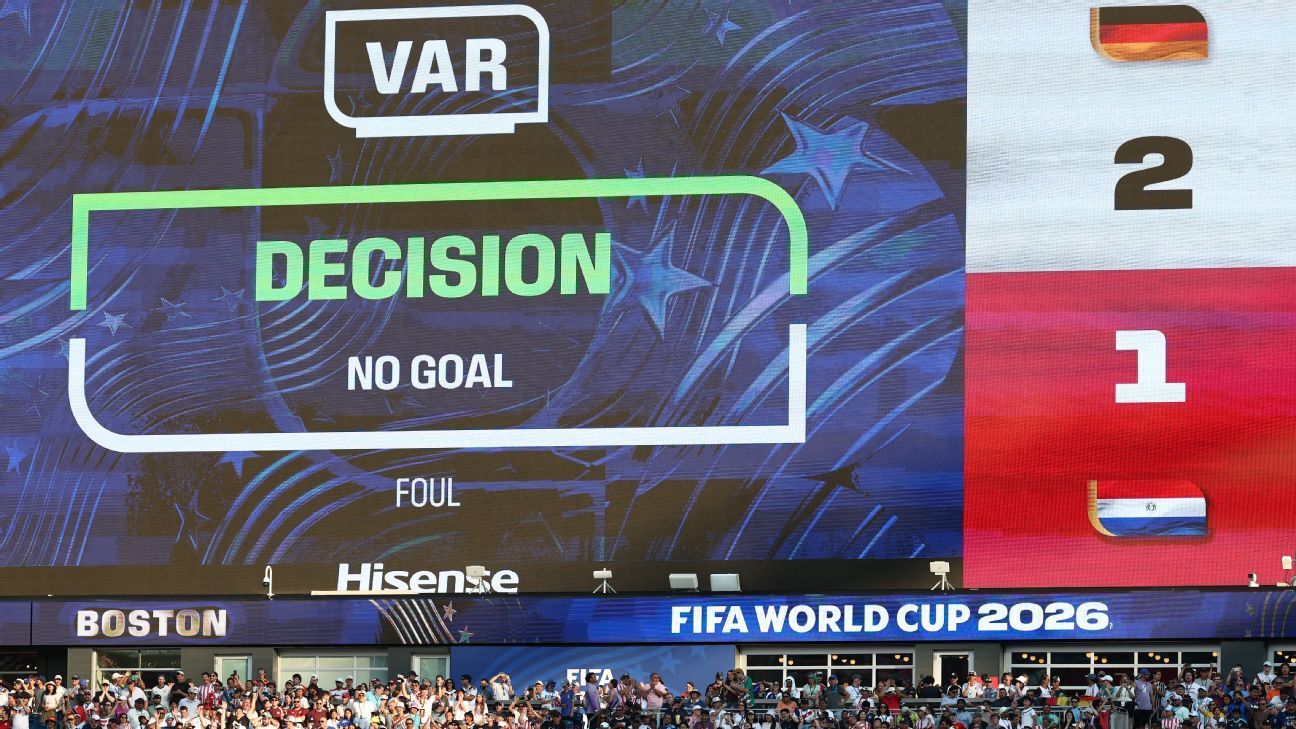
The simultaneous final group matches create a specific kind of fan chaos that social media was practically built for. Every corner, every missed chance, every VAR delay across multiple stadiums at the same time turns global football Twitter, WhatsApp groups and family chats into absolute mayhem. The diaspora audience, spread across time zones from Sydney to Toronto, experiences this World Cup in fragments — early morning alarms, late-night streams, phone screens glowing under office desks. That shared, slightly sleep-deprived experience is part of what makes this tournament feel communal in a way few other global events manage.
For neutral fans, the group stage finale is also where the storylines sharpen. Teams that coasted through early fixtures suddenly find themselves staring at elimination. Surprise packages who punched above their weight now face the question of whether they have enough left to see it through. The tactical conversations deepen, the stakes become visceral, and the moments that define entire tournaments — a goal, a save, a sending-off — tend to arrive without warning.
Messi doing “midnight work,” as the headline suggests, paints a picture of someone still utterly committed at a stage of his career when most players are long retired or quietly winding down somewhere comfortable. Whether Argentina cruise through or are made to fight for every inch, his participation in this World Cup will be one of its defining cultural narratives long after the tournament ends.
For the FilmiTalk audience — a community that understands legacy, drama and the emotional pull of a final performance — this World Cup moment hits close to home. Football at this level is not just sport. It is storytelling. And right now, the story is still very much being written.
So here is the question worth sitting with: if this genuinely turns out to be Messi’s last World Cup, what single moment from this tournament would you want the world to remember him by?