Real Madrid’s Record Signing and What It Means for Football
FilmiTalk Take
Real Madrid's world record signing of Felicia Schröder is not just a transfer story — it is a signal that women's football has entered a new financial and cultural era that fans everywhere should be paying close attention to.
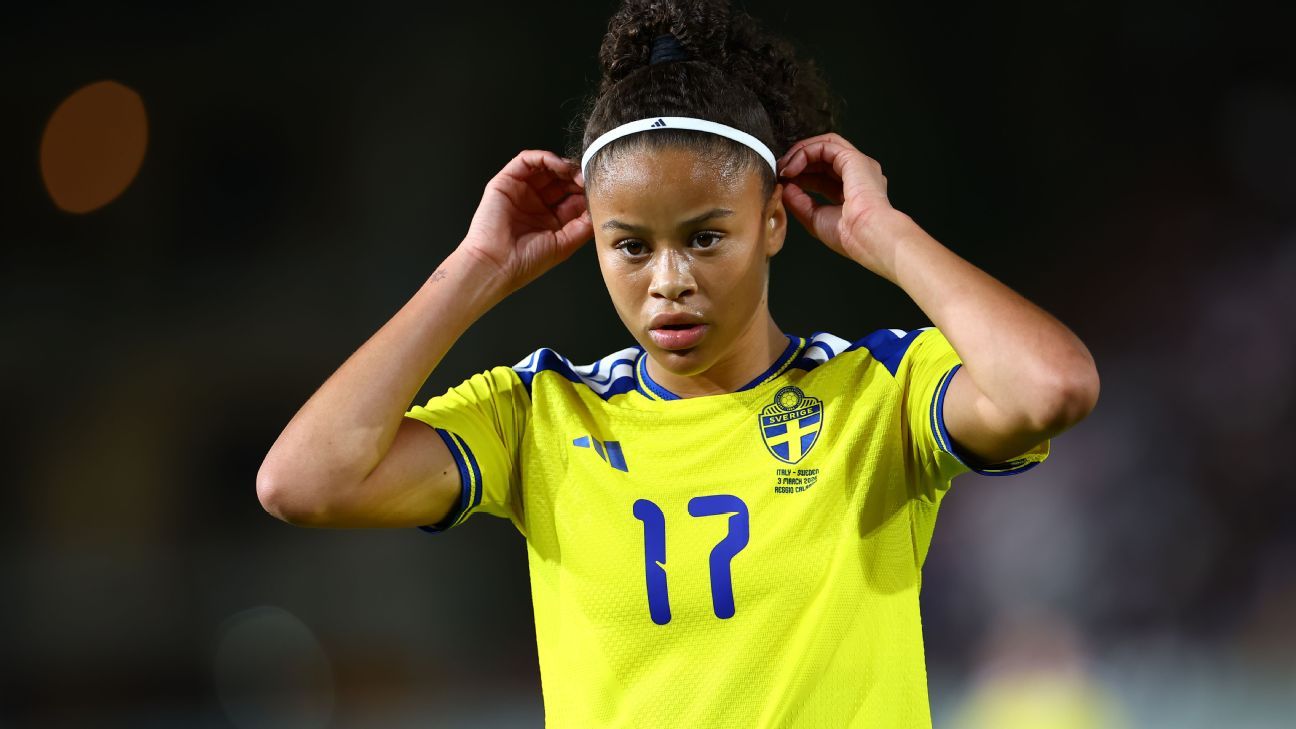
There are transfers that make headlines, and then there are transfers that rewrite the rulebook entirely — and Real Madrid’s reported world record move for Swedish teenage striker Felicia Schröder firmly belongs in the second category.
Real Madrid have long been synonymous with Galáctico signings on the men’s side, but this move signals something far bigger than just one club making a bold investment. A world record fee for a women’s player — and a teenager at that — tells you everything about where the women’s game is heading, and how quickly the financial landscape is shifting beneath everyone’s feet.
For the global South Asian football community, whether you are watching from the terraces of a pub in Birmingham, streaming late nights in Sydney, or catching highlights in Karachi and Mumbai, this story carries real weight. Women’s football has been steadily building its own passionate fanbase across these communities, and landmark transfers like this one accelerate that conversation in living rooms and group chats everywhere. When a club the size of Real Madrid commits record money, it tells fans that women’s football is no longer a side project — it is a priority.
Felicia Schröder herself represents a new generation of European talent that has grown up watching the women’s game explode in popularity. Sweden has consistently been one of the most formidable nations in international women’s football, regularly challenging at major tournaments and producing technically gifted players. For a Swedish teenager to command a world record fee is not just a personal milestone — it is a statement about the pipeline of talent that Scandinavian football continues to produce at the highest level.
From a tournament perspective, moves like this one have a direct knock-on effect on international football. When elite clubs invest heavily in young players, those players arrive at major tournaments sharper, more experienced, and surrounded by world-class infrastructure. Sweden’s national team aspirations ahead of future World Cup cycles will only be boosted by having one of their own operating at the very highest level of club football week in, week out.
The cultural conversation around women’s football has also shifted dramatically. Fans who once needed convincing to follow the women’s game are now genuinely invested — in players, in storylines, in rivalries. Record transfers create icons, and icons create new fans. For diaspora communities who grew up idolising men’s football, watching the women’s game develop its own star ecosystem is genuinely exciting, and Real Madrid putting their prestige behind that ecosystem matters enormously.
This is also a moment that resonates beyond the pitch. In an era where representation in sport is increasingly important to younger fans globally, a teenage woman from Sweden becoming the most expensive women’s footballer in history is the kind of story that inspires. It is the kind of story that travels across continents and languages and ends up on someone’s timeline in Toronto or Lahore just as easily as it does in Madrid or Stockholm.
Real Madrid have always understood the power of a statement signing. The question now is — will other major clubs respond, and are we about to see a full-blown transfer revolution in the women’s game?