England, VAR and the Fine Lines That Define World Cups
FilmiTalk Take
England's VAR escape is a reminder that World Cup destiny increasingly turns on technology as much as talent — and for millions of South Asian fans watching across the globe, every agonising review moment feels like a cliffhanger worth debating long after the final whistle.
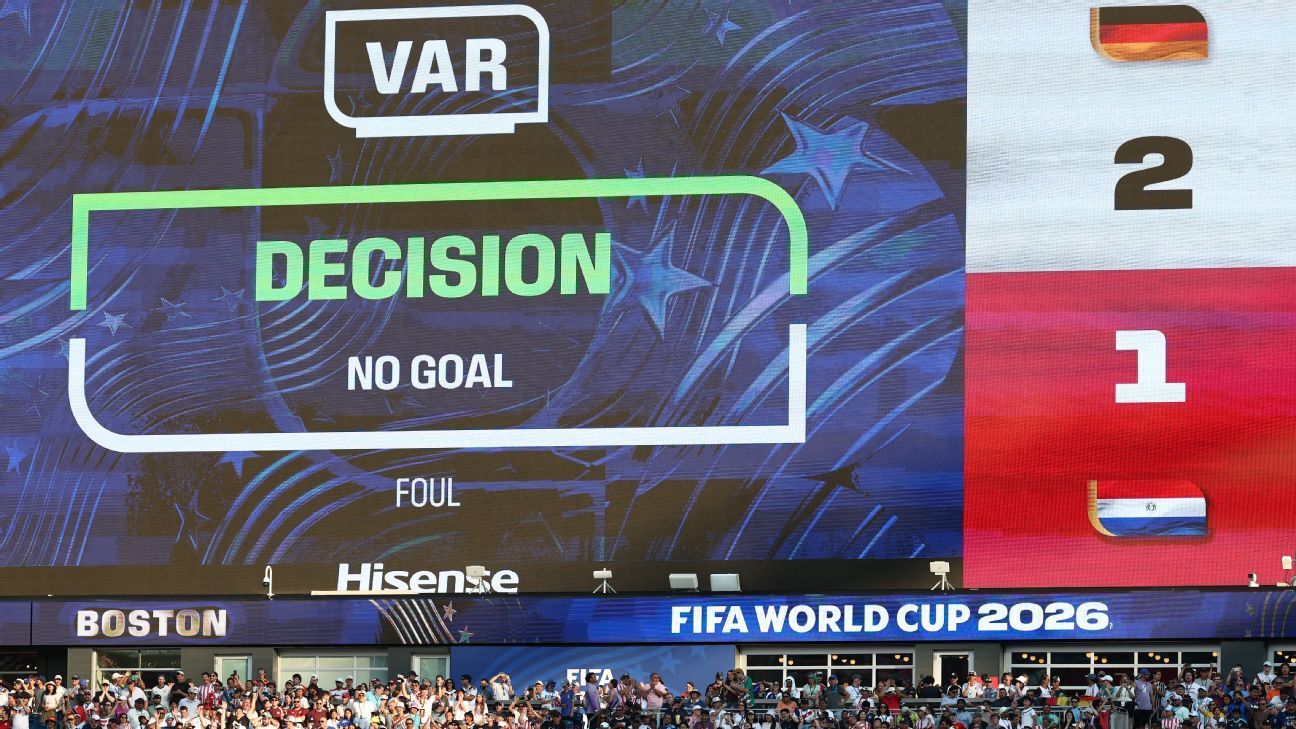
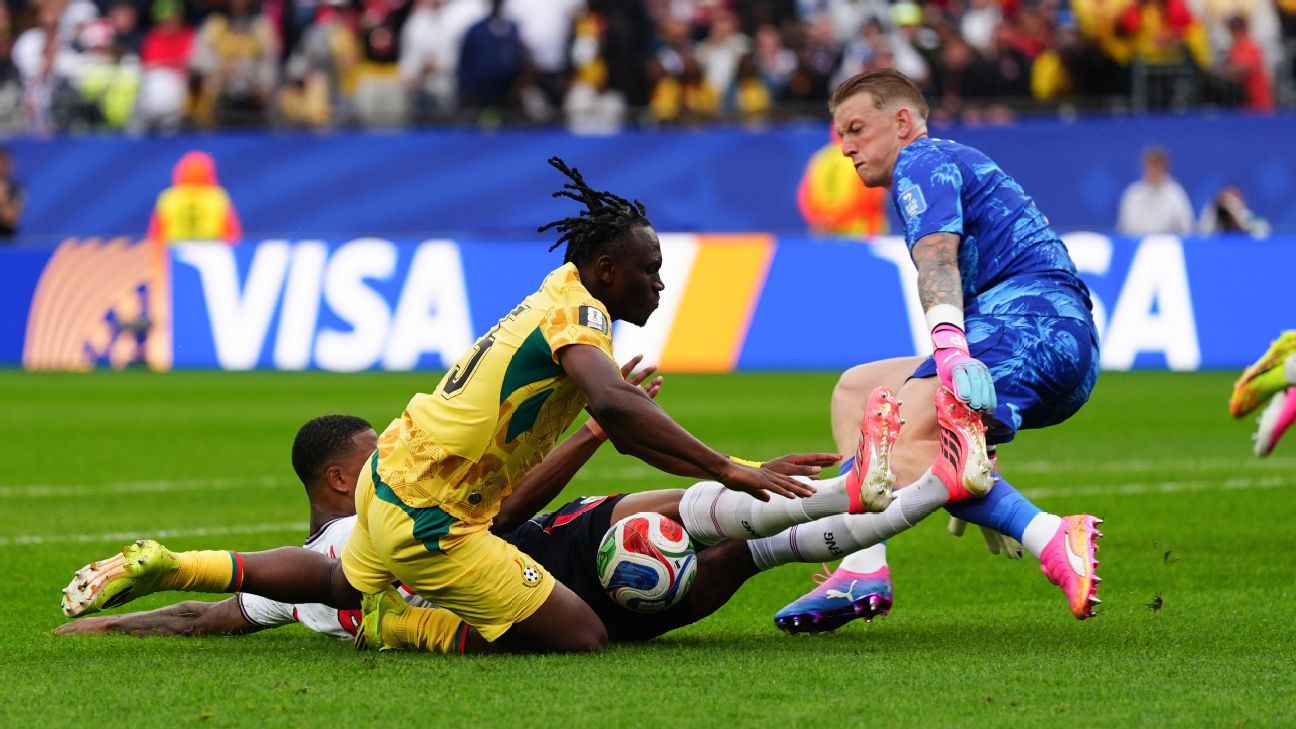
There is nothing quite like a VAR review to stop a stadium — and a billion watching screens — dead in its tracks. At World Cup 2026, the technology is once again at the centre of the conversation, and England find themselves among the teams who have had reason to hold their breath while a referee walks slowly toward a pitchside monitor.
The details of what England escaped may still be unfolding, but the broader reality is familiar to anyone who has followed their tournament history. England and controversy are old companions. From Geoff Hurst’s 1966 ghost goal to Lampard’s disallowed strike in 2010, this is a nation that has been on both sides of football’s most infuriating decisions. VAR was supposed to fix all of that. The debate, clearly, has not gone away.
For South Asian football fans — whether you are watching in a packed living room in Birmingham, a sports bar in Toronto, streaming from Karachi at midnight or catching highlights in Melbourne — England matches at a World Cup carry a particular kind of weight. The diaspora connection to English football is enormous. Premier League loyalties run deep, and when your club’s players are turning out for the Three Lions, every VAR check feels personal. Social media in these communities does not wait for official explanations. The verdict is delivered in real time, loudly, and often in at least two languages.
What makes VAR so maddening — and so fascinating — is that it has created a new kind of football theatre. The pause. The silence. The pitchside monitor walk. Fans in the ground do not always know what is being reviewed, and neither do viewers at home for those agonising first seconds. Entire tournament campaigns now hinge on millimetre offside lines and whether a defender’s arm was in a natural or unnatural position — questions that football’s greatest philosophers have yet to fully resolve. England, in this instance, appear to have come out on the right side of that uncertainty.
The broader tournament stakes make these moments even more significant. At a World Cup, there is no second chance once the knockout rounds arrive. A single VAR decision can be the difference between a nation celebrating in the streets and a squad boarding a flight home. The pressure on match officials to get these calls right is immense, and the scrutiny they face from fans, analysts and the media is unlike anything else in sport.
For neutrals, especially those from football-passionate nations in South Asia who are not directly invested in England’s campaign, there is a certain guilty pleasure in watching a major football power sweat through a VAR moment. It is the great equaliser of the modern game — no badge, no history, no reputation can override a correct call once that review process begins.
Ultimately, VAR at this World Cup is not just a technical story. It is a cultural one. It shapes narratives, fuels debates in every timezone and reminds us that football’s drama lives not just in goals but in the agonising, beautiful, maddening moments before a decision is confirmed. England survived theirs — this time.
So here is the question for FilmiTalk readers: do you think VAR has made the World Cup more fair, or has it just replaced one type of controversy with another?