World Cup 2026 Power Rankings: Who’s Rising After Two Games?
FilmiTalk Take
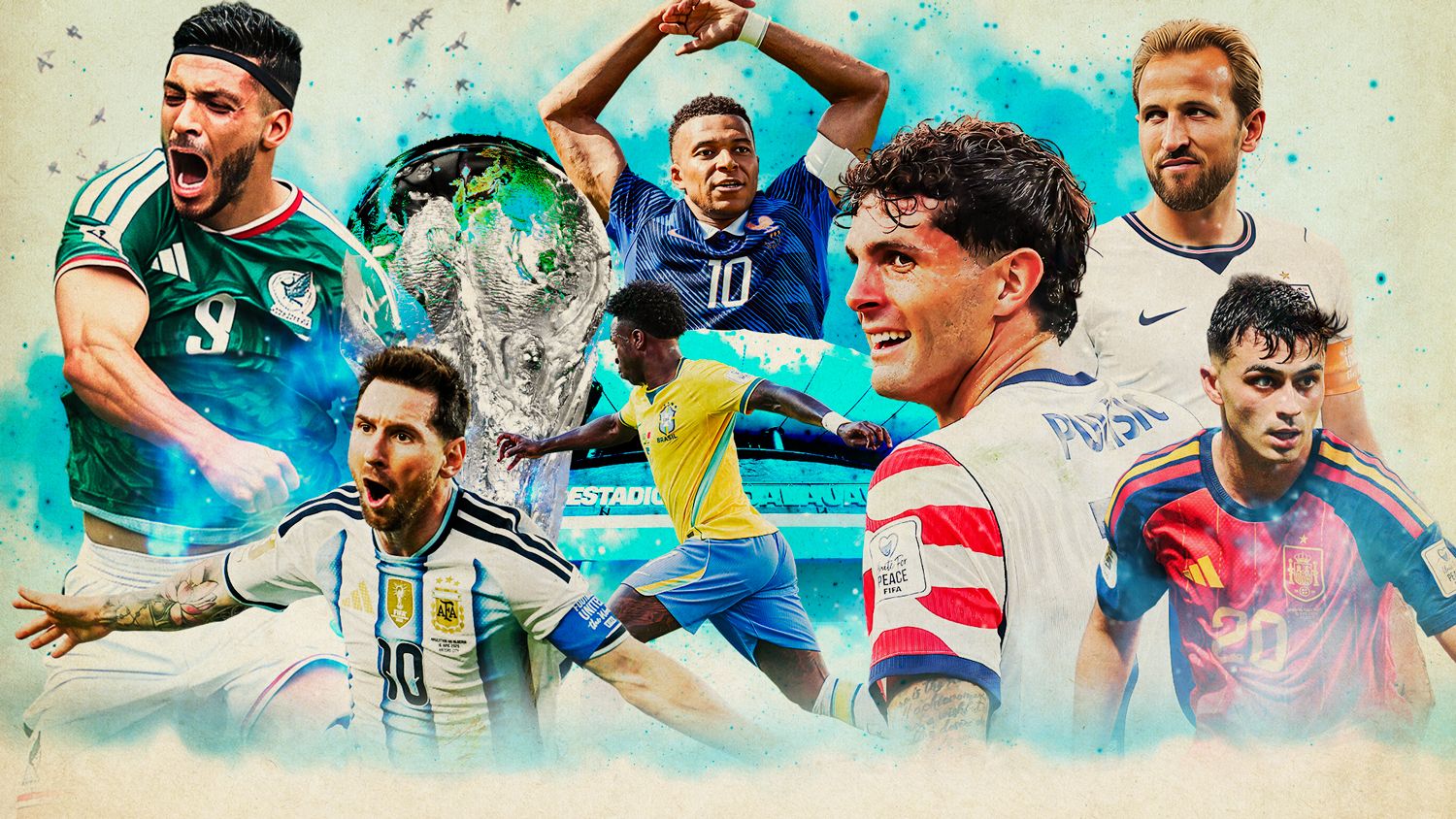
The post-matchday-two power rankings are where World Cup 2026 separates real contenders from overhyped squads — and for the global diaspora audience, the debate is just as important as the football itself.
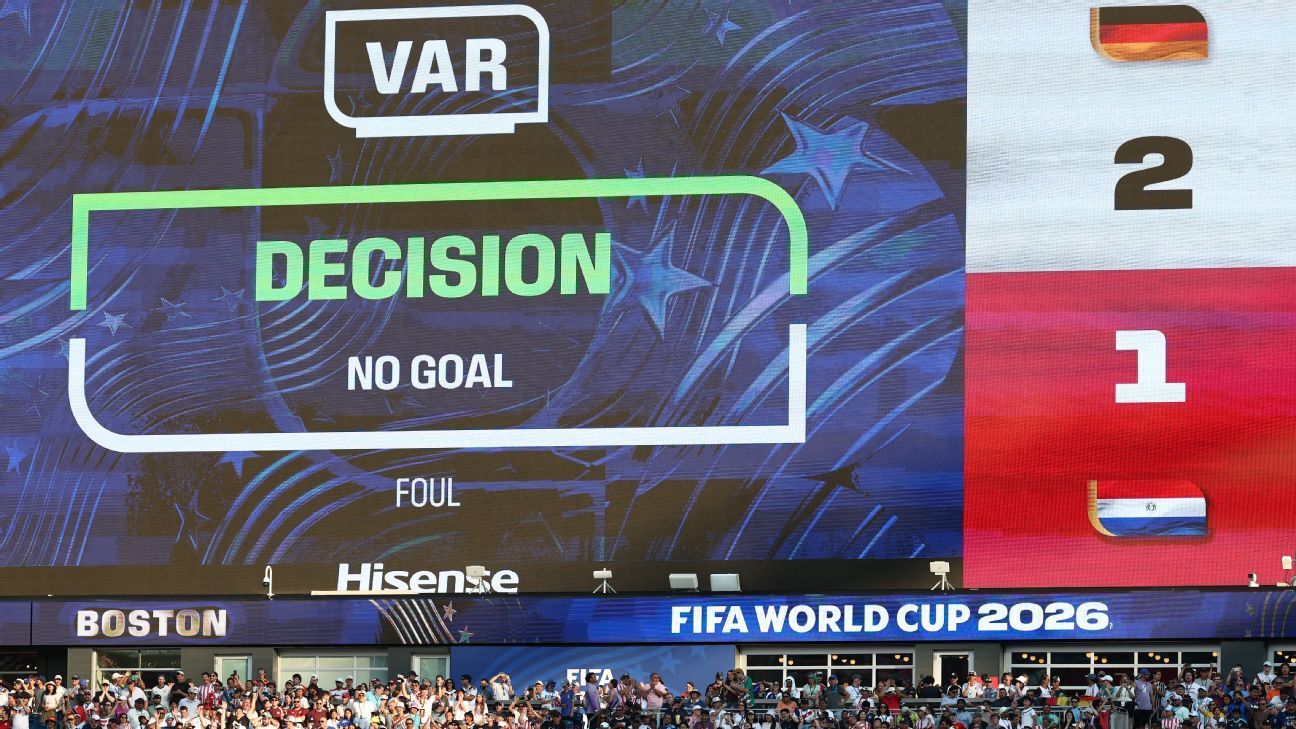
Two games in, and the FIFA World Cup 2026 has already done what it always does — humbled the favourites, elevated the underdogs, and left fans everywhere arguing at three in the morning about who is actually going to win this thing.
With 48 teams in this expanded format, the group stage feels longer and more unpredictable than ever before. That is partly the point. More nations, more stories, more chaos. But it also means the power rankings — those unofficial but deeply satisfying scorecards of who looks good and who looks rattled — carry more weight now than at any previous tournament. Two matches is enough of a sample to separate genuine contenders from sides coasting on reputation.
For South Asian fans watching from Sydney, Birmingham, Toronto or Karachi, the World Cup is never just about football. It is about allegiance, identity and the complicated joy of supporting a nation that is not your own because your parents once watched them lift a trophy. Brazil shirts in Bradford. Argentina flags in Melbourne. Portugal jerseys in Dubai. The diaspora picks its sides early and defends them loudly, and right now social media is absolutely on fire with debates about which of the traditional giants actually looks worth backing through to the knockout rounds.
What makes the post-matchday-two rankings so compelling is the honesty of them. The pre-tournament hype fades fast when you watch a team struggle to break down a well-organised defence or concede a sloppy goal in the final ten minutes. Some nations that arrived in North America with enormous expectations have looked vulnerable. Others who were written off before a ball was kicked have quietly gone about their business, picking up points and building momentum. That is the beauty of an expanded field — there are more stories being written simultaneously than any one fan can keep track of.
The round of 32 is now coming into focus, and for many teams the third group game will be the defining moment of their tournament. A side sitting on three points from two games is in a very different psychological space to one that has six. The pressure shifts, the tactics change and the coaches who prepared properly start to separate themselves from those who simply hoped things would click on the big stage.
From a pure fan culture perspective, the power rankings conversation is one of the great World Cup rituals. Everyone has an opinion. Everyone thinks the experts are wrong. Group chats are flooded with tactical takes from people who watched forty minutes of one game and are now fully convinced they understand a team’s defensive shape. It is chaotic, passionate and completely brilliant — exactly what a global tournament should produce.
The real question now is whether the sides at the top of these early rankings can sustain their form when the knockout pressure truly arrives, or whether this World Cup will deliver the kind of final that nobody predicted when the tournament began. History suggests the latter is more likely than anyone wants to admit.
So here is what we want to know — after two rounds of group stage football, which team has genuinely surprised you the most, and do you think they have what it takes to go deep into the tournament?