Who Can Actually Win the 2026 World Cup?
FilmiTalk Take
The 2026 World Cup's expanded 48-team field does not just add matches — it adds meaning, giving more fan communities around the world a genuine reason to believe their team can go all the way.
Every four years, the world stops arguing about everything else and starts arguing about football — and with FIFA World Cup 2026 on the horizon, that argument has never been louder or more complicated. This is the first edition of the tournament to feature 48 teams, which means more nations, more stories, more upsets and more reasons for fans across every continent to dream.
For South Asian fans especially, the expanded format is genuinely exciting. More group stage matches, more underdogs with a fighting chance and more opportunities for the neutral supporter to adopt a team and go on a journey. Whether you are watching from Melbourne, Manchester, Mississauga or Multan, the sheer scale of this World Cup means there is something at stake for almost everyone. The diaspora communities that turn living rooms into war rooms and WhatsApp groups into tactical briefings will have even more material to work with this time around.
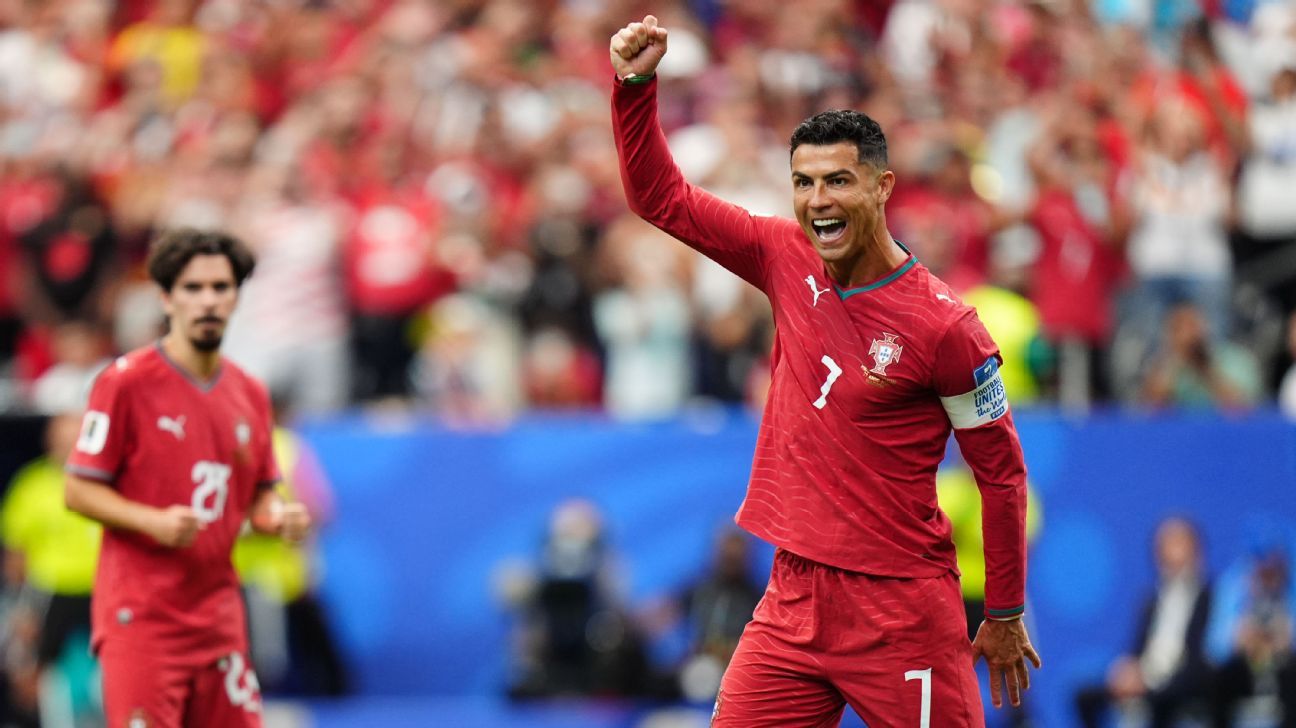
The traditional heavyweights — Brazil, Argentina, France, Germany, Spain and England — will always dominate the conversation when people talk about who is likeliest to go all the way. Argentina arrive as defending champions, with the emotional weight of their Qatar triumph still fresh and the question of whether they can sustain that brilliance hanging over everything. France possess perhaps the most terrifying depth of talent in world football. Spain have a young, technically gifted squad that plays a brand of football purists adore. Each of these sides carries genuine expectation, not just hope.
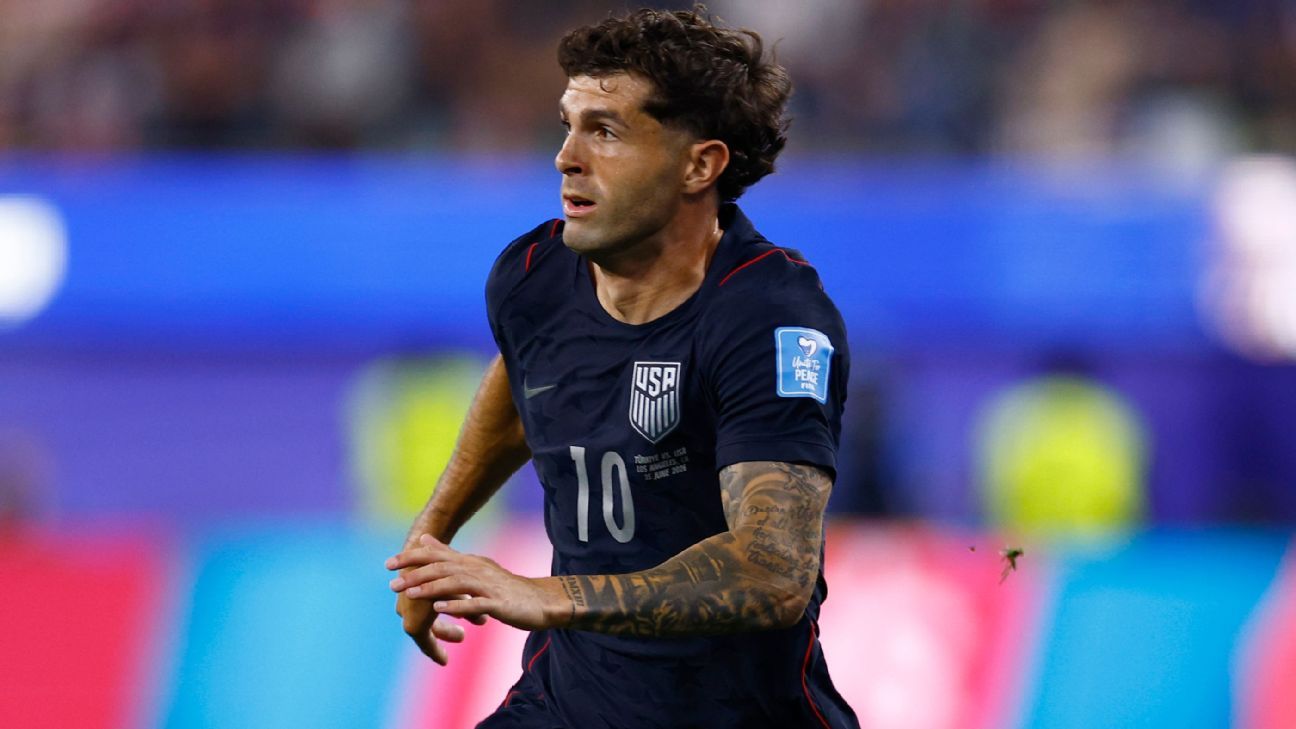
But the beauty of a 48-team World Cup is what happens at the edges. CONCACAF sides playing on home soil across the United States, Canada and Mexico will carry enormous crowd energy and partisan support. African nations have been knocking on the door of a deep tournament run for years. Asian sides have grown technically and tactically. The conditions for a genuine shock — not just a group stage upset but a team going deep into the knockout rounds — have never been more favourable. Nobody should be too comfortable.
For fans who bleed for the neutrals and the romantics, this edition rewards attention. The group stage alone will throw up dozens of matches where everything is on the line. The knockout rounds in a 48-team format introduce a round of 32, meaning even more drama before the quarterfinals arrive. Teams that might have gone home in a 32-team World Cup now get extended lifelines — and sometimes those lifelines become legendary runs.
Back in living rooms from Lahore to Leicester, from Sydney to Surrey, fans will be doing what fans always do — picking their adopted team, debating formations at two in the morning and insisting they knew all along who was going to win. The 2026 World Cup is not just a football tournament. It is a global cultural moment, and for South Asian communities with passionate football followings and fierce allegiances to nations they may never have visited, it is unmissable television and unmissable conversation.
The real question is not just who has the best squad on paper — it is who will hold their nerve when the tournament gets heavy. So tell us: which nation do you think has what it takes to lift the trophy in 2026, and is there a dark horse you are quietly backing to cause chaos along the way?