Club Battles and World Cup Dreams: What Transfers Really Mean
FilmiTalk Take
Transfer battles between elite clubs are not just about domestic trophies — they quietly shape who arrives at World Cup 2026 match-fit, confident and ready to perform on the biggest stage of all.
Football never sleeps, and neither does the transfer market — even with a World Cup on the horizon.
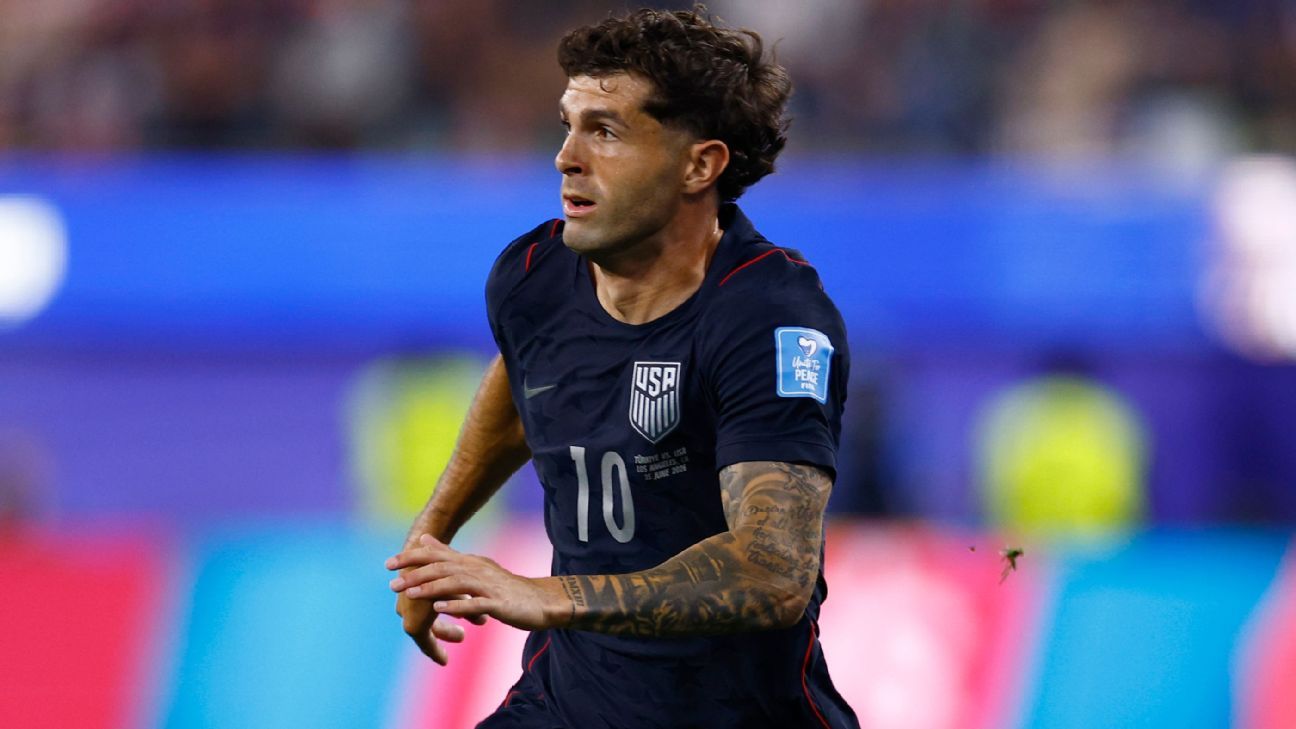
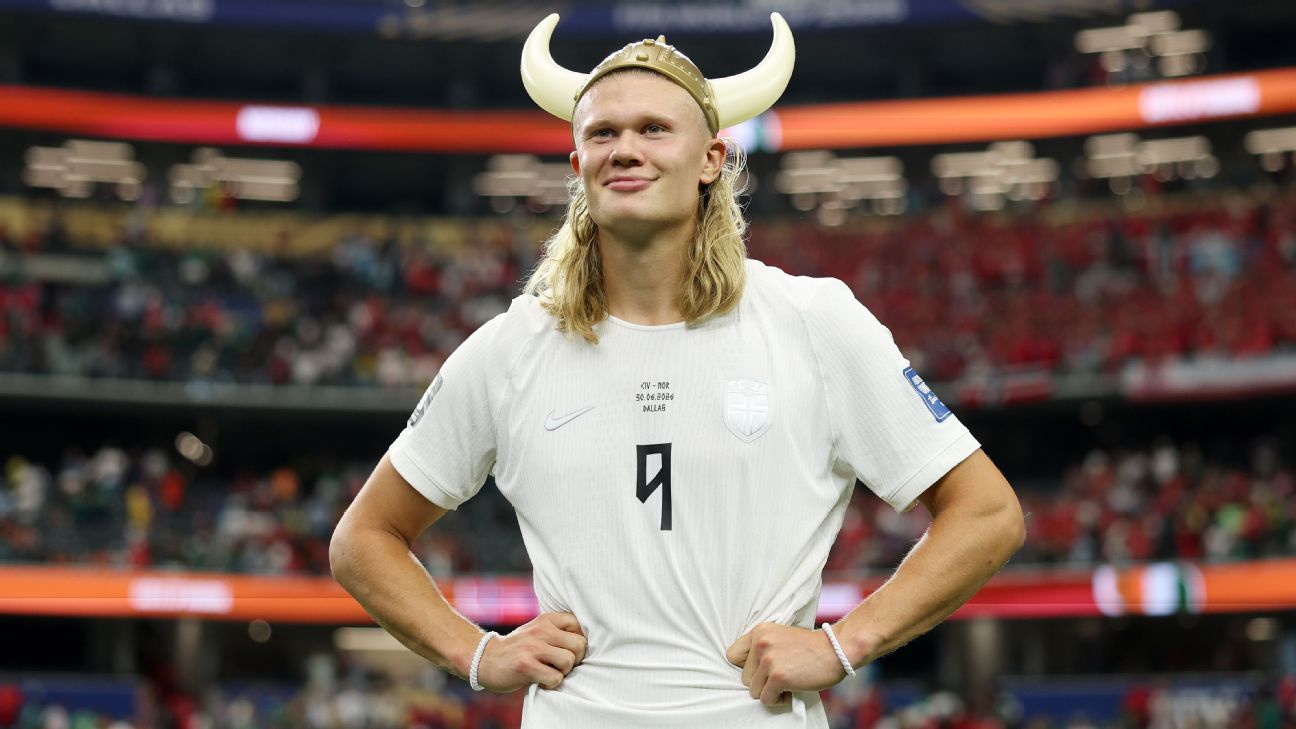
When top clubs like Arsenal and Manchester City start circling the same defensive target, it is rarely just about domestic ambitions. The players caught in these bidding wars carry national team futures with them, and for a global audience tracking both club football and international tournament football, the stakes feel very personal. A defender who lands at the right club gets game time, rhythm and confidence. One who ends up warming a bench can limp into a World Cup campaign a shadow of himself.
The South Asian football diaspora — spread across the UK, Australia, Canada, the USA and the subcontinent — understands this dynamic better than most. Millions of fans in Pakistan, India and Bangladesh have adopted Premier League clubs as their own, and they follow transfer sagas with the same intensity they once reserved for Bollywood box office battles. Whether you bleed red for Arsenal or wear City blue with pride, a defensive signing is not just squad depth — it is a statement of intent heading into one of the biggest footballing years the sport has seen in a generation.
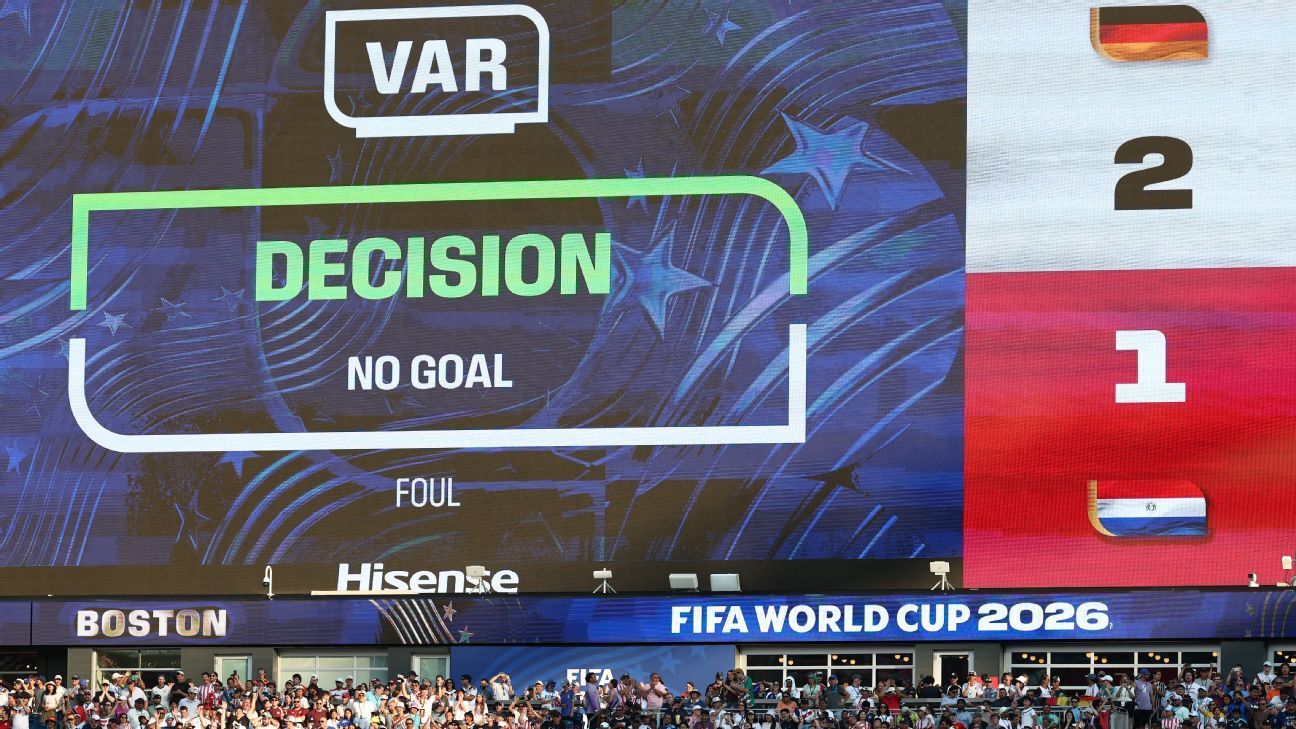
FIFA World Cup 2026 looms large over every boardroom decision being made right now. Clubs are building squads not just for next season but with one eye on how their players will return from North America. A defender who joins a Champions League contender in this window gets a chance to prove himself at the highest level of club football before stepping onto the world stage. Coaches assembling their national squads are watching every move. Form, fitness and playing time between now and the tournament will determine who gets called up and who gets left behind.
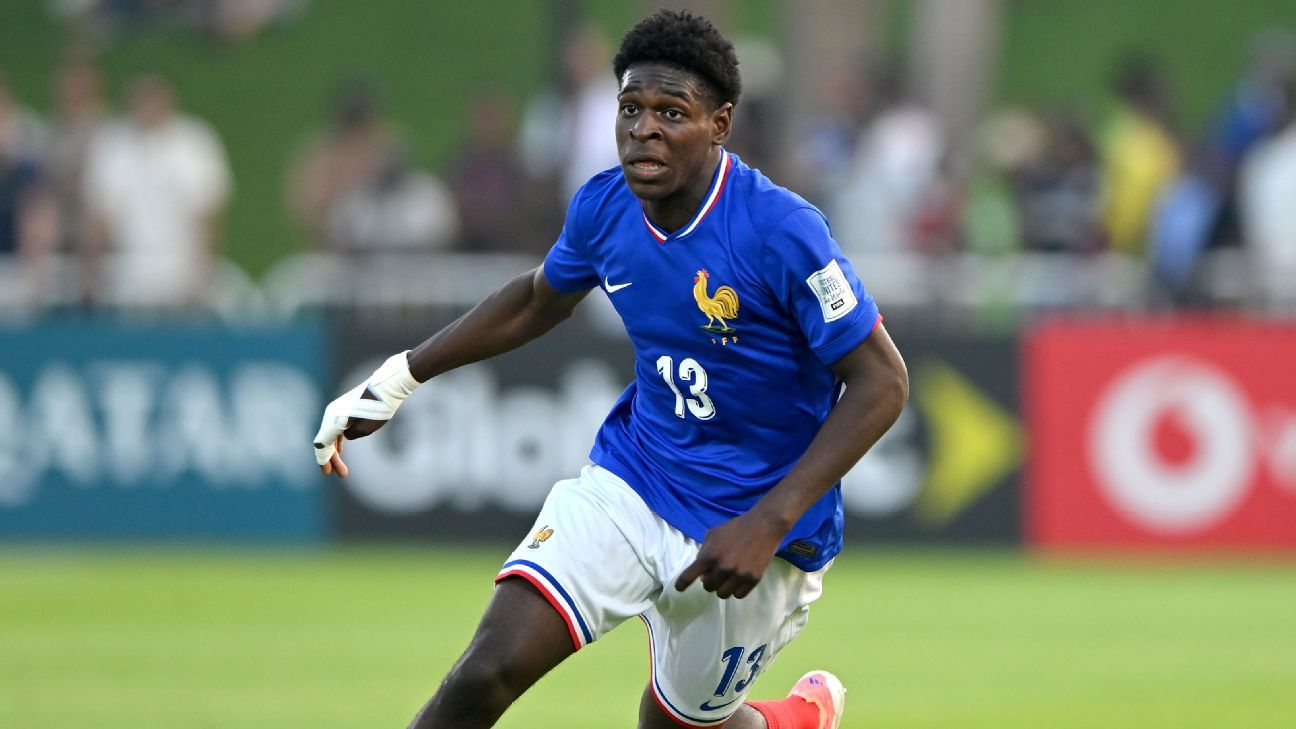
Arsenal’s reported interest in PSG’s Emmanuel Mbemba signals that Mikel Arteta is serious about reinforcing his backline ahead of what promises to be a gruelling season. Manchester City entering the picture only raises the temperature. When two of England’s most ambitious clubs go head to head for the same player, the conversation shifts from transfer gossip to genuine tactical intrigue. What kind of defender does each club need? Who offers the player the best platform to grow? These are the questions that will shape not just a transfer but potentially a World Cup squad selection somewhere down the line.
For fans watching from Melbourne, Manchester, Karachi or Toronto, transfer windows like this one are appointment viewing. Social media lights up, WhatsApp groups go into meltdown, and suddenly everyone has an opinion on defensive positioning and pressing systems. The drama of the transfer market has become its own form of entertainment — part sport, part soap opera, entirely compelling.
What makes this moment particularly interesting is the collision between club ambition and international preparation. World Cup 2026 will feature an expanded 48-team format, meaning more nations, more pressure and more players needing to be at their peak. Every transfer decision made this summer carries consequences that could echo long after the final whistle blows in whatever stadium hosts the championship match.
So here is the question worth sitting with: if your favourite club signs a world-class defender this summer, do you think it makes their nation stronger for the World Cup — or does club success sometimes come at international cost?