Spain Scraped Past Uruguay But the World Won’t Be So Kind
FilmiTalk Take
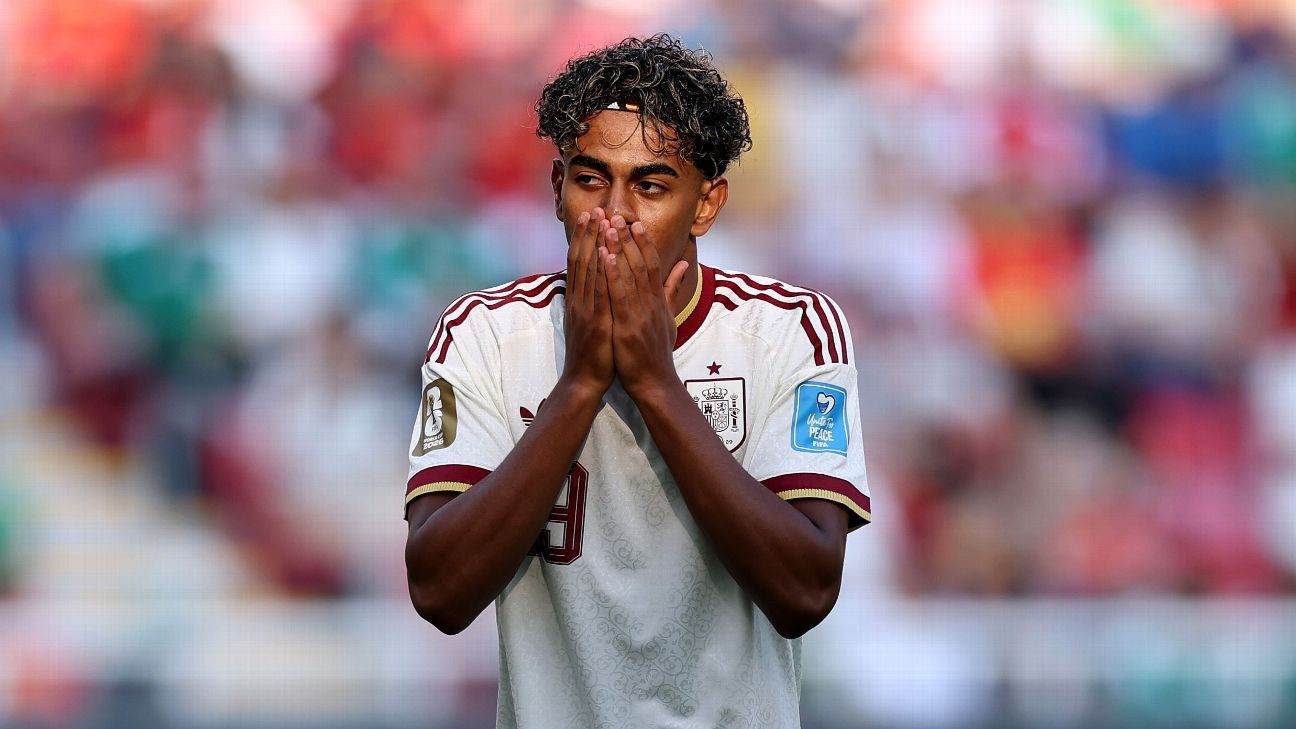
Spain's narrow escape against Uruguay is the kind of result that gets forgotten if you go on to lift the trophy, but it becomes the moment everyone points to if you don't. The pressure to perform, not just qualify, is now firmly on.
Winning ugly is a footballing tradition as old as the game itself, but there is a difference between grinding out a result with tactical discipline and simply stumbling over the line. Spain’s performance against Uruguay fell closer to the latter, and the global football community has taken notice.
La Roja have long carried the weight of expectation at major tournaments. The generation that swept through Euro 2008, the 2010 World Cup and Euro 2012 set a standard so impossibly high that every Spanish squad since has been measured against it. This current crop has genuine quality — there is no arguing that — but quality on paper and quality in tournament football are two entirely different conversations. Against Uruguay, those two things refused to meet.
What makes this story matter beyond the result itself is the stage. FIFA World Cup 2026 is the biggest tournament in history by sheer scale, with an expanded 48-team format meaning more matches, more upsets and more chances for teams to be exposed. A listless display that squeaks past one opponent in the group stage can snowball quickly when the knockout rounds arrive and the margins disappear entirely. Spain’s coaching staff will know that better than anyone watching from the outside.
For South Asian football fans, particularly in the UK, Australia, Canada and across the diaspora, Spain hold a special kind of magnetism. Their passing philosophy, their obsession with technical elegance and their run of dominance in the early 2010s turned them into a beloved neutral’s team across communities that grew up watching the sport through satellite dishes and grainy streams. There are Pakistani and Indian fans in Birmingham and Melbourne who have followed Barcelona’s influence on the national setup for years. Seeing Spain perform below that standard stings in a way that transcends geography.
Social media lit up after the final whistle, and the consensus was not gentle. Fans were quick to point out that Uruguay, a team built on defensive solidarity and collective grit, should not be the kind of opponent that leaves a World Cup contender looking relieved rather than dominant. The memes wrote themselves. When your highlight reel from a must-watch fixture is mostly shrugs, something has gone wrong in the performance.
None of this means Spain are finished or that their campaign is already derailed. Tournament football breathes and shifts in ways that make early-stage panic look foolish in retrospect. But the warning signs are genuine. Teams that coast on reputation and individual moments rather than cohesive, high-energy pressing and movement tend to find a wall at the business end of a World Cup. Spain have met that wall before, and they will know the feeling.
The question now is whether this was a blip, a bad day at the office that gets corrected in training and tactical meetings, or whether it reflects something deeper about where this squad actually is. The tournament will provide the answer soon enough, but Spain’s fans — and their many admirers around the world — will be watching the next match very differently. So here is the question worth putting to the FilmiTalk community: do you think Spain have enough in the tank to genuinely challenge for the World Cup title, or was this performance a sign that the gap between expectation and reality is wider than their fans want to admit?