Which Clubs Ruled the World Cup Group Stage?
FilmiTalk Take
Club loyalty and international performance collide at every World Cup, and for a global South Asian fanbase, watching your club's players deliver on the biggest stage is about far more than football — it is identity. The group stage is only the opening chapter.
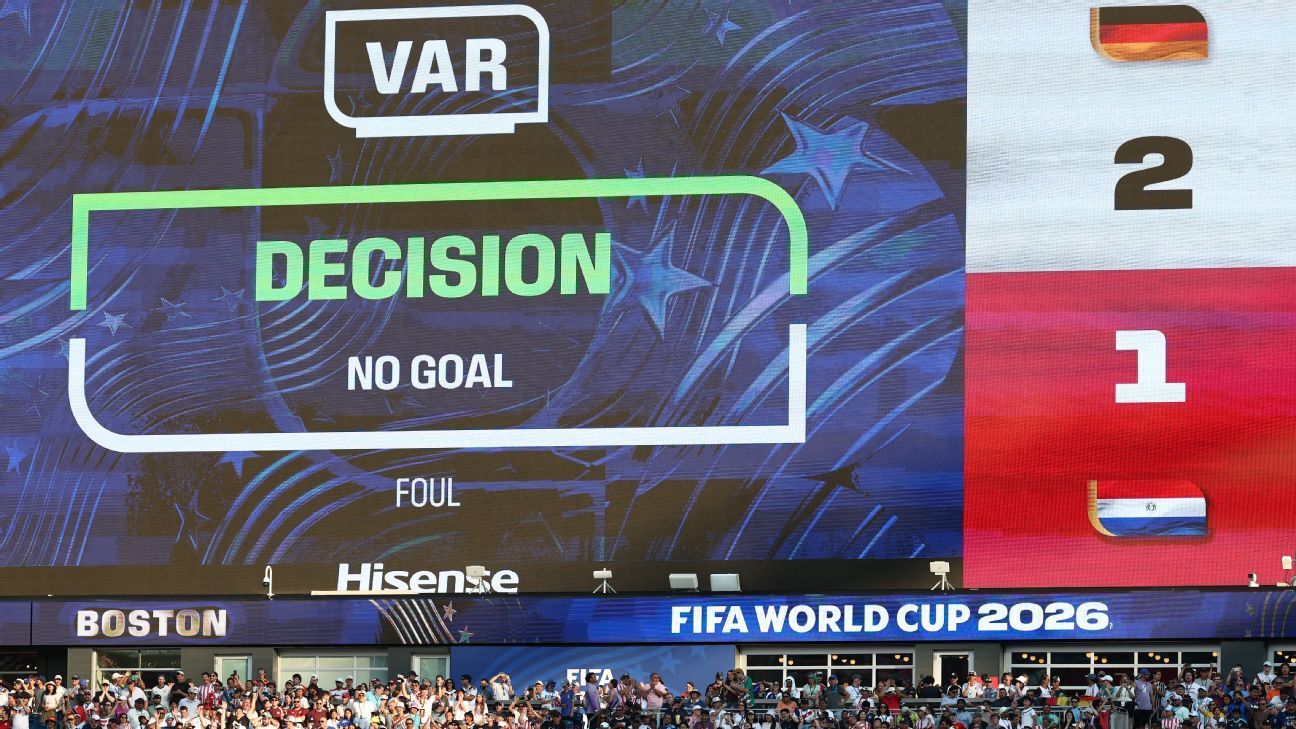
The group stage is done, the dust has settled, and now comes the argument that football fans truly live for — whose players actually showed up when it mattered?
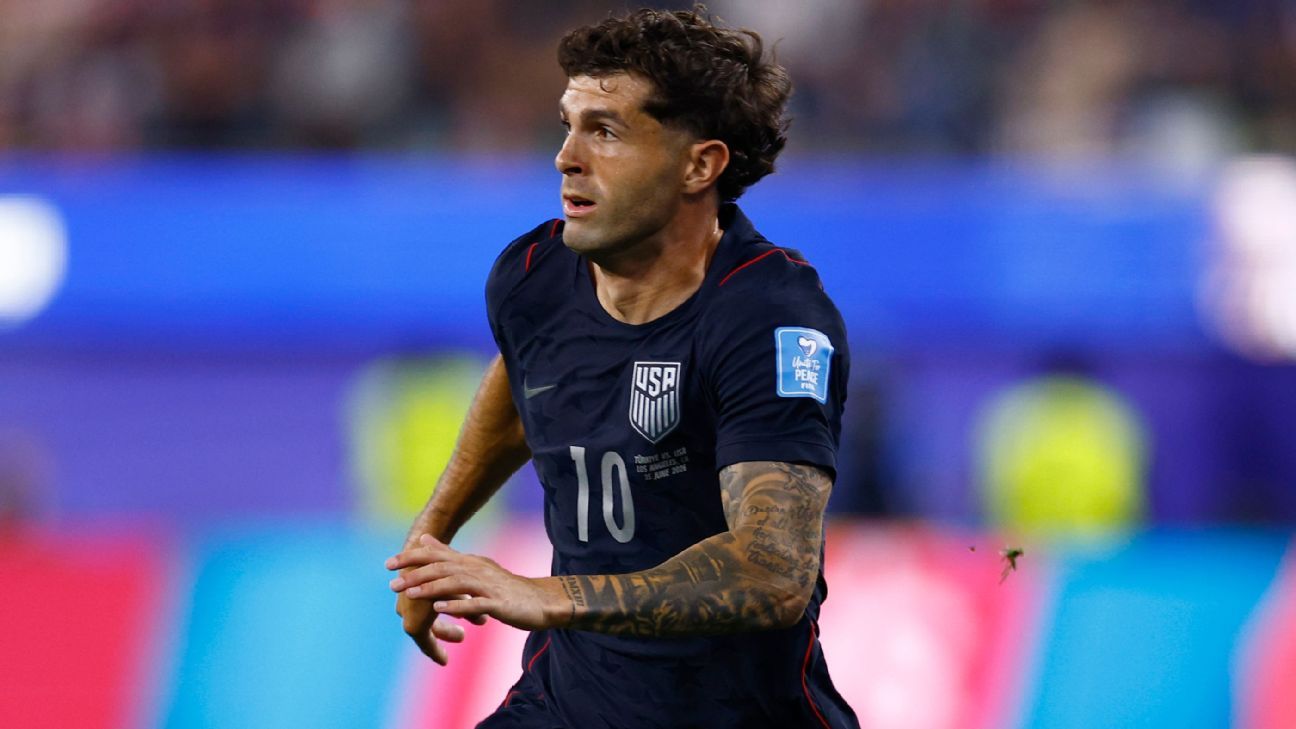
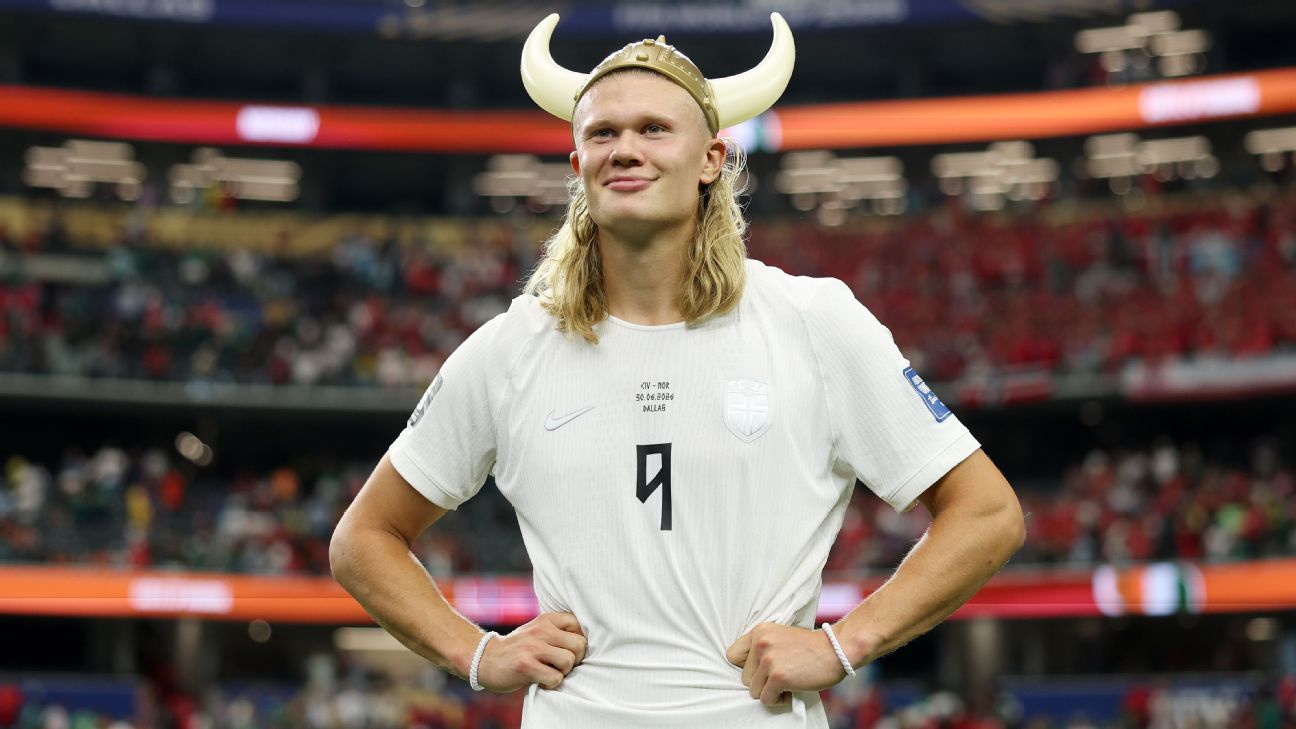
Every World Cup doubles as an unofficial audition reel for club football’s biggest names. Supporters who follow the Premier League, La Liga, the Bundesliga or Ligue 1 arrive at a tournament like this with strong opinions already baked in. But international football has a habit of reshuffling the deck. The player who looked unstoppable in club colours can go strangely quiet on the world stage, while someone written off as a squad filler can suddenly announce themselves to a billion viewers.
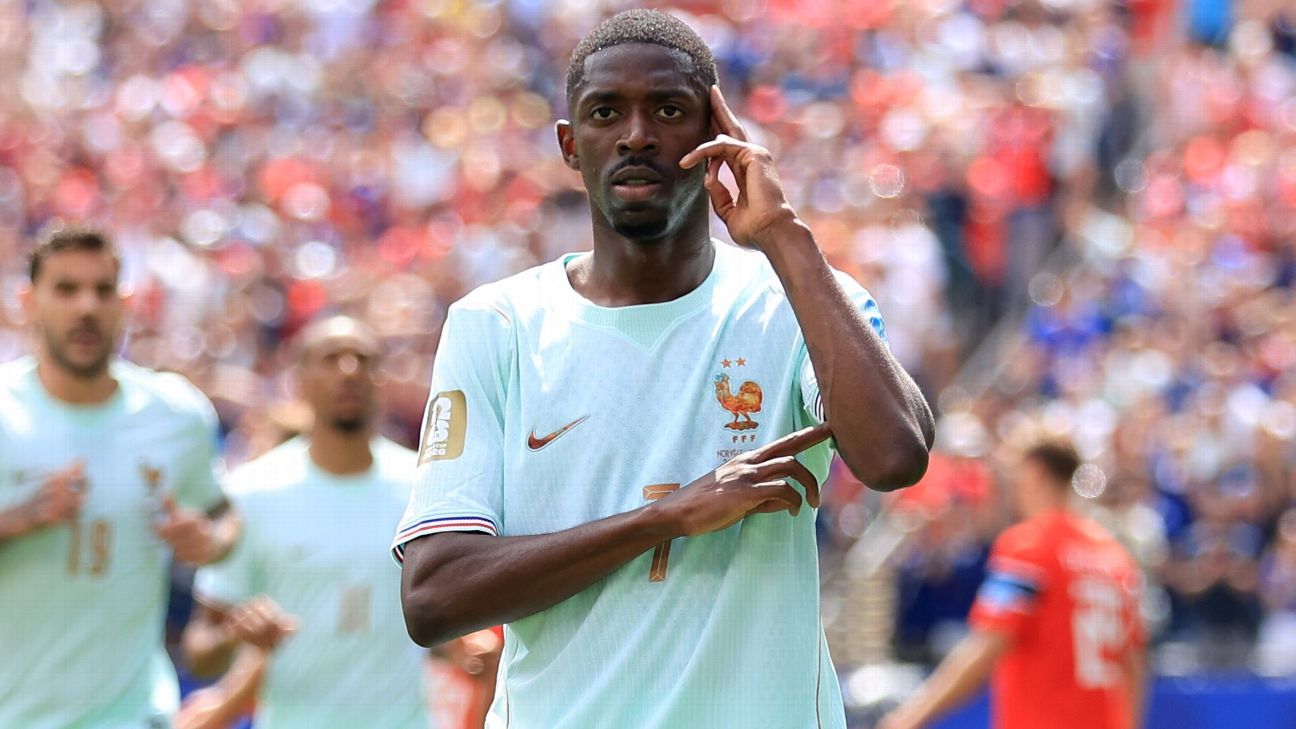
Bayern Munich, Real Madrid and PSG are the clubs whose players always attract the most scrutiny at a World Cup. They carry the weight of expectation that comes with being the biggest brands in club football. When their stars perform, it feels like confirmation of an established order. When they disappoint, the discourse goes global — and loud. For South Asian football fans scattered across Melbourne, Manchester, Toronto and Karachi, these clubs carry enormous emotional weight, often functioning as a second identity when a home nation is not competing.
But the more interesting conversation after the group stage is always about the clubs nobody expected to dominate the individual performance charts. Tournament football strips players back to basics — no tactical safety net of a familiar system, no months of pre-season chemistry. What survives is raw quality and mentality. That is why some of the standout performers at previous World Cups have come from clubs outside the traditional European elite, players who used the tournament to earn a move they had been dreaming of for years.
For the global South Asian diaspora watching this World Cup, the club rankings conversation hits differently. Many fans in this community support European giants through television, social media and generational loyalty rather than geography. A Bayern or Real Madrid player delivering on the world stage feels personal, like vindication of a lifelong allegiance. But there is also genuine joy when a player from a smaller club, perhaps from an Asian or African nation, forces his way into the conversation through sheer performance. That kind of story travels fast in diaspora communities.
What the group stage rankings reveal is not just who performed well — they reflect which clubs are currently building squads with genuine international depth rather than just headline names. A club can have the most famous attackers in the world, but if its defenders and midfielders crumble in tournament conditions, the numbers will tell that story honestly.
The knockout rounds will be the real test. Group stage form is a snapshot, not a verdict. Players who looked sharp through three games now face the pressure of elimination football, where one mistake can end everything and one moment of brilliance can define a career. The club rankings will shift, reputations will be made and broken, and by the time the final whistle blows in the last match, the picture will look very different from what we see today.
So here is the question for FilmiTalk readers — which club do you think has the best collective player performance at this World Cup, and has it changed how you feel about following them next season?