Mateus Fernandes and the World Cup Dreams Behind the Deal
FilmiTalk Take
Transfer moves made today quietly write the World Cup squad stories of tomorrow — and for a nation like Portugal, every midfield decision carries tournament-level weight.
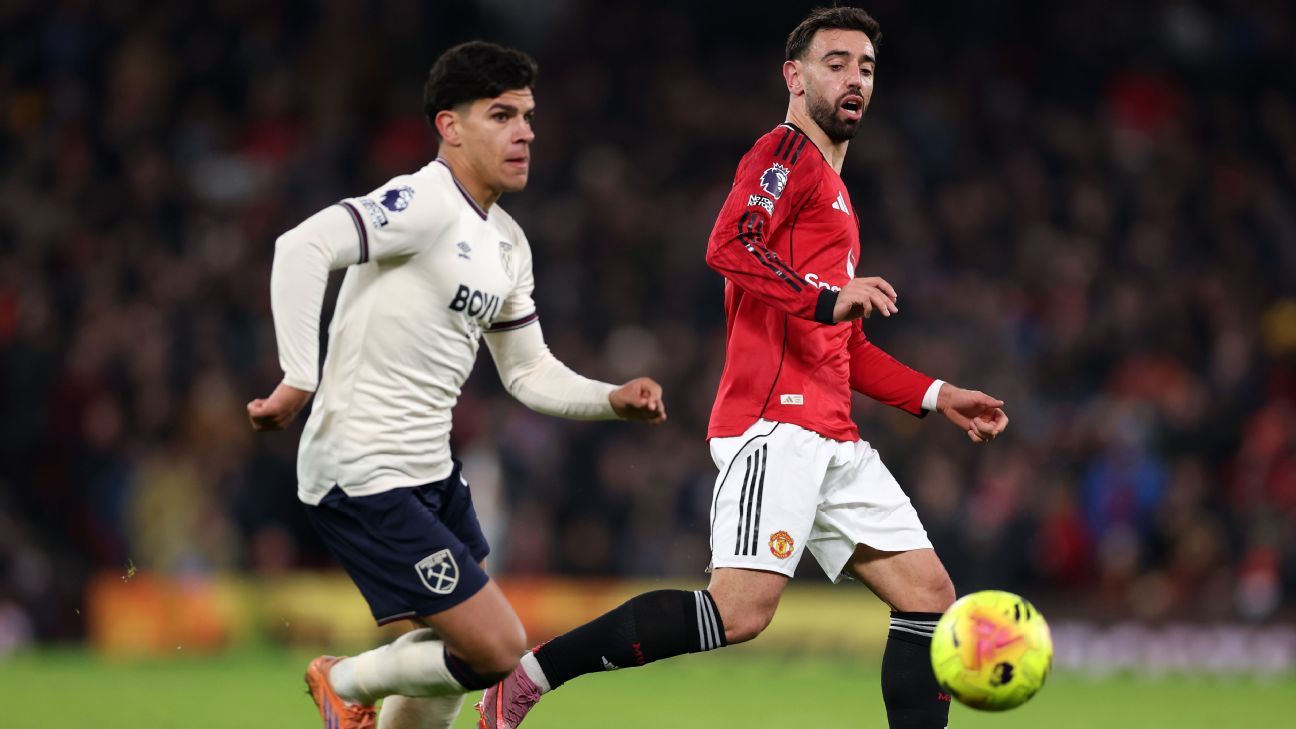
In football, the transfer window and the World Cup are never truly separate conversations — and the ongoing pursuit of West Ham’s Mateus Fernandes by Manchester United is a perfect reminder of that truth.
For those tracking the Portuguese midfielder’s journey, this is not just about club football ambitions. When a young player of Fernandes’ profile moves to a club the size of Manchester United, the spotlight that follows can accelerate an international career in ways that smaller clubs simply cannot offer. More minutes, more visibility, more pressure — and more opportunity to catch the eye of a national team coach with a World Cup squad to fill.
Portugal are one of the most eagerly watched teams on the planet, and their midfield is one of the most competitive and debated positions heading into FIFA World Cup 2026. With the tournament set to be held across the United States, Canada and Mexico, the stakes for every player in the Portuguese setup are enormous. A move to Old Trafford — if it materialises — would place Fernandes in the global conversation in a completely different way than remaining in the Premier League’s mid-table.
For South Asian football fans, this kind of transfer story hits differently. Whether you are watching from a living room in Lahore, a café in Birmingham, a lounge in Toronto or a sports bar in Sydney, Manchester United remain one of the most followed clubs in the world across our communities. The Red Devils carry enormous cultural weight in South Asia — generations of fans grew up idolising the club, and every major signing feels personal. A new face arriving at United is not just a squad update; it is a new name to argue about at family gatherings and a new shirt to consider buying.
The fact that United have not given up on this deal despite what appears to be continued back-and-forth tells you something about how the club views the position. Midfield has been a recurring puzzle at Old Trafford for several years now, and finding the right profile — technically sharp, physically capable, with room to grow — is something the club has chased with mixed results. Fernandes, still developing as a professional, represents exactly the kind of investment that could either look inspired or frustrating depending on how his adaptation to a bigger club environment unfolds.
From a World Cup culture perspective, moves like this matter because they shape the stories we follow during the tournament itself. When June 2026 arrives and squads are named, fans will look back at the transfer decisions made now and trace the threads. Did this move give a player the platform he needed? Did it push him out of a comfortable role and into something he was not ready for? These are the questions that make football so endlessly compelling as a human drama — not just a sport.
Manchester United’s pursuit of Mateus Fernandes may or may not end with a deal, but the conversation around it reflects something bigger: the way club ambitions and international dreams are permanently intertwined in modern football. So here is the question worth sitting with — if Fernandes does make the move to Old Trafford, do you think it strengthens or complicates his path to featuring for Portugal at World Cup 2026?