Gakpo Faces Heartbreak Beyond the Pitch
FilmiTalk Take
Gakpo's heartbreak is a sobering reminder that World Cup stars carry lives far heavier than any match result. The outpouring of support from fans globally shows football's capacity for compassion when it truly matters.
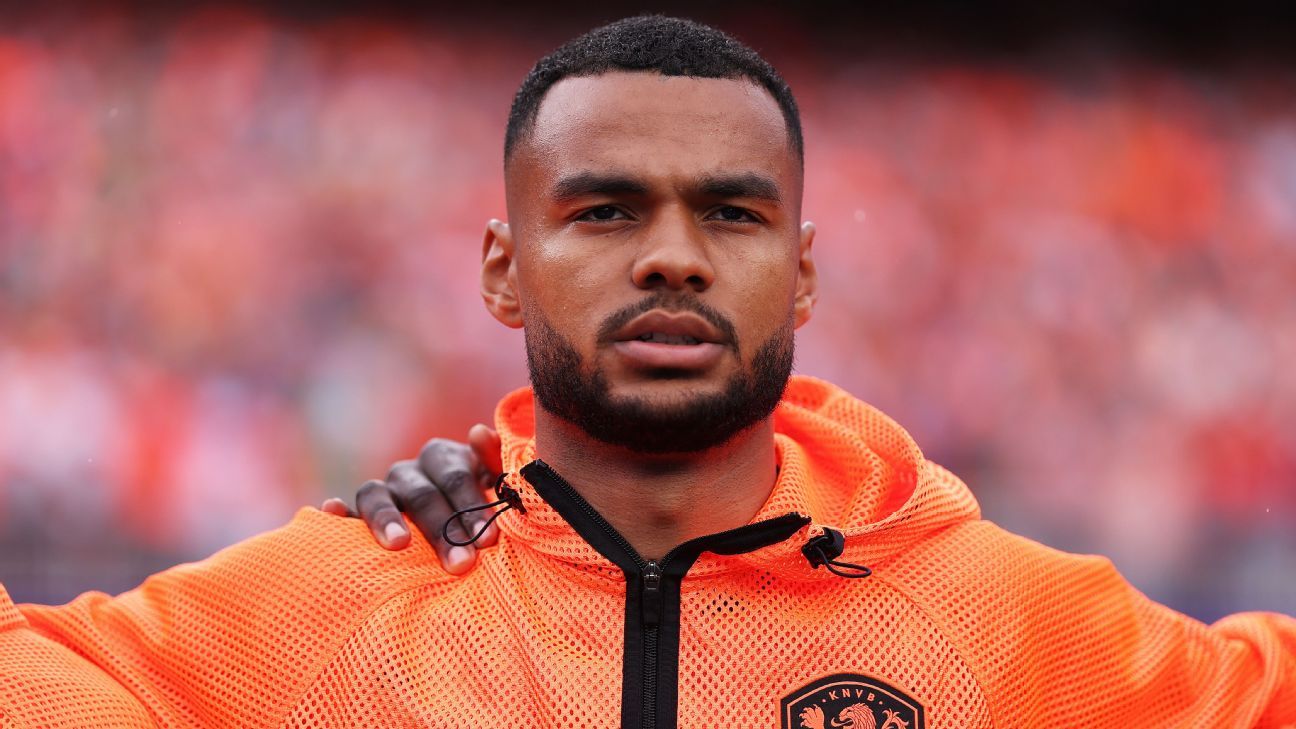
There are moments in football when the sport steps back and reminds you that the men on the pitch are human beings first, athletes second. This is one of those moments. Netherlands forward Cody Gakpo and his partner are going through a pain that no trophy, no tournament run, and no amount of fan support can touch — the loss of their unborn son, announced publicly on Saturday.
Gakpo has been one of the most watched forwards in world football over the past two years. His rise from PSV Eindhoven to Liverpool, and now to leading the Dutch attack on the international stage, has made him a household name across football-loving communities globally. South Asian fans in particular — many of whom follow the Premier League religiously and have adopted Liverpool as a second religion — will know exactly who Cody Gakpo is. He is not a peripheral figure. He is a star. And right now, he is grieving.
What makes this moment so quietly devastating is the timing. International tournaments demand everything from a player — mental sharpness, physical peak, emotional presence. Gakpo is expected to be a key creative force for the Netherlands, a side with genuine ambitions in this World Cup cycle. But none of that matters against the backdrop of what he and his family are experiencing. Pregnancy loss is one of the least spoken-about forms of grief, often suffered privately and without the acknowledgment it deserves. The fact that his partner chose to share this publicly speaks to a desire for community, for compassion, and perhaps for the world to simply pause for a second.
The response from football fans across social media has been, by and large, exactly what you would hope for — respectful, warm and human. In an era when footballers are routinely reduced to fantasy team assets or transfer market commodities, moments like this cut through the noise. Dutch fans, Liverpool supporters and neutral football lovers alike have been sending messages of support. That collective empathy is one of the things football, at its best, can still produce.
For the South Asian diaspora, where family is so deeply central to identity and where the loss of a child — born or unborn — carries enormous emotional and cultural weight, this story will land differently than a tactical update or a squad selection debate. Grief is universal, but certain communities feel it with a particular depth that makes news like this resonate beyond the sports pages.
There is no commentary to be made about what happens next on the pitch. That is irrelevant right now. What matters is that a young man and his partner are hurting, and the world of football — fans, clubs, commentators — has a chance to show that it knows how to respond with grace. The beautiful game has often struggled with empathy. This is a quiet test of whether that is changing.
As the World Cup builds in intensity and the football world watches every pass and every goal, it is worth asking — how do we, as fans, hold space for the full humanity of the players we cheer for, not just in moments of triumph but in their darkest hours?