Eetha Title Row: Does Shraddha’s Biopic Owe Vithabai Her Name?
FilmiTalk Take
When a subject's own family and cultural institutions question a biopic's title, the filmmakers owe the public — and the legacy — more than silence. Maddock Films should address this with the respect Vithabai Narayangaonkar's story clearly deserves.
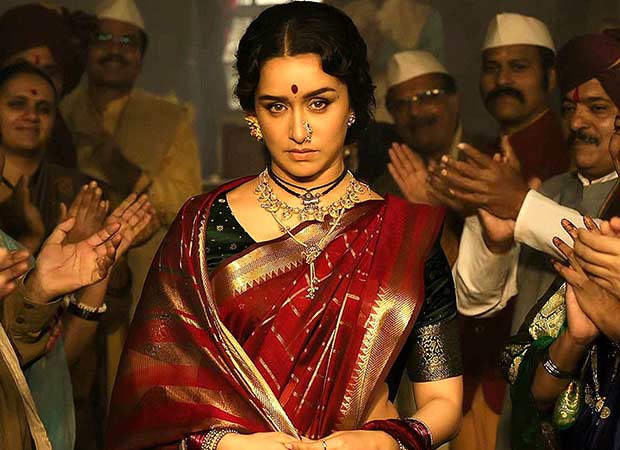
A film hasn’t even reached cinemas yet and it’s already navigating choppy waters — that’s the situation Maddock Films and director Laxman Utekar find themselves in with Eetha, their upcoming biographical drama starring Shraddha Kapoor as the legendary Lavani and Tamasha artist Vithabai Narayangaonkar.
The controversy centres on one seemingly simple question: if you’re making a biopic about one of Maharashtra’s most celebrated folk icons, why wouldn’t you name the film after her? The NCP’s Film and Cultural Department has been vocal about this, suggesting alternatives like Vitha or Vithabai as far more fitting tributes. And now, Vithabai’s own family — her sons Kailash and Rajesh, along with grandson Mohit — have added their voices to the chorus, expressing genuine disappointment that the film doesn’t carry her name.
This is where things get culturally layered and genuinely interesting. Lavani and Tamasha are art forms that have historically been marginalised in mainstream discourse, often reduced to caricature in commercial Hindi cinema. Vithabai Narayangaonkar spent her life elevating these traditions with dignity and mastery. For her family, having her name front and centre on a major Bollywood production isn’t vanity — it’s a matter of legacy and respect for a woman who gave everything to her craft. The argument carries real weight.
From the production side, one can understand the commercial logic of choosing a single evocative word like Eetha over a longer name. Bollywood has a long history of giving biopics titles that aren’t the subject’s name — think Gangubai Kathiawadi, which did use the subject’s name and became iconic for it. The fact that Gangubai is now considered a benchmark for women-centric biopics in Hindi cinema might itself make a case for why names matter in this genre. The comparison won’t be lost on audiences.
What makes this more than just a PR headache is the silence from the makers. Neither Laxman Utekar nor Maddock Films have responded publicly, which in today’s social media climate is a choice in itself. Fans and cultural commentators online are already split — some feel the title row is an overreaction to what looks like a genuinely moving teaser, while others believe the family’s sentiment deserves more than silence. Shraddha Kapoor herself, who by all accounts has delivered an extraordinary physical and emotional performance, hasn’t weighed in either.
The teaser has done its job impressively — Shraddha’s transformation is striking, and the dramatic sequence of her character performing Lavani while in labour has already generated significant buzz. It reads as an unflinching portrayal of a woman who refused to let anything, not pain, not societal pressure, not even childbirth, come between her and her stage. That kind of storytelling deserves to be attached to the name of the real woman who inspired it.
For the South Asian diaspora in Australia, the UK, the US, and Canada, biopics like Eetha represent something beyond entertainment — they’re often the first real introduction to folk traditions and unsung icons that weren’t covered in school history books. That makes the title debate even more relevant. Whether Maddock Films chooses to reconsider or hold firm, this conversation has already done something valuable: it’s put Vithabai Narayangaonkar’s name on people’s lips globally. So here’s the question worth asking — do you think a biopic has a responsibility to carry the subject’s name, or does it not matter as long as the story is told with honesty and respect?