Karma Nu Rahasyam Is Breaking Every Rule of Gujarati Cinema

FilmiTalk Take
Karma Nu Rahasyam forces a real conversation about creative freedom in regional cinema, but the subsidy structure means this kind of bold move is likely to remain an exception rather than a trend.
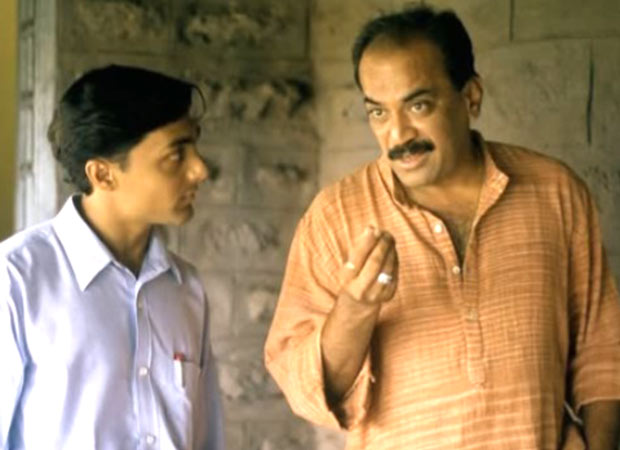
Gujarati cinema has long been the wholesome, chai-and-gathiya corner of Indian regional filmmaking — rooted in family values, light comedy, and cultural pride. So when a film comes along dropping uncensored expletives and getting a clean pass from the CBFC without a single mute, you know something genuinely unusual is happening. Karma Nu Rahasyam is that film, and it is causing quite the stir.
Directed by Asif Silavat and produced by Karan Singh Tomar, the film is reportedly inspired by real-life events and carries a distinctly darker, grittier tone than what Gujarati audiences are used to seeing on the big screen. The trailer features characters using language that would make even seasoned Bollywood fans raise an eyebrow — words that have typically landed filmmakers in CBFC negotiations for years. Yet here, the board passed them through without requesting a single cut on the dialogue front. That is a significant moment, not just for this film, but for how certification norms are being applied across regional cinema.
The reaction within the Gujarati film industry tells you everything. Some insiders are genuinely appalled, calling it cheap shock tactics that go against the cultural identity of the industry. And honestly, that perspective deserves respect — regional cinema often draws its strength precisely from its distinctiveness. Gujarati films have carved out a loyal, multigenerational audience by staying true to a certain sensibility. Breaking that mould so abruptly, and so loudly, is always going to ruffle feathers.
But there is another side to this conversation. Hindi films and web series have normalised explicit language to the point where audiences barely flinch. The OTT era essentially threw the rulebook out the window, and younger South Asian viewers globally — whether in Sydney, Toronto, or Birmingham — have grown up consuming content where raw, unfiltered dialogue is considered more authentic than sanitised storytelling. The question was never really if this would reach regional cinema, but when. Karma Nu Rahasyam may simply be the first Gujarati film bold enough to say: when is now.
What is particularly interesting is the financial angle. Gujarat’s state government offers subsidies to films with U or U/A certificates, meaning adult-rated films effectively walk away from government money by going this route. Most Gujarati filmmakers are unlikely to sacrifice that financial safety net just to keep a few colourful words intact. So while Karma Nu Rahasyam may be a cultural flashpoint, it is unlikely to trigger a wave of imitators anytime soon. The economics simply do not support it.
The film stars Uttsav Naik, Prince Limbadia, Bansi Rajput, and Sapna Vyas among others, and clashes at the box office this week with Alpha — a much bigger commercial release. Its positioning as a true-story-inspired, adult-rated regional film in that crowded release window is either very brave or very calculated. Perhaps both. For diaspora audiences who have grown up watching Gujarati films at community events and cultural festivals, this one will feel genuinely jarring in the best possible way.
Whether Karma Nu Rahasyam becomes a bold new chapter in Gujarati cinema or a cautionary tale about chasing shock value over substance, it has already done something remarkable — it has people talking. So here is the question worth asking: should regional Indian cinema be allowed to evolve on its own terms, even if that means leaving tradition behind?