Guardiola’s Shadow: How Club Legacies Shape World Cup Nations
FilmiTalk Take
Managerial legacies built at elite clubs quietly shape how nations perform at World Cups — and the Guardiola-to-Maresca succession story is a sharp reminder that football philosophy travels far beyond any one stadium.
Football at the highest level is never just about what happens on the pitch — it is about the ideas, the systems, and the managerial philosophies that echo long after a coach has packed his bag and moved on.
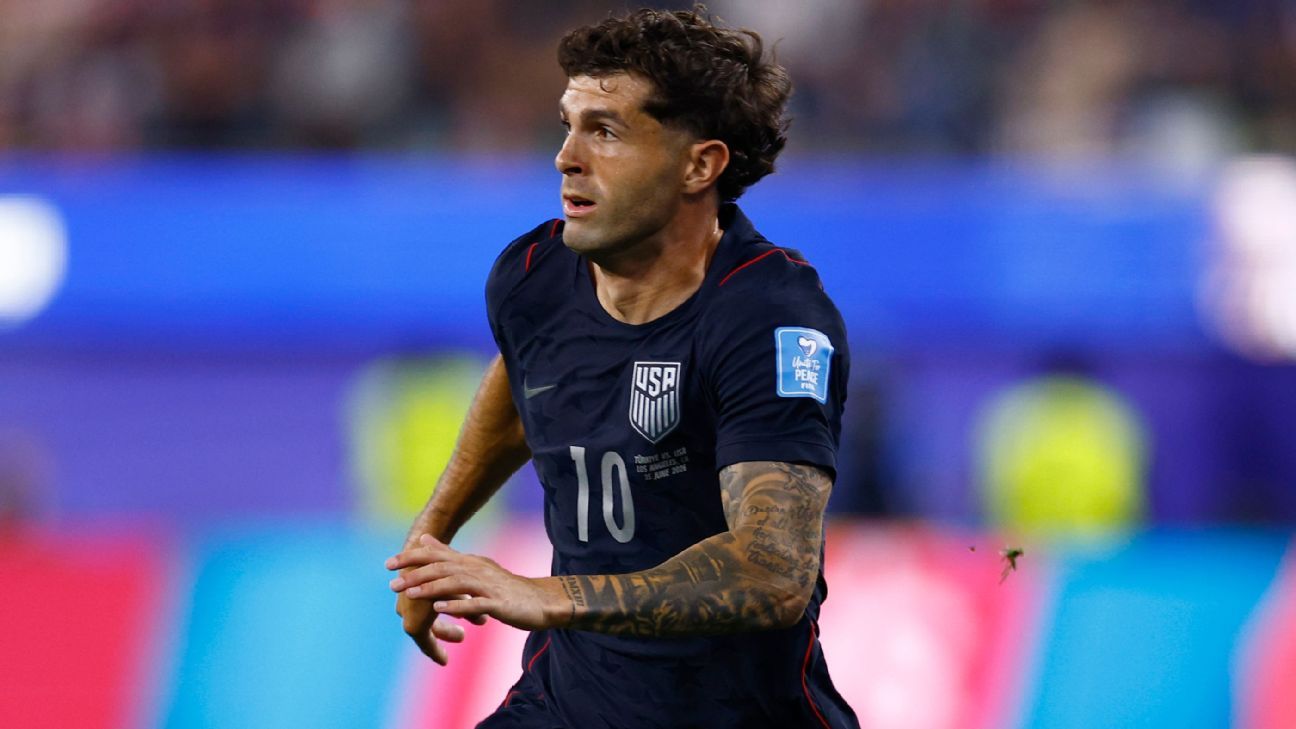
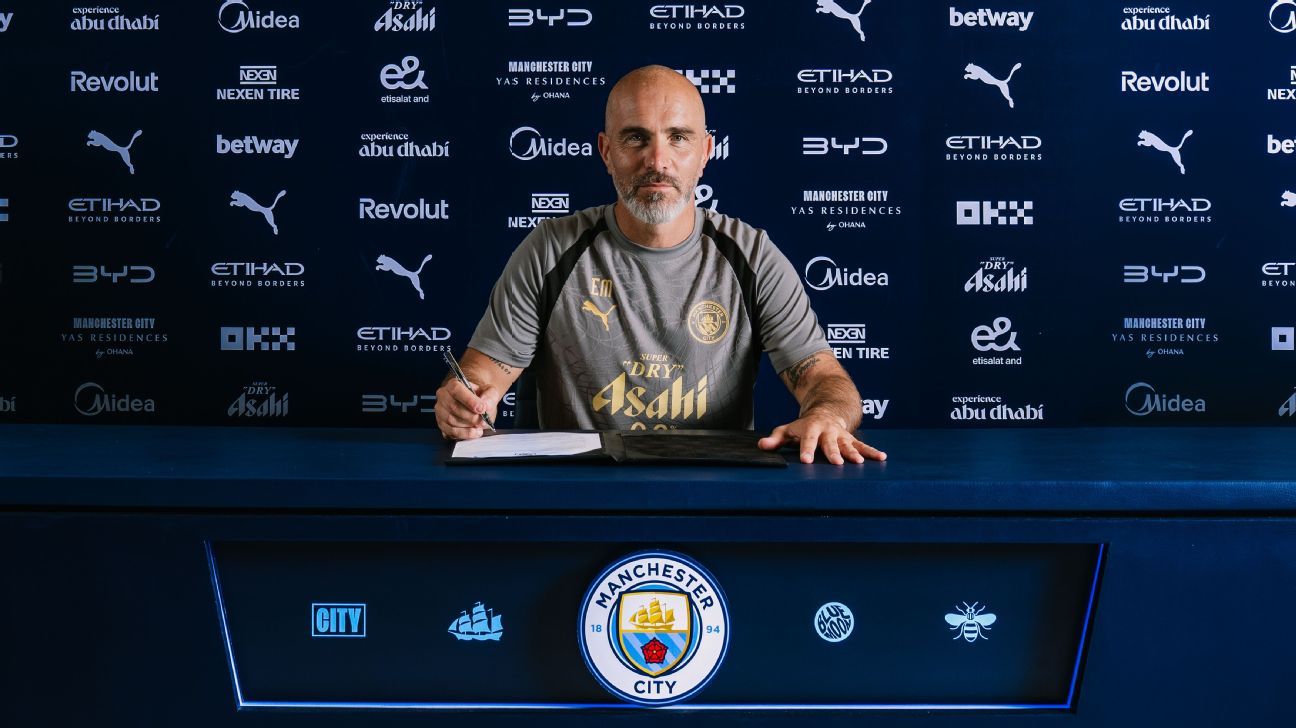
The story of Enzo Maresca being positioned as a long-term successor to Pep Guardiola at Manchester City is fascinating not just as a piece of club transfer gossip, but as a window into how modern football thinks about continuity. Guardiola is arguably the single most influential manager of his generation, and his methods have shaped how entire national squads approach the game. Players who have spent years in his systems — learning positional play, high pressing, fluid transitions — carry that DNA into international football. When you watch Spain, Argentina, or even England at a World Cup, you are often watching a patchwork of ideas that trace back to coaches exactly like Guardiola.
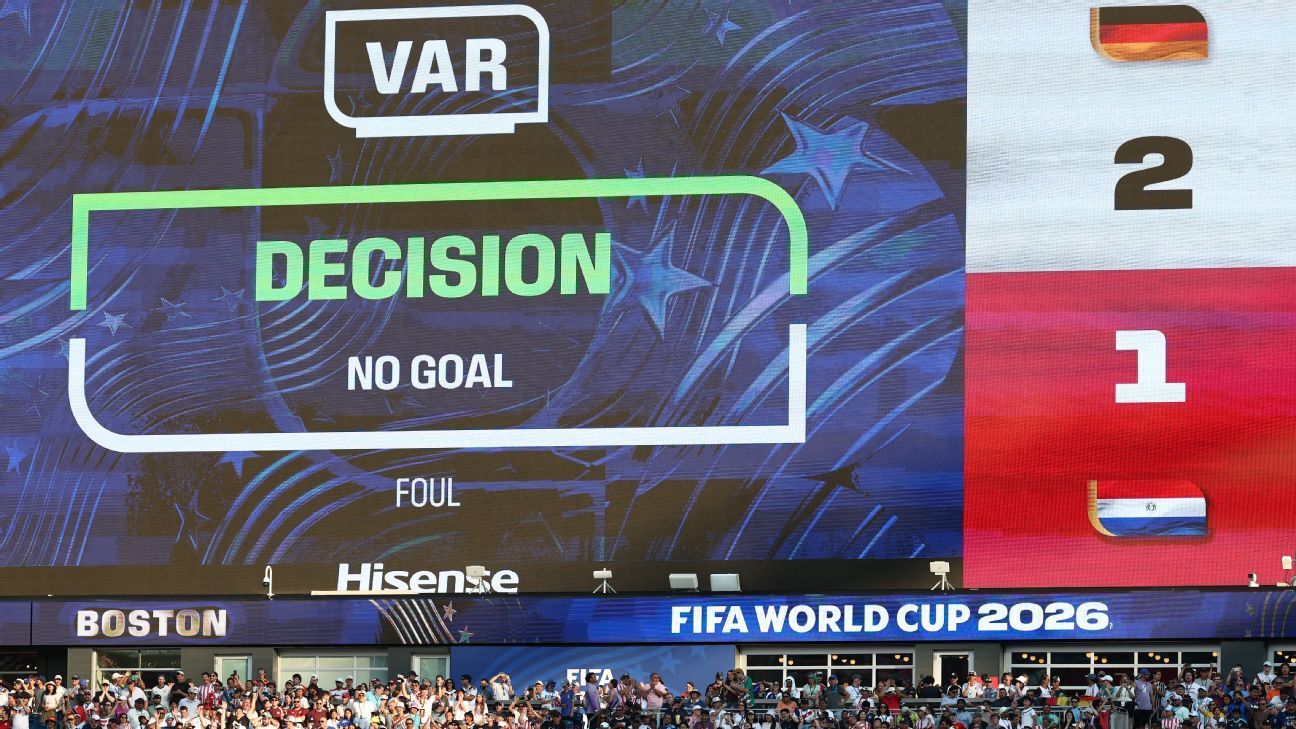
This is what makes the Maresca conversation matter beyond the Premier League bubble. If City deliberately groomed Maresca as an heir to that philosophy, it tells us something important about where the tactical conversation in world football is heading. The systems that dominate club football inevitably bleed into national team setups. The players who thrive under possession-based, detail-obsessed managers arrive at tournaments like FIFA World Cup 2026 with a very specific footballing language already burned into their muscle memory.
For South Asian football fans — whether watching from Sydney, Birmingham, Toronto, Karachi or Mumbai — the intrigue of World Cup 2026 goes well beyond the ninety minutes. The diaspora audience that FilmiTalk speaks to understands this instinctively. Many of us grew up supporting clubs thousands of miles away, learning to love football through its philosophy as much as its goals. The idea that a manager’s vision can outlast his own tenure, can be passed down like a baton in a relay race, is something fans who have followed Guardiola’s journey from Barcelona to Bayern to City deeply appreciate.
Chelsea’s apparent shift away from the Maresca model since his departure adds another layer to this story. It is a reminder that not every club has the patience or the structure to sustain a coherent footballing identity across managerial changes. That patience — or lack of it — defines whether a club produces World Cup-ready players or merely expensive ones. The nations that consistently punch above their weight at World Cups tend to be those whose domestic leagues have sustained a clear footballing identity over time.
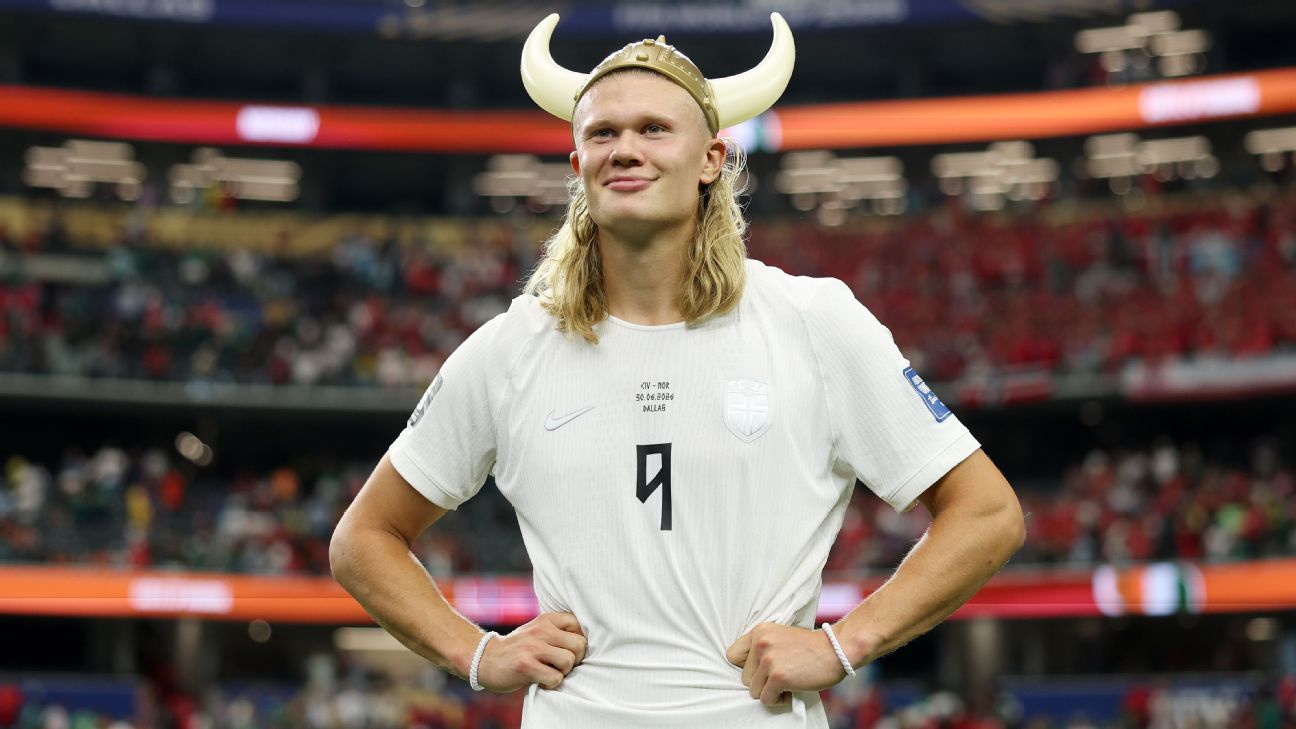
With World Cup 2026 expanding to 48 teams and spreading across the United States, Canada and Mexico, the philosophical battle between different styles of football is going to be louder and more visible than ever. More nations, more stories, more tactical variety — and behind every national team, the fingerprints of the club managers who shaped their best players.
The real question for football lovers heading into 2026 is this: in an era where managerial philosophies travel faster than ever, which national team do you think carries the clearest, most coherent footballing identity into the tournament — and does it trace back to one iconic club manager?