Jiménez: From Life Support to World Cup Hero for Mexico
FilmiTalk Take
Jiménez's presence at a home World Cup is one of the most emotionally resonant stories of the entire tournament, reminding fans everywhere that sometimes surviving is the greatest form of winning.
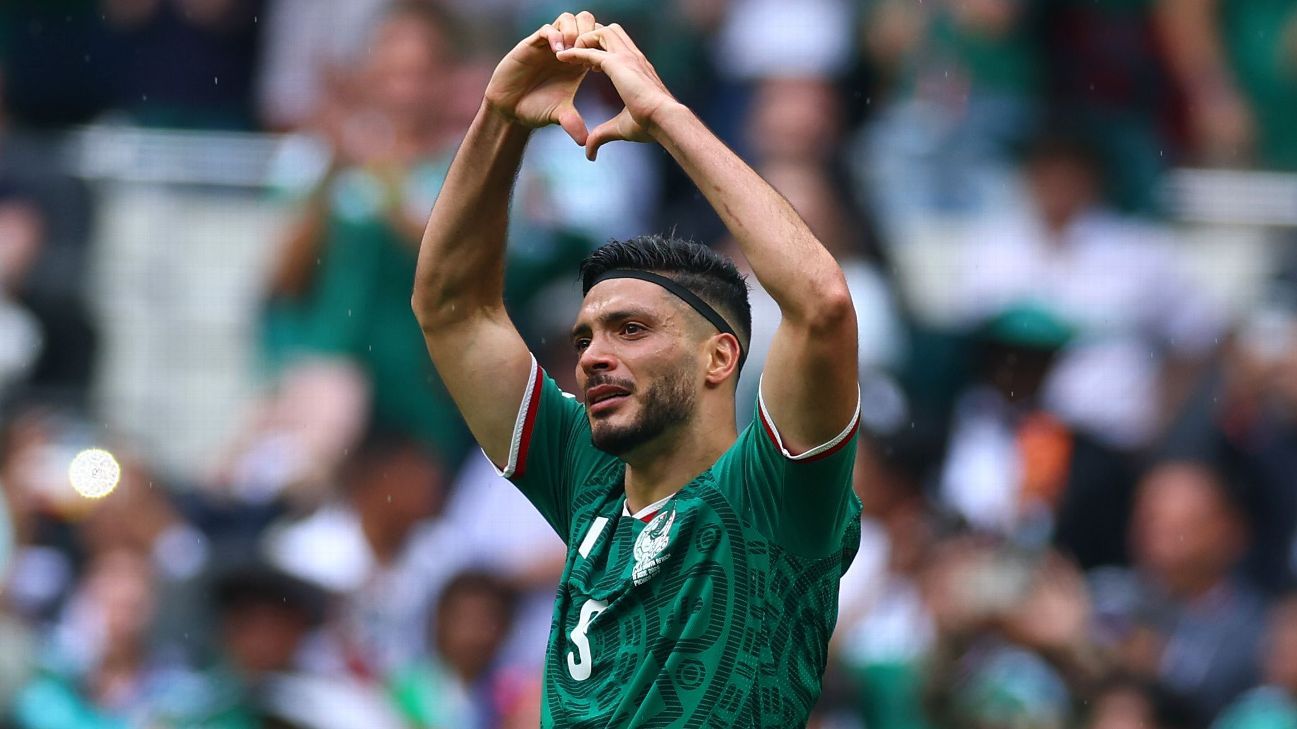
Some footballers chase World Cup glory. Raúl Jiménez simply chased the chance to be alive long enough to play in one.
Six years ago, a horrific skull fracture left the Mexican striker in a situation far more serious than any football result could ever be. This was not a hamstring tear or a ruptured ligament. This was a man fighting for his life on an operating table. The fact that he is now leading Mexico’s attack at a home World Cup is not just a sporting comeback — it is something that sits in a completely different category of human stories.
For Mexican fans, and for the enormous Mexican diaspora spread across the United States, Canada, Australia and beyond, Jiménez represents something deeply personal. Mexico’s relationship with football is not casual. It is woven into family gatherings, street culture, national identity and the kind of emotion that does not need a translator. When El Tri takes the field on home soil in 2026, with Jiménez leading the line, the weight of that moment will be felt from Mexico City to Manchester to Melbourne. The green shirts in the stands will not just be cheering a footballer. They will be cheering a man who came back from the edge.
There is also a broader tournament conversation happening around this story. Mexico co-hosting the 2026 World Cup alongside the United States and Canada adds a layer of meaning that is almost cinematic. Playing at home, in front of your own people, after surviving what Jiménez survived — this is the kind of narrative that even the most casual football fan can connect with. You do not need to know his assist statistics or his Premier League goal record to understand why this matters.
The South Asian football community, which has grown significantly in its passion for international football through the Premier League and Champions League culture, knows Jiménez well. His years at Wolverhampton Wanderers made him a familiar face in living rooms across Pakistan, India and the diaspora in Britain. There will be fans in Birmingham, Bradford and Brampton who watched his injury happen in real time and felt that sickening silence that falls when a player does not get up. Seeing him at a World Cup on the grandest stage feels like a personal resolution to something that was left unfinished.
What makes this story land so hard is that football is full of comeback narratives, but most of them are about form, fitness or confidence. Jiménez’s story is about something far more fundamental. It is about mortality, recovery and the stubborn refusal to let the worst moment of your life also be your last footballing moment. That is a story that resonates far beyond the touchline.
Mexico will face serious competition at this tournament, and no one is handing El Tri anything simply because the emotion is on their side. But sport has always had a soft spot for the stories that remind us why we watch in the first place. Jiménez carries one of those stories into every match he plays in 2026.
So here is the question worth sitting with: if you could write the perfect World Cup moment for Raúl Jiménez this summer, what would it look like — and do you believe football is capable of delivering it?