Balogun and the Nigerian Diaspora Stars at World Cup 2026
FilmiTalk Take
Nigeria's absence from World Cup 2026 hurts, but the diaspora generation ensures Nigerian football DNA is all over the tournament — it is a moment that forces fans to redefine what supporting your nation's football actually means.
Nigeria did not make it to the 2026 FIFA World Cup, but the Super Eagles’ absence from the biggest tournament in football history does not mean Nigerian football is absent from it.
For the first time, the World Cup expanded to 48 teams, and Africa was allocated a record 10 slots. Yet the five-time African champions could not secure one of those berths — a painful reality for one of the continent’s most passionate footballing nations. The hurt is real. Nigerian fans who had circled this tournament on their calendars, dreaming of watching the Super Eagles on the grandest stage of them all, were left without a team to follow in the traditional sense.
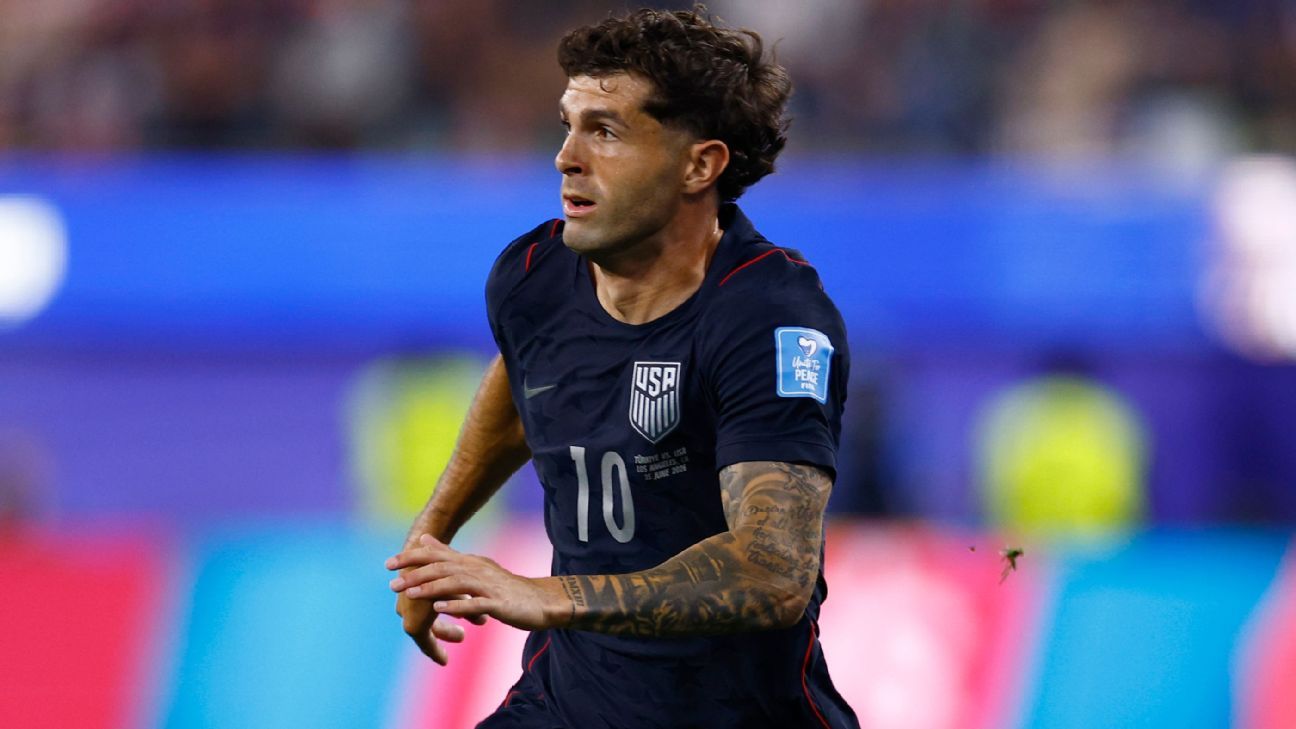
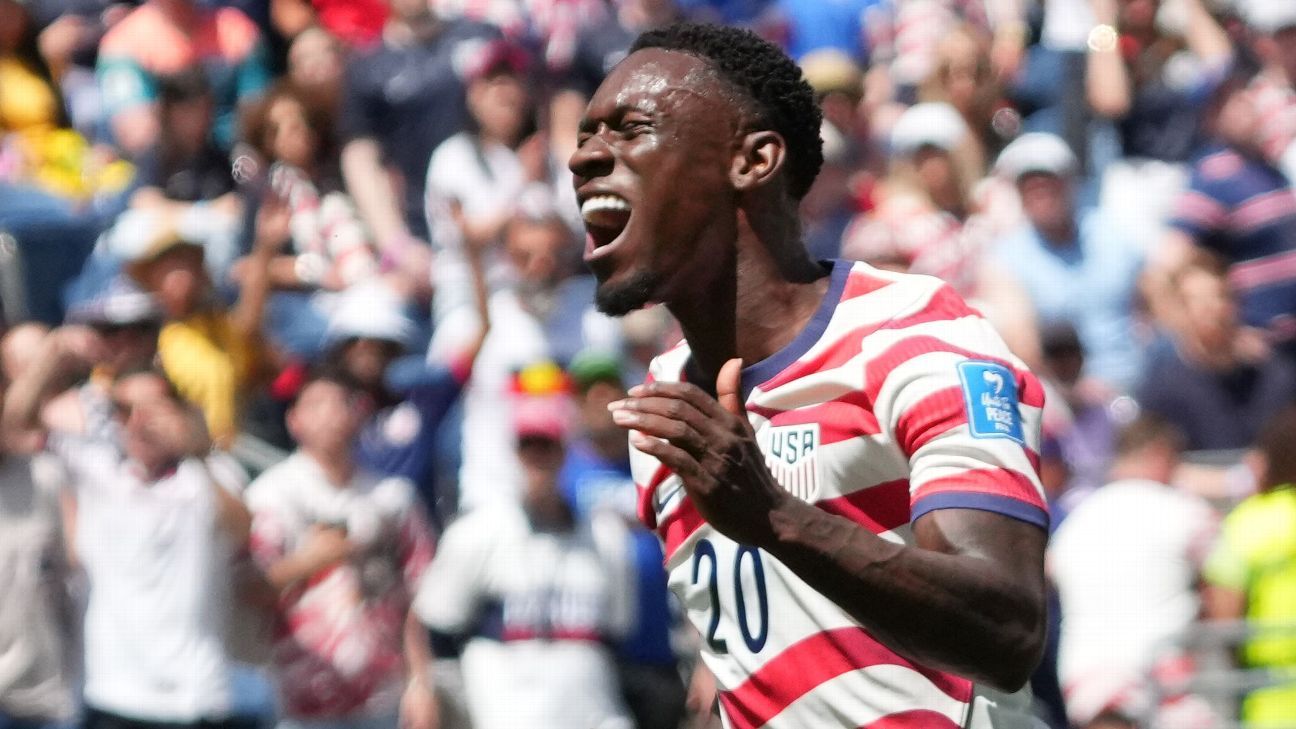
But football, especially in 2026, refuses to be contained by borders. A wave of players with Nigerian heritage — born or raised in Europe and North America — are representing their countries of citizenship at this World Cup. Folarin Balogun, the forward who chose the United States over Nigeria, is among the most high-profile names carrying that dual identity into the tournament. He is far from alone. The Nigerian diaspora is vast, stretching from London to Los Angeles, from Paris to Toronto, and it has produced footballers who now wear the colours of England, France, the USA and beyond.
This is a story that resonates deeply with South Asian audiences too. The experience of watching your heritage nation miss out, while players who could have represented them shine elsewhere, is a familiar emotional tension for diasporic communities everywhere. Pakistani fans know this feeling. Indian football supporters know it. The question of identity — who you play for, who you support, and what that choice means — is one that crosses cultures and continents. When Balogun pulls on an American jersey, Nigerian fans in Lagos, London and Sydney each have their own complicated feelings about it.
For the global Nigerian community, this World Cup becomes something more layered than simple support for one flag. Some will cheer for Balogun and the United States. Others will back nations where their favourite Nigerian-heritage players line up. Social media is already alive with that exact debate — threads about loyalty, belonging and what it means to represent. It is the kind of conversation that only football can spark at this scale, and it is happening in living rooms from Abuja to Atlanta.
The broader picture here also asks a harder question of Nigerian football itself. With 48 teams at the party and Africa given more seats than ever before, failing to qualify is a significant moment of reflection for the country’s football federation. The talent is clearly there — the diaspora proves that every week in Europe’s top leagues. The gap between raw talent and organised, qualifying-campaign football is a conversation Nigerian supporters will be having long after this tournament ends.
For now, though, the spotlight is on the players — and there are plenty of them with Nigerian roots running through their veins, competing under different flags but carrying a shared heritage onto the world’s biggest stage. That story, of football and identity colliding in the most watched sporting event on earth, is worth following closely.
Which Nigerian-heritage player are you most excited to watch at World Cup 2026 — and does it feel like a complicated kind of pride, or a straightforward one?