Germany’s World Cup Dream Is Over. Now What?
FilmiTalk Take
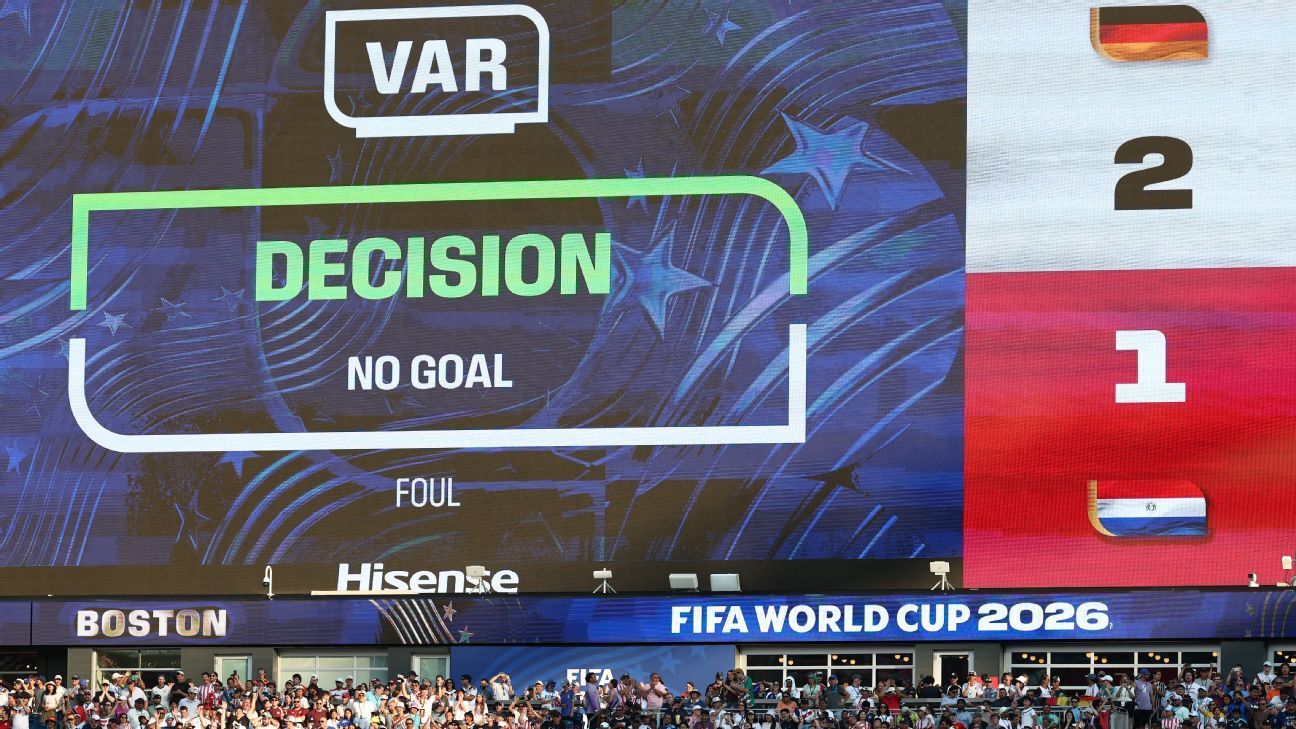
Germany's exit at the hands of Paraguay is more than a shock result — it is confirmation that the old World Cup order is genuinely broken, and no shirt carries automatic authority anymore.
Some eliminations feel like upsets. This one feels like a verdict.
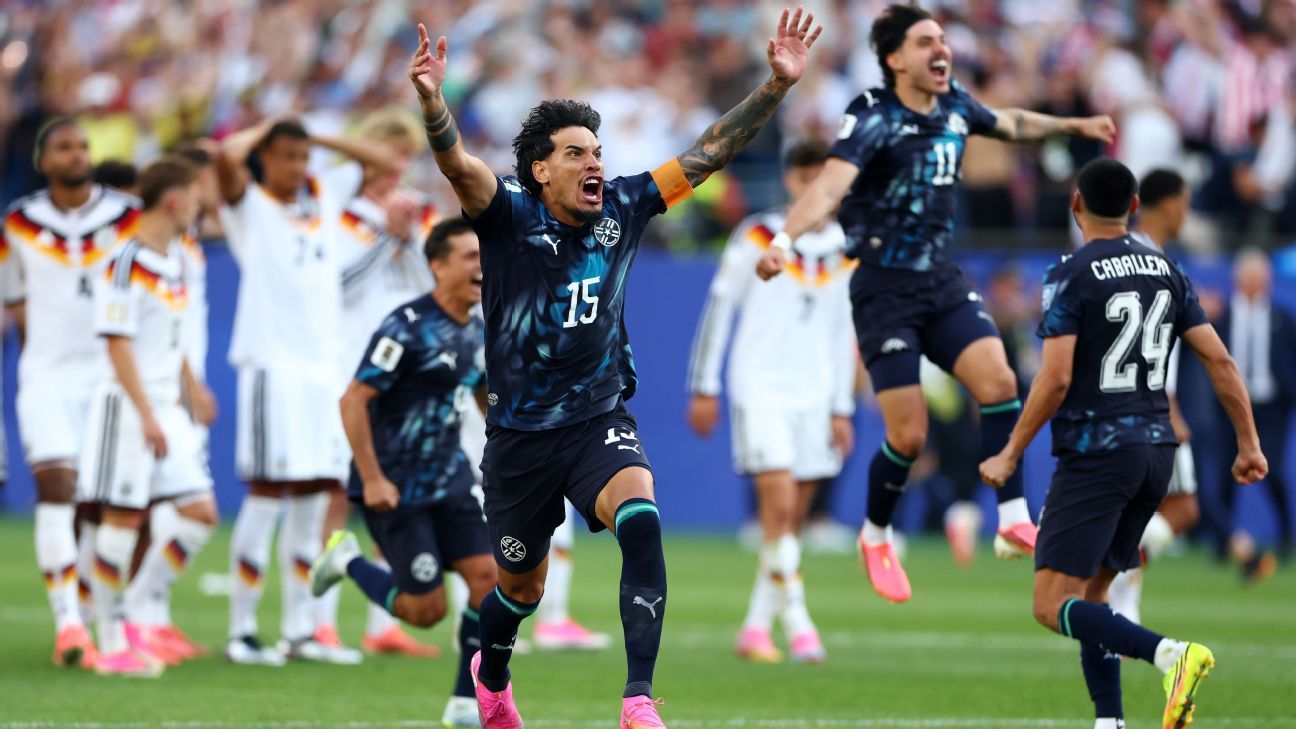
Germany — four-time World Cup winners, the team that once demolished Brazil 7-1 on home soil, the side that has defined tournament football for generations — have been knocked out of the 2026 World Cup by Paraguay. Not stumbled. Not unlucky. Knocked out. By a South American side they reportedly expected to be uncomfortable but manageable. Paraguay, it turns out, had very different ideas.
The phrase ‘uncomfortable opponent’ is the kind of thing you say before a match when you want to sound respectful without actually believing it. Germany believed they would get through. Most of the footballing world believed it too. That assumption has now been shattered, and the shockwaves are being felt well beyond the stadiums of North America. In living rooms from Lahore to London, from Sydney to Toronto, fans who grew up watching Germany as the ultimate symbol of tournament reliability are doing a double-take. This is not a blip. This feels like a structural collapse.
For the South Asian football diaspora, Germany has always carried a particular kind of weight. They were the team you respected even if you didn’t love them — disciplined, clinical, almost robotically effective in knockout football. Pakistani and Indian fans who came of age watching the 2014 World Cup remember that tournament as Germany’s masterclass. The 2026 exit against Paraguay is not just a loss. It is the dismantling of a reputation that has been quietly crumbling since their group-stage exit in Russia in 2018. Lightning has now struck the same tree twice, and the tree isn’t standing anymore.
Paraguay deserve enormous credit. South American football at this World Cup has carried a different energy — passionate, tactically intelligent, and completely unbothered by reputations. For a nation like Paraguay, reaching the knockout rounds of a World Cup is already a story worth celebrating. Eliminating Germany turns it into something closer to legend. Their fans, their federation, their players — all of them will remember this for the rest of their lives.
The broader tournament conversation now has to shift. If Germany are out, the old certainties about who can and cannot win a World Cup no longer apply in the way they once did. The 2026 edition — co-hosted across the United States, Canada and Mexico — was always going to be unpredictable given its expanded 48-team format. But nobody expected the unpredictability to swallow Germany whole. European heavyweights have been warned. The days of coasting past teams from other confederations on name alone are over.
For football fans watching from across South Asia and the wider diaspora, this is also a reminder of why the World Cup remains the greatest sporting event on earth. No script. No guaranteed outcomes. Just football, played across cultures and continents, with the power to rewrite history in ninety minutes.
So here is the question worth sitting with: if Germany are no longer a guaranteed force at the World Cup, which traditional powerhouse do you think is next to fall?