Barcelona’s Bold New Kit and the Champions League Dream
FilmiTalk Take
Barcelona's new kit is more than a strip — it's a signal that one of football's most globally supported clubs believes this could finally be their European moment again. For a South Asian fan base that grew up worshipping this club, the hope feels very familiar.
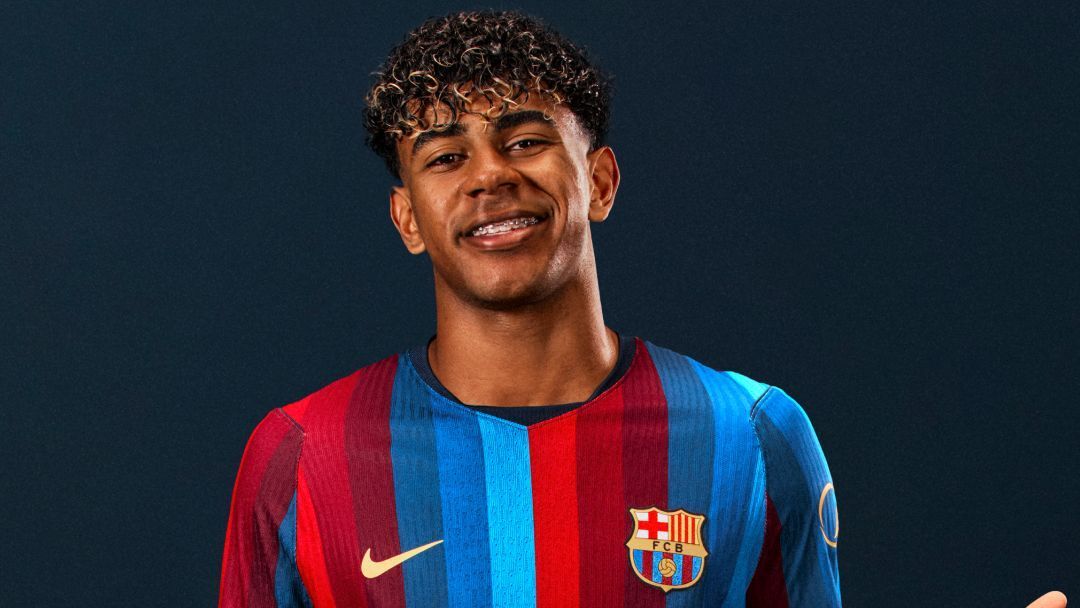
There is something deeply symbolic about a football club choosing its colours carefully when it knows the world is watching. Barcelona’s reveal of their new kit for the 2026 season is not just a fashion moment — it is a statement of intent from a club that has spent years rebuilding its identity, its finances and its hunger for the biggest prize in European club football.
The Blaugrana have always understood that aesthetics and ambition travel together. The classic stripes of Barcelona are recognised from Buenos Aires to Bengaluru, from Lahore to London. For South Asian fans in particular, this club carries a kind of cinematic weight — the era of Messi made Barcelona the team of a generation, and that emotional connection has never fully faded, even as the squad has transformed dramatically since those golden years.
What makes this kit launch culturally interesting is the timing. Barcelona are LaLiga champions, which means they arrive at the next Champions League cycle not as underdogs or pretenders, but as genuine contenders with domestic momentum behind them. A new kit in this context is not merely merchandise — it is armour. It signals to rivals, fans and the broader football world that the club believes this could finally be the cycle that ends more than a decade of hurt in Europe’s elite competition.
For the diaspora fan base spread across Australia, Canada, the UK and the United States, kit releases carry real emotional currency. Replica shirts sell out in shops from Manchester to Melbourne. Young fans in Karachi and Chennai choose their allegiances partly based on these visual moments. Barcelona’s stripes are one of the most iconic images in world sport, and a fresh design refreshes that loyalty cycle — bringing in a new generation while honouring the old guard.
There is also a broader conversation happening here about club football intersecting with international tournament culture. With FIFA World Cup 2026 on the horizon, many of Barcelona’s players will be representing their nations in North America. The club identity and the national identity will blur in fascinating ways — a player pulling on the Barca kit in club football and then switching to his country’s colours at a World Cup creates a dual narrative that fans absolutely love to follow.
Barcelona’s commercial machine is also deeply aware of what a Champions League triumph would mean globally. It would not just be silverware — it would be the kind of story that dominates social media, generates documentary content and cements the club’s place in the consciousness of casual fans who may drift in and out of following European football depending on the stakes involved. A World Cup year only amplifies that attention.
Kit launches can feel like noise in a crowded football calendar, but when a club of Barcelona’s scale and history drops something new while carrying genuine European ambitions, it becomes a cultural moment worth paying attention to. The stripes are back, the hunger appears real, and the stage is set for a fascinating season ahead. So here is the question for FilmiTalk readers — do you think Barcelona have what it takes to finally end their Champions League wait, or is European glory still one rebuild away?