Messi Enters the Superhero Universe — And It Makes Sense
FilmiTalk Take
Messi crossing into the superhero world reflects how football's biggest names now live as full pop culture icons, not just athletes — and for the World Cup 2026 generation, that distinction barely exists anymore.
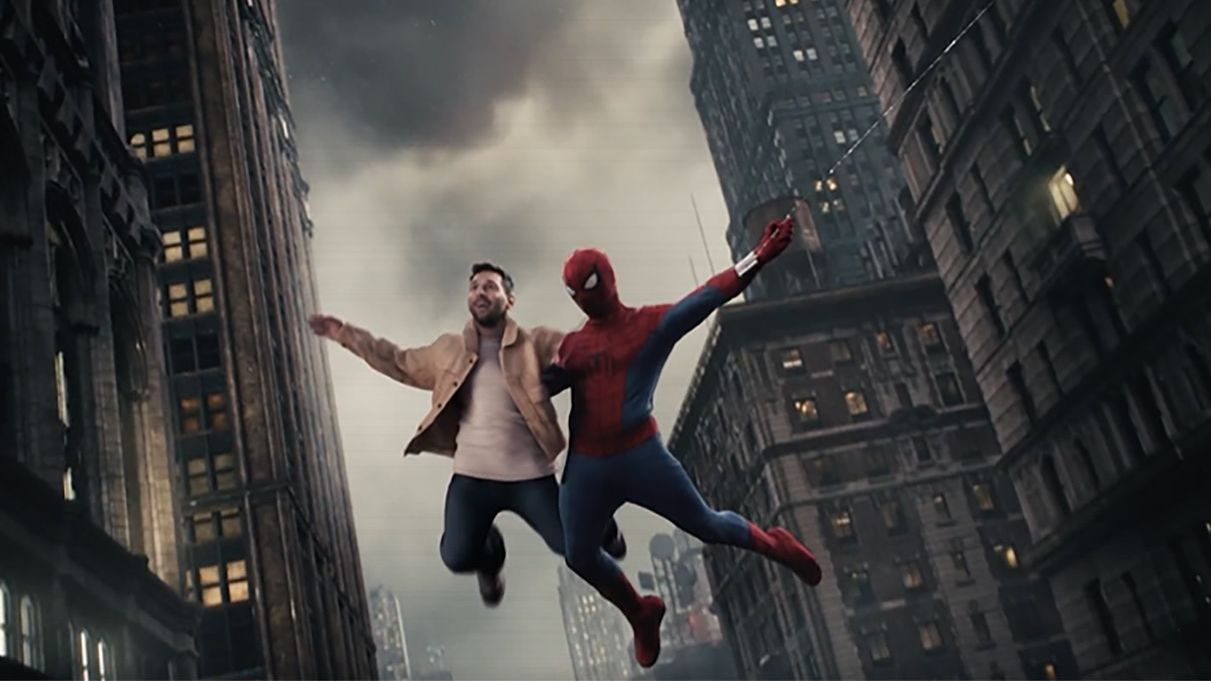
Some crossovers feel forced. This one feels almost overdue. Lionel Messi, the man who has spent two decades defying what human legs are supposed to do with a football, is stepping into the superhero universe alongside Tom Holland — and honestly, the only surprising thing is that it took this long.
For a global generation that grew up watching Messi do things that made their jaws hit the floor, the idea of him existing in a world of caped crusaders and CGI spectacle is not a stretch. It is practically a documentary. Fans in Mumbai, Lahore, Sydney, Toronto and East London have spent years arguing that Messi operates on a plane that regular footballers simply cannot access. The superhero label has always followed him. Now it is official.
The timing could not be more interesting. With FIFA World Cup 2026 on the horizon, Messi’s cultural footprint is expanding in every direction. Argentina’s World Cup triumph in Qatar in 2022 did not just complete his sporting legacy — it turned him into a figure of almost mythological status across South Asia, Latin America and the diaspora communities that follow football with religious devotion. In Pakistan and India especially, the Messi faithful are not casual fans. They are devoted in a way that crosses sport entirely and enters something closer to cinema worship. Which makes his move into the superhero space feel completely natural to that audience.
There is also something genuinely clever about the pairing with Tom Holland, an actor who has built his own global fanbase through a superhero franchise that resonates deeply with younger audiences everywhere. Both men carry a kind of underdog energy that translates across cultures — the smaller guy who somehow outperforms everyone around him, the likeable figure who never quite looks like the obvious hero until he absolutely is. South Asian audiences in particular have always connected with that archetype. It is baked into Bollywood storytelling, and it is exactly why Messi has such a fierce following from Karachi to Melbourne.
From a World Cup perspective, this matters because football in 2026 is not just a tournament anymore. It is a full cultural event that will be consumed through social media, streaming, celebrity crossovers and fan communities as much as through match broadcasts. Messi entering the superhero universe during this cycle adds another layer to how the sport is being packaged and presented to a global audience that is younger, more digitally connected and more influenced by pop culture than any previous generation.
For the South Asian diaspora specifically, this kind of crossover is manna. Football fandom in these communities has always existed alongside Bollywood obsession, music passion and celebrity culture. FilmiTalk’s own readership lives exactly at that intersection. A Messi superhero project is not just sports news — it is the kind of cultural moment that gets discussed in WhatsApp group chats, debated in university common rooms in Birmingham, and celebrated with the same energy as a blockbuster release.
Messi has always been more than a footballer to the people who love him most. The superhero universe is just the latest screen large enough to hold that idea. So the question for FilmiTalk readers is this — if Messi is getting his superhero moment, which other football icon from World Cup history deserves their own cinematic universe next?