The Oregon Town Where Mexican Football Never Left Home
FilmiTalk Take
Woodburn, Oregon is a reminder that World Cup 2026 will be defined as much by diaspora communities living the tournament from the inside as by anything happening on the pitch. Football's deepest loyalties are often found far from home.
Some of the most passionate football cultures in the world exist nowhere near a famous stadium. They live in living rooms, community centres, and dusty pitches in towns that most people could not find on a map. Woodburn, Oregon is one of those places, and ahead of FIFA World Cup 2026, its story deserves to be told loudly.
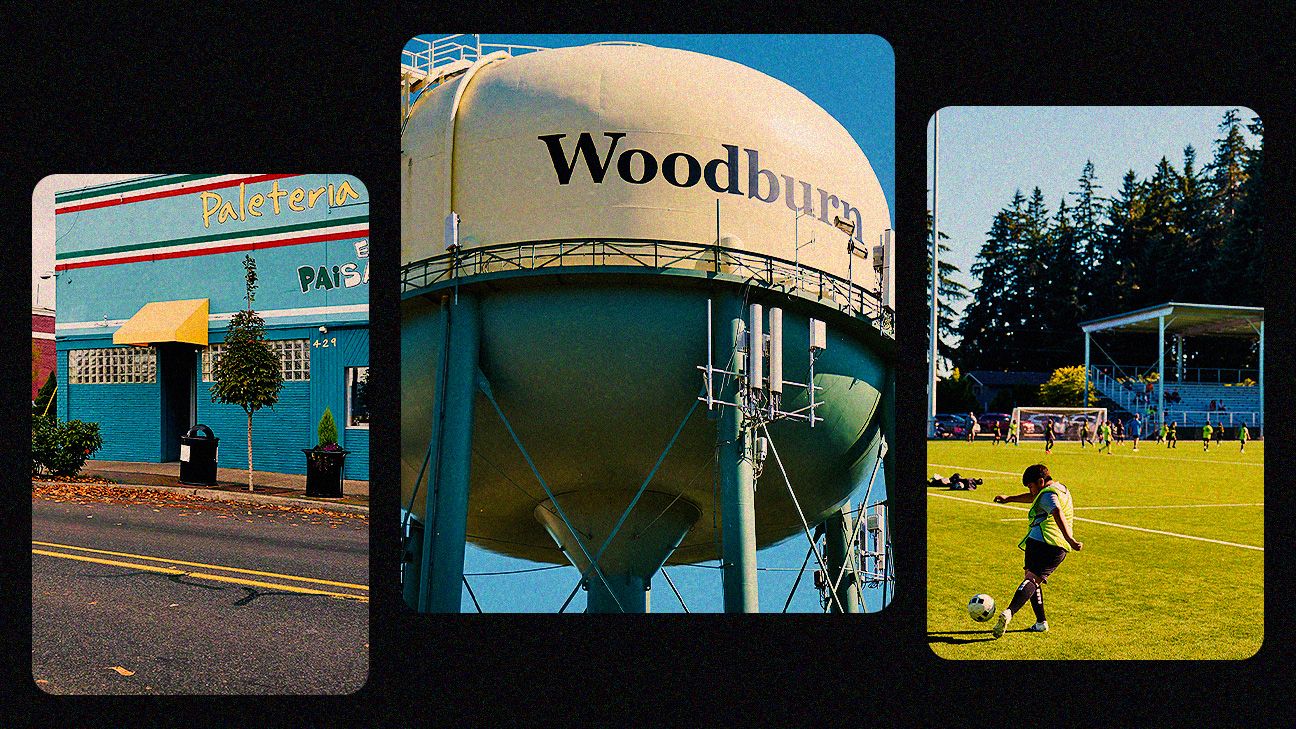
Woodburn is a small city in the Willamette Valley, but for decades it has been home to one of the most deeply rooted Mexican communities in the Pacific Northwest. Football did not arrive here with the World Cup hype cycle. It was already there, stitched into the fabric of daily life long before broadcasters started talking about North America hosting the greatest tournament on earth. When Mexico plays, Woodburn does not just watch. It feels it.
This is exactly what makes World Cup 2026 so culturally significant for diaspora communities across North America. The tournament is being hosted across the United States, Canada, and Mexico, which means millions of fans will experience something rare — a World Cup that is geographically close to home, even if home itself is complicated. For Mexican communities settled across American towns like Woodburn, the proximity is emotional as much as it is physical. The flags going up on porches, the jerseys worn to work, the children learning cheers their grandparents once sang in Guadalajara or Oaxaca — all of it connects generations across borders.
For South Asian fans watching from Australia, the UK, Canada, or the United States, there is something deeply familiar about this story. The experience of supporting a national team from thousands of miles away, of gathering with your community to feel a connection to somewhere that shaped you, is universal. Whether it is Pakistan fans crowding into a restaurant in Birmingham to watch a cricket final or Indian football supporters following the sport with quiet devotion despite their own team’s absence from the World Cup, the emotional architecture is the same. Sport becomes a vessel for identity when geography separates you from your roots.
What Woodburn represents is also a reminder that FIFA World Cup 2026 will generate stories far beyond the ninety minutes on the pitch. The tournament’s expansion to 48 teams and its sprawling host nation format means more communities, more diasporas, and more cultures will find themselves reflected in the competition than ever before. A Moroccan neighbourhood in Montreal, a Senegalese community in Dallas, a Mexican stronghold in Oregon — these are all part of the tournament even if they never step inside a stadium.
Football has always been the sport of the displaced and the determined. It travels in suitcases and survives in memory. It gets passed down not through coaching manuals but through Saturday afternoons on concrete pitches and arguments about formations over food. Woodburn is proof that a game does not need a grand venue to carry enormous meaning. Sometimes the most powerful football cultures are the quietest ones.
As World Cup 2026 approaches and the global conversation turns to group stages and star players, it is worth asking: which community in your city or town carries the World Cup in its heart in a way that most people around them will never fully understand?