Germany Out: The Disallowed Goal That Shocked the World
FilmiTalk Take
Germany's shock exit, shaped by a disallowed goal under tightened FIFA regulations, has reignited the global debate about whether football's evolving rulebook is enhancing the game or quietly suffocating its most electric moments.
Some exits sting. Some exits scar. Germany’s elimination from the FIFA World Cup 2026 has done both — and the wound is being kept fresh by the official explanation that followed.
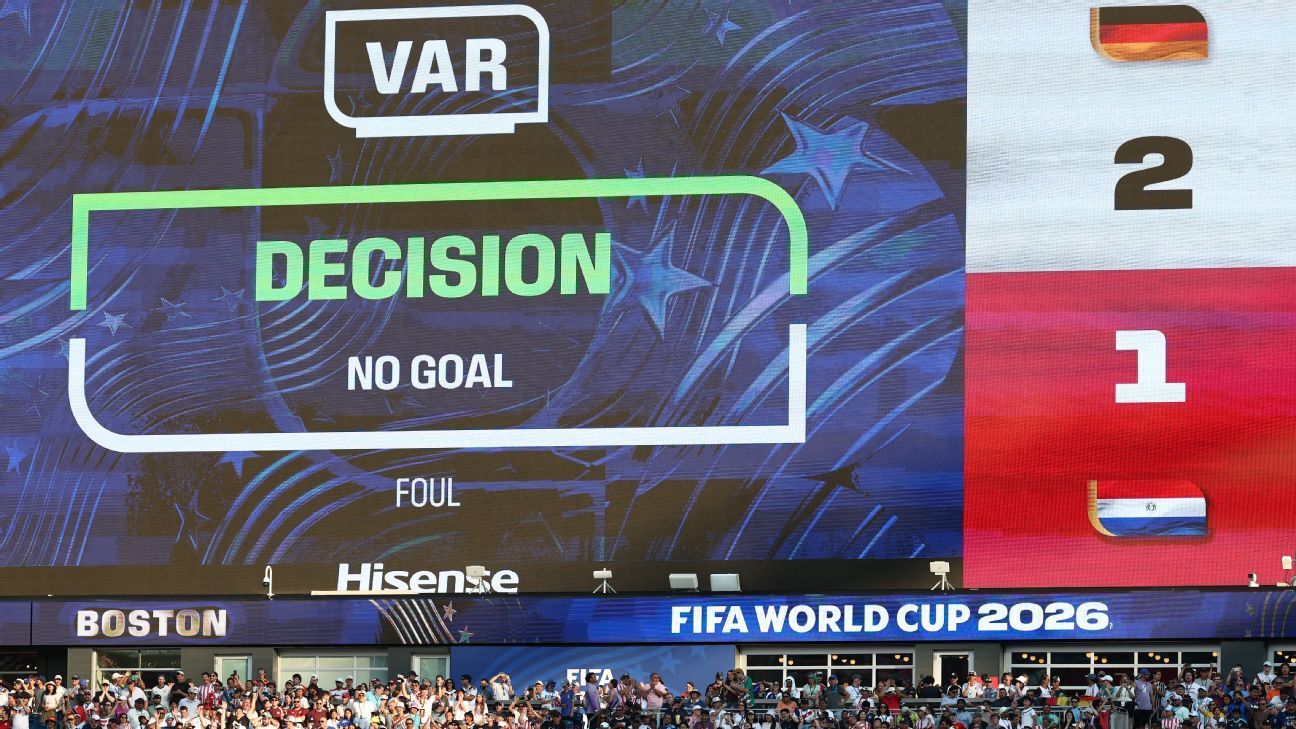
FIFA stepped in to clarify the tighter regulations that led to a potentially match-winning Germany goal being ruled out, a call that ultimately contributed to one of the most shocking eliminations in recent World Cup history. The fact that football’s governing body felt the need to issue a formal explanation tells you everything about how much noise this decision created. When FIFA is publicly clarifying a ruling, you know the football world has not moved on quietly.
For German fans — and there are millions of them scattered across South Asian diaspora communities in the UK, Canada, Australia and beyond — this is a particular kind of heartbreak. Germany has historically been the team you could count on in tournaments. They grind, they organise, they survive. Watching them exit under a cloud of officiating controversy is not just disappointing, it feels deeply wrong to a fanbase that prides itself on belief in the process. In living rooms from Birmingham to Brampton, the reaction was probably not printable in a family publication.
The broader football culture angle here is impossible to ignore. Tighter regulations and evolving interpretations of the laws of the game have been a running conversation throughout this World Cup. Fans and pundits alike have struggled to keep pace with how VAR, offside technology and specific rule applications are being enforced in 2026. When a goal gets disallowed in a moment that defines a team’s entire tournament, those abstract debates about regulations suddenly feel very personal and very urgent. No one is sitting calmly discussing the nuance of the rulebook when their team is on the plane home.
What makes this story matter beyond Germany’s pain is the precedent it sets for the rest of the tournament. If teams and fans across the world are watching a World Cup where technically correct but emotionally brutal officiating calls are reshaping entire campaigns, the conversation around football’s relationship with technology and regulation is going to intensify dramatically. This is not just a German problem — it is a World Cup-wide reckoning.
For the South Asian football audience in particular, many of whom are watching neutrally but passionately, this kind of story cuts through. The love of the game in this community is not tied to one nation — it is tied to the spectacle, the drama, the justice of competition. When a giant falls to a rulebook rather than a rival, it challenges what we want football to be. Not every fan wanted Germany to win. But most fans wanted them to lose on the pitch, not in a technical footnote.
FIFA’s clarification may be legally sound and procedurally correct. But football has never been only about what is correct. It has always been about what feels right. And right now, in pubs and WhatsApp groups and living rooms from Lahore to London, it does not feel right at all.
So here is the question worth sitting with: in an era where technology can measure millimetres and regulations grow tighter every cycle, are we building a more fair World Cup — or just a more complicated one?