Tuchel Uses Big Exits to Keep England Grounded at WC 2026
FilmiTalk Take
Tuchel using rival nations' shock exits as a psychological anchor is smart tournament management — it signals that England, for once, might be approaching a World Cup with their feet on the ground rather than their heads in the clouds.
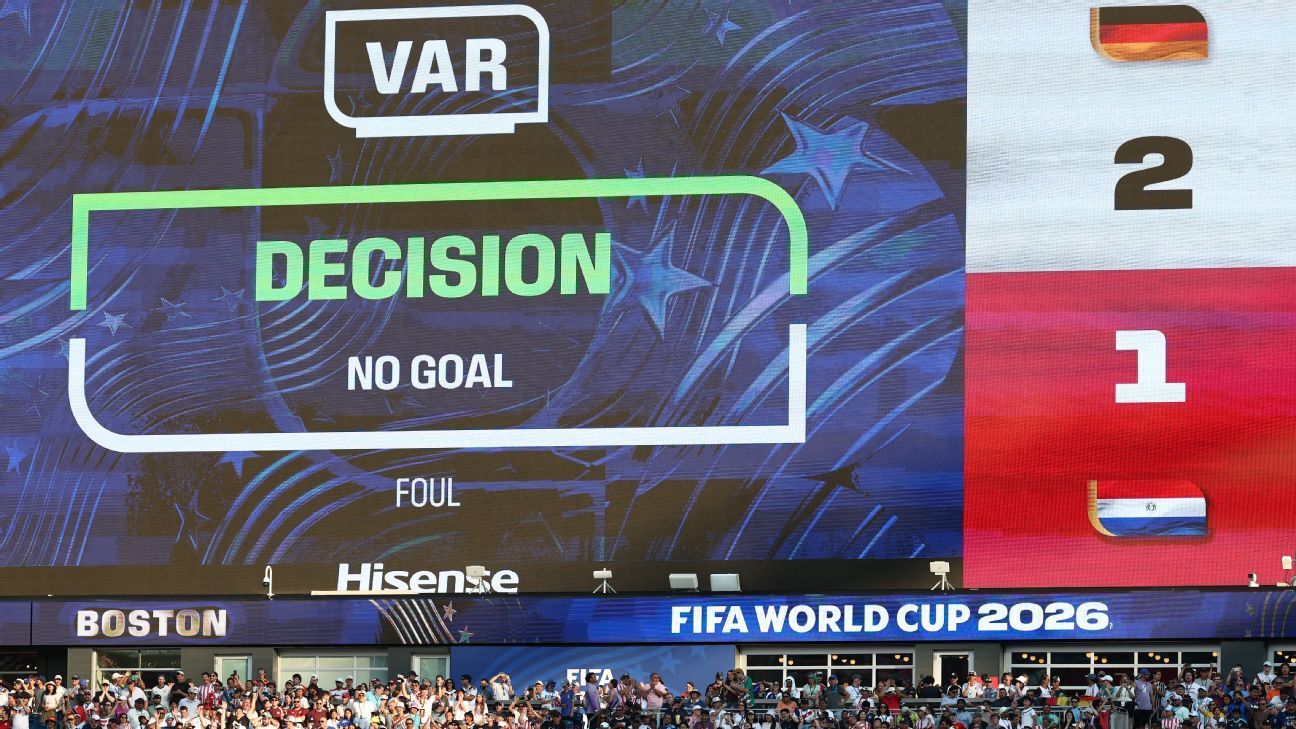
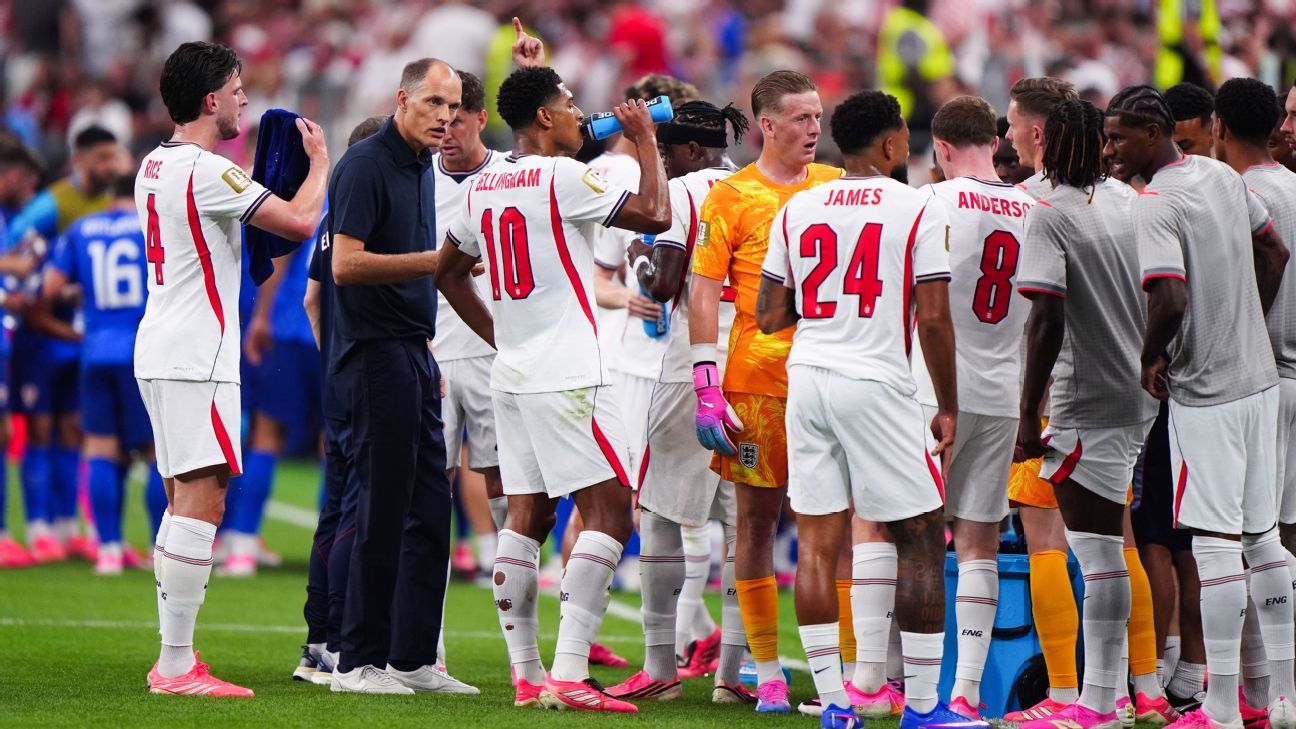
Sometimes the most powerful team talk doesn’t come from your own dressing room — it comes from watching giants fall elsewhere. Thomas Tuchel, England’s cerebral German head coach, has turned the early World Cup exits of Germany and the Netherlands into a psychological tool, using those shocks to remind his squad that no name, no history and no reputation is a free pass at FIFA World Cup 2026.
It’s a smart piece of man-management, and frankly, it’s exactly what England have needed for decades. The Three Lions have long carried the weight of expectation like a curse — a fanbase that oscillates wildly between coronating the squad as world champions and torching the whole project after a single poor half. Tuchel clearly understands that culture, even if he didn’t grow up inside it, and he’s using the tournament’s own drama to recalibrate the mood before it spirals.
The exits of Germany and the Netherlands — two of world football’s most storied programmes — send a message that resonates far beyond England’s camp. For South Asian football fans watching from Melbourne, Manchester, Karachi or Mississauga, this World Cup has already delivered the kind of chaos that makes the group stage appointment viewing. No one is safe. Tactical brilliance, squad depth and pedigree mean nothing if the margins go against you on the day. That unpredictability is precisely why billions tune in.
For England specifically, the match against Congo DR is one that, on paper, might tempt complacency. But Tuchel’s message is clear — use the evidence already sitting in this tournament to stay sharp, stay humble and stay process-focused. It’s not about disrespecting Congo DR; it’s about respecting what World Cup football actually does to teams that arrive thinking the job is already done. History in this tournament is littered with sides that forgot that lesson.
There’s also something culturally interesting about an English setup being guided by a German coach who has watched his own homeland exit early. Tuchel isn’t performing grief about Germany — he’s mining it for practical wisdom. That emotional detachment, that ability to use adversity as data rather than drama, is something the English football psyche has historically struggled with. If Tuchel can genuinely install that mindset into a squad that still carries enormous talent, England could be genuinely dangerous in the knockout rounds.
The diaspora angle matters here too. South Asian England fans — and there are millions of them, from Birmingham to Brisbane — have lived through enough heartbreak to know that hope and hype are very different things. Tuchel’s measured tone might actually land better with that generation of supporters than the chest-thumping narratives that sometimes dominate English football media. There’s wisdom in acknowledging vulnerability. There’s strength in saying: look what happened to Germany, now stay focused.
FIFA World Cup 2026 is still young, and the real tests for England lie ahead. But Tuchel’s approach of grounding his squad in tournament reality rather than national mythology feels like genuine progress. The question now is whether the players absorb it — or whether the noise outside the camp drowns it out. So tell us, FilmiTalk readers: do you think England have finally found a coach who can silence the hype machine, or is the pressure of wearing that white shirt always going to be too loud?