Alia and Sharvari Are Having the Best Moment in Indian Pop Culture
FilmiTalk Take
Alia and Sharvari have pulled off something rare — using two completely different platforms to build one unified cultural moment, and it signals a shift in how Bollywood stardom is earned in the digital age.
Watch Related Video
There are rare moments in pop culture when the stars align so perfectly that you stop and think — okay, something real is happening here. That moment belongs to Alia Bhatt and Sharvari right now, and it is not by accident.
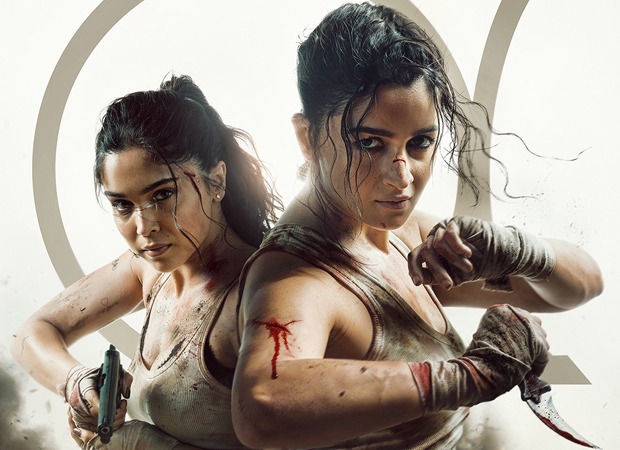
The Alpha trailer dropped and did something that pure marketing budgets rarely achieve — it sparked genuine excitement. The YRF Spy Universe has always carried blockbuster weight, but putting two women at the absolute centre of its action machinery feels like a statement. Not a cautious, one-foot-in statement. A full-on, explosions-and-combat, we-are-the-protagonists statement. Audiences across social media responded to that energy immediately, with the trailer drawing praise for how convincingly Alia and Sharvari hold the frame against Bobby Deol’s villain. For a South Asian audience that has spent decades watching women in Hindi cinema get sidelined into the romantic subplot, watching them drive the action is quietly significant.
But here is where the cultural moment gets genuinely interesting. At the exact same time that Alpha is selling audiences on these two as unstoppable action heroes, Alia and Sharvari walked onto India’s Got Latent and were completely, wonderfully themselves. Samay Raina’s platform has this uncanny ability to strip away the PR layer that most Bollywood appearances come wrapped in. Celebrities go on that show knowing the format will not protect them, and the ones who thrive are the ones who lean into it rather than flinch. Alia leaned in hard. A moment where she pushed back on a sexist audience comment spread rapidly online and landed exactly the way spontaneous, unscripted moments always do — with far more impact than any choreographed press junket clip. Sharvari, meanwhile, held her own with comic timing that caught a lot of people off guard, earning genuine appreciation from a Gen Z audience that has very little patience for celebrities who seem uncomfortable in their own skin.
What is fascinating is that these two projects could not be more different on the surface. Alpha is a big-screen, high-stakes action spectacle built for cinemas. India’s Got Latent is chaotic, internet-native and deliberately unpolished. Yet they are feeding the exact same cultural hunger — audiences want women who are confident, self-aware, and not waiting for permission to take up space. The internet has moved on from rewarding carefully constructed celebrity perfection. What it rewards now is presence, and Alia and Sharvari have it in abundance.
For the South Asian diaspora in Australia, the UK, the US and Canada, this kind of moment travels fast. Group chats light up, reels get shared across time zones, and suddenly a Bollywood trailer and a YouTube comedy show are the same conversation. That cross-platform cultural reach is genuinely new, and it reflects how differently younger audiences consume Indian entertainment compared to even five years ago. The boundaries between film promotion and creator culture have collapsed, and the stars who understand that are the ones who cut through.
Alpha still has to deliver when it hits cinemas, and a strong trailer is not a guarantee of anything. But the cultural conversation that has already built around it — amplified massively by that India’s Got Latent episode — means Alia and Sharvari arrive at release with something money cannot easily buy: genuine internet affection. So here is the question worth asking — do you think Alpha can turn this incredible pre-release energy into box office history, or does the real win here lie in shifting what mainstream Hindi cinema looks like going forward?