Eetha Title Row: Family Speaks and Bollywood Can Exhale
FilmiTalk Take
Mangala's clarification is a meaningful moment of family trust in the filmmakers, and it reframes Eetha's title not as a creative liberty but as a piece of authentic cultural history worth preserving on screen.
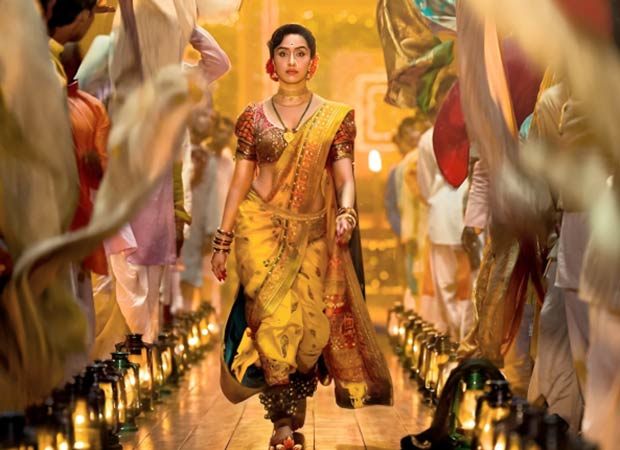
When a biopic about a beloved cultural icon sparks a naming controversy before it even hits theatres, you know the film has already captured public attention in a way most marketing campaigns can only dream of. That is exactly where Shraddha Kapoor’s Eetha finds itself right now, and the latest development in this ongoing conversation adds a layer of genuine warmth to what had started feeling like a storm in a teacup.
At the heart of the debate was a fairly understandable concern. Vithabai Narayangaonkar is not just a name in Maharashtra’s cultural history, she is a legend of the Lavani and Tamasha traditions, a woman who gave her life to a demanding and often undervalued art form. So when political voices and some family members reportedly questioned why the film carrying her story would not simply be titled after her, that reaction came from a place of real reverence. In communities where these art forms run deep, the naming of a tribute matters enormously.
But here is where the story gets more nuanced. Mangala Bansode Karavadikar, Vithabai’s eldest daughter and herself a lifelong Tamasha artiste, has come forward to explain that “Eetha” was not an arbitrary creative choice. It was a name that rural audiences used affectionately when calling out to her mother during performances. That is not a marketing invention. That is living cultural memory, the kind of detail that only someone who grew up watching their mother perform from the age of seven could carry. Her clarification gives the title a rootedness that is hard to argue with.
What is also worth noting here is that director Laxman Utekar reportedly did the work. Meeting the family extensively during research, absorbing those personal memories, and incorporating something as intimate as a village nickname into the film’s identity suggests a level of care that goes beyond surface-level inspiration. Biopics in Bollywood have a complicated track record when it comes to respecting the subjects they depict, so when a filmmaker actually sits with the family and listens, it deserves acknowledgment.
For Shraddha Kapoor, this project already looks like a significant departure from her usual screen persona. The teaser has drawn genuine curiosity, and audiences have responded warmly to her physical transformation for the role. Paired with Randeep Hooda and Mohammed Zeeshan Ayyub, and produced by the consistently dependable Maddock Films, Eetha is shaping up to be one of the more culturally ambitious releases of the year. An August 28 Raksha Bandhan release puts it in strong festive territory.
The fact that Mangala has also reportedly asked other family members to hold back on further public statements shows a maturity in how the family wants this story to unfold. She wants her mother’s legacy to reach new audiences, and she trusts the filmmakers to carry it with integrity. That kind of endorsement, from someone who lived alongside this legend, carries more weight than any political press statement.
Controversies around biopics often fade once the film speaks for itself. But this one has already sparked a conversation about how we name our cultural tributes and who gets to decide. So here is the question worth sitting with: should a biopic’s title always carry the subject’s name, or does a title rooted in lived cultural affection tell a deeper story?