El Tri Are Home, and Mexico Finally Feels It
FilmiTalk Take
Mexico's 2026 World Cup story is bigger than football — it is a nation reconnecting with its team on its own ground, and that emotional shift could matter as much as any tactical gameplan.
There are moments in football when a team stops being just a team and becomes something more — a feeling, a heartbeat, a reason to believe again. For Mexico at the 2026 FIFA World Cup, that moment appears to have arrived, and it has everything to do with where they are playing.
At Qatar 2022, El Tri carried more than a squad list onto the pitch. They carried the weight of a fractured relationship with their own supporters. The disconnect was real and it was painful — fans who had grown tired of the same Round of 16 exits, the same promises, the same heartbreak. Some supporters in the stands that November felt they were watching a national team in name only, a group of players who seemed emotionally distant from the green jersey they wore. It was a tournament the Mexican footballing public endured rather than embraced.
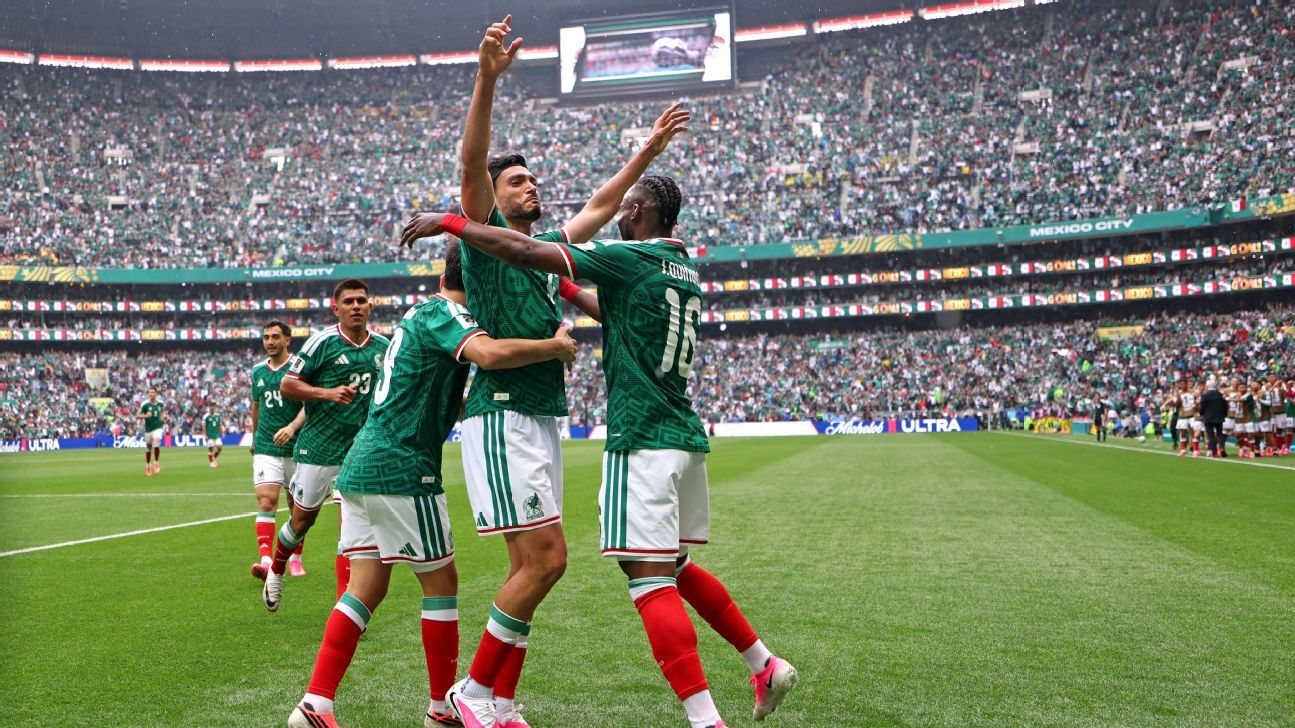
But 2026 is different. When your World Cup comes home — and for Mexico, home is not just a metaphor but a literal reality, with matches being hosted across Mexican cities as part of the tri-nation tournament shared with the USA and Canada — something shifts in the atmosphere. The stadiums are not just full, they are alive in a way that neutral venues rarely allow. The chants are louder. The colours are brighter. The emotional stakes feel personal in every seat of every stand.
For the South Asian diaspora watching from Melbourne, Birmingham, Toronto or Houston, this kind of story resonates deeply. There is something universally understood about a team rediscovering its identity in front of the people who shaped it. Whether you grew up watching Pakistan cricket at a home series or cheered India on in a home World Cup, you know what it means when the crowd and the players are finally speaking the same language. Mexico right now is speaking that language.
El Tri has historically been one of the most followed teams on the planet, with a fanbase that stretches from Los Angeles to London. The Mexican football community in the United States alone is enormous, and for millions of Mexican-Americans, this tournament carries a generational weight. Grandparents who watched the 1970 and 1986 World Cups on Mexican soil are now watching alongside their grandchildren. That is not a small thing. That is football doing what only football can do.
The cultural healing aspect of this story matters as much as anything that happens on the pitch. Sport has a unique power to repair a relationship between a people and their national symbol, and what appears to be happening with El Tri right now is exactly that kind of repair. The conversation has changed. The pride is back. The connection that seemed severed in Qatar looks like it is being stitched together again, stitch by stitch, match by match, goal by goal.
Whether El Tri can convert this renewed energy into a deep tournament run remains the ultimate question — but right now, the story is not just about results. It is about reclaiming something that felt lost. So here is what we want to know from you: do you think playing on home soil can genuinely transform a team’s tournament destiny, or is it just atmosphere without guarantees?