Facing Messi and Bellingham Before the World Knew Their Names
FilmiTalk Take
The accounts of those who faced Messi and Bellingham early are a reminder that World Cup superstars do not arrive unannounced — the world just takes time to catch up with what the people on the pitch already knew.
There is a particular kind of dread that comes not from losing, but from realising mid-game that the person opposite you simply exists on a different plane. That is the thread running through the stories of those who faced Lionel Messi and Jude Bellingham before the world had fully caught up with what they were watching.
As FIFA World Cup 2026 approaches and both men prepare to take centre stage on the grandest football stage of all, these firsthand accounts carry real weight. They are not nostalgia pieces. They are evidence. When opponents say it felt abnormal, that the movement was too quick, the decision-making too sharp, the presence too heavy for someone so young, it reframes everything we now take for granted about these players. Greatness, it turns out, announces itself early and loudly to those paying attention.
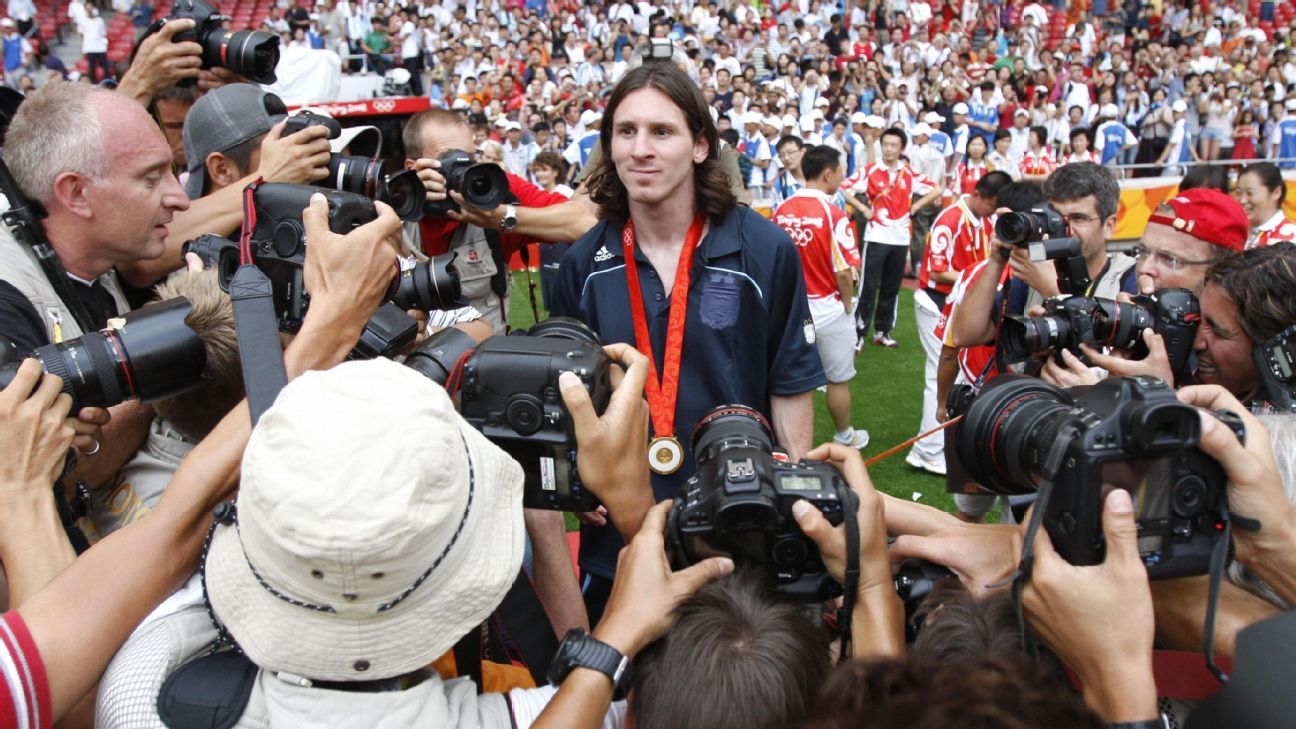
For South Asian football fans across the diaspora — whether you are watching from Melbourne, Manchester, Mississauga or Multan — Messi is not just a footballer. He is a reference point for what human potential looks like when it is fully realised. Entire generations grew up measuring greatness against him. His World Cup winner in Qatar was not just a trophy lift, it was a generational exhale. Now, with 2026 looming, the question of how Argentina defend that crown — and how Messi performs on the biggest stage one more time — sits at the heart of the tournament’s emotional narrative.
Bellingham is a different kind of story. He is the heir apparent to a certain tradition of English football royalty, the sort of player England fans have been promised and disappointed by for decades. But unlike so many before him, Bellingham has already delivered at club level in the most pressurised environments imaginable. Those who played against him as a teenager were already sounding the alarm. The accounts of people who faced him early and walked away shaking their heads are not surprising — they are simply the opening chapters of a story still being written.
What makes these testimonies culturally fascinating is that they humanise the myth-making. Fans build legends through highlight reels and trophy cabinets, but the players who trained alongside or competed against these icons offer something rawer. They saw the thing before it had a name. They lost a tackle or a duel and felt it differently than a normal defeat. That specificity — the ‘it wasn’t normal’ quality — is what separates true generational talent from the merely excellent.
World Cup 2026 will be the largest edition of the tournament ever staged, sprawling across the United States, Canada and Mexico. The scale is enormous, the storylines already stacking up. But at its core, fans everywhere will still be watching for those moments of individual brilliance that make the tournament feel personal. A Messi dribble. A Bellingham surge. The kind of moment someone, somewhere, will be talking about years later saying — I saw that live and it wasn’t normal.
So as we count down to 2026, here is the question worth sitting with: if you could have faced either of these players at any point in their career, which version would you have chosen — and do you think you would have spotted the greatness straight away?