FIFA’s Boss Is Racking Up Miles at World Cup 2026
FilmiTalk Take
The FIFA president's 24,000-mile tour of World Cup 2026 host nations is a vivid symbol of just how colossal this tournament is — and it is already sparking debate among fans about scale, access and who the beautiful game is really being run for.
When the World Cup is this big, even the man running the show needs a serious travel itinerary.
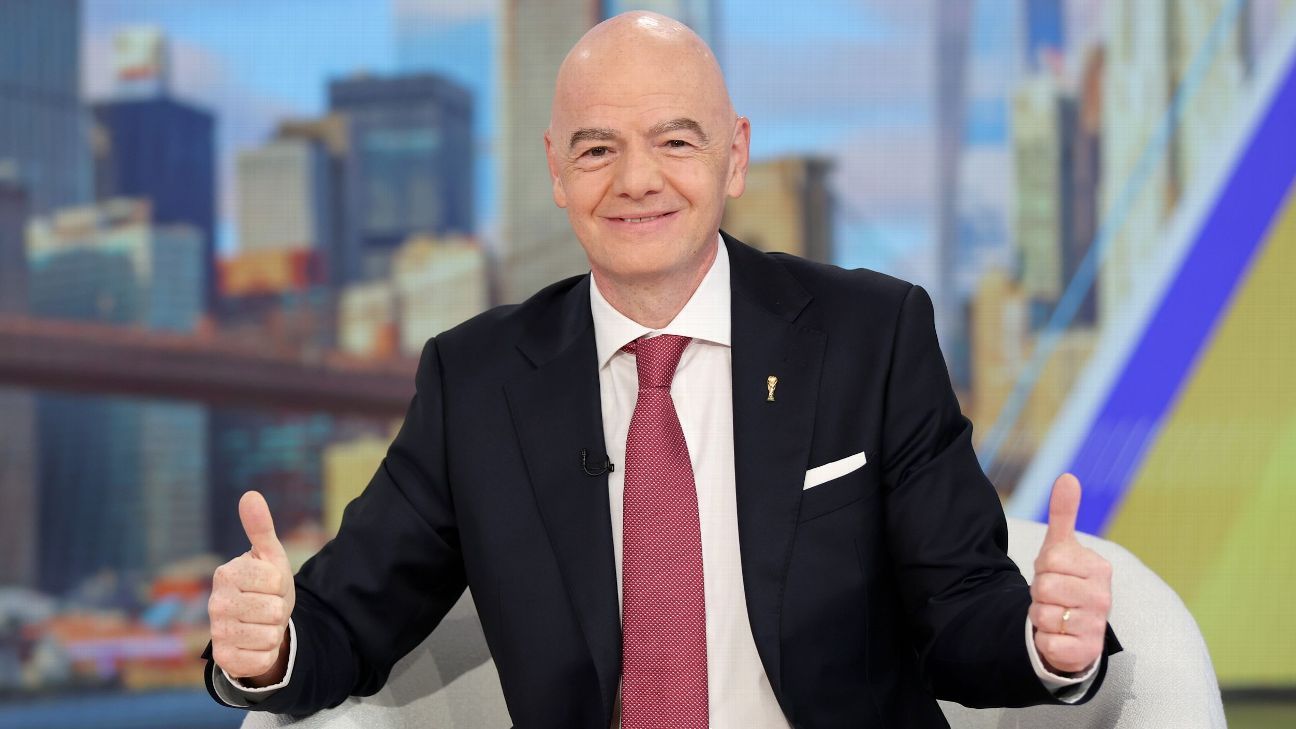
FIFA president Gianni Infantino has reportedly logged around 24,000 miles in the air during the tournament, hopping between the three co-host nations of the United States, Canada and Mexico. For context, that is roughly the equivalent of circling the entire Earth once. It is the kind of schedule that would exhaust a touring pop star, let alone the head of world football’s governing body.
But here is the thing — the sheer scale of that travel actually tells you everything about what FIFA World Cup 2026 is. This is not a single-stadium showpiece or even a compact tournament nestled into one country. This is a continental spectacle stretched across borders, time zones and cultures. Matches are being played in cities from Vancouver to Guadalajara to Miami, and keeping a finger on the pulse of all of it requires, apparently, a private jet and an iron constitution.
For fans watching from South Asia, the South Asian diaspora in the UK, Australia, Canada and the United States, or anyone who has been setting alarms at ungodly hours to catch matches, there is something almost relatable about the exhaustion baked into this tournament. Supporters in Pakistan and India have been waking up at 3am and 4am to watch games live. Students in Melbourne and Toronto have been arranging viewing parties across multiple time zones. The World Cup 2026 footprint is enormous, and everyone — from fans in living rooms to officials in private jets — is feeling it.
There is also a broader conversation happening here about how FIFA chooses to govern and present itself during tournaments of this scale. The image of football’s top administrator clocking thousands of air miles on a private jet while grassroots fans scrape together money for streaming subscriptions and replica kits is one that does not go unnoticed. Football supporters are passionate, but they are also perceptive, and the contrast between executive travel and fan sacrifice is always a talking point at major tournaments.
That said, with a World Cup this geographically ambitious, some level of movement across host cities is genuinely necessary. Inaugurals, finals, group stage openers, key diplomatic moments — the FIFA president is expected to be visible and present. The question is not whether he should be attending matches, but what the overall optics of that presence communicate to a global fanbase that is increasingly vocal about governance, transparency and the soul of the game.
World Cup 2026 is already historic. It is the largest FIFA World Cup ever staged, the first to feature 48 teams, and the first to be co-hosted across three nations. That ambition is genuinely exciting for billions of fans worldwide. The tournament deserves commentary on the spectacle, the football and the human stories within it — and yes, even the logistics of running it from the top.
So here is the question for FilmiTalk readers across the globe: do you think the scale of World Cup 2026 is a celebration of football’s global reach, or has the tournament grown so large that it is starting to lose its soul?