Inside the World Cup Dream: What Players Really Feel
FilmiTalk Take
Kastaneer's story is a reminder that the expanded 48-team World Cup was always about more than football — it was about finally giving smaller nations and their players a moment the world cannot ignore.
There are 1,200 players at FIFA World Cup 2026, and almost none of them will lift the trophy — but that has never been the point for most of them.
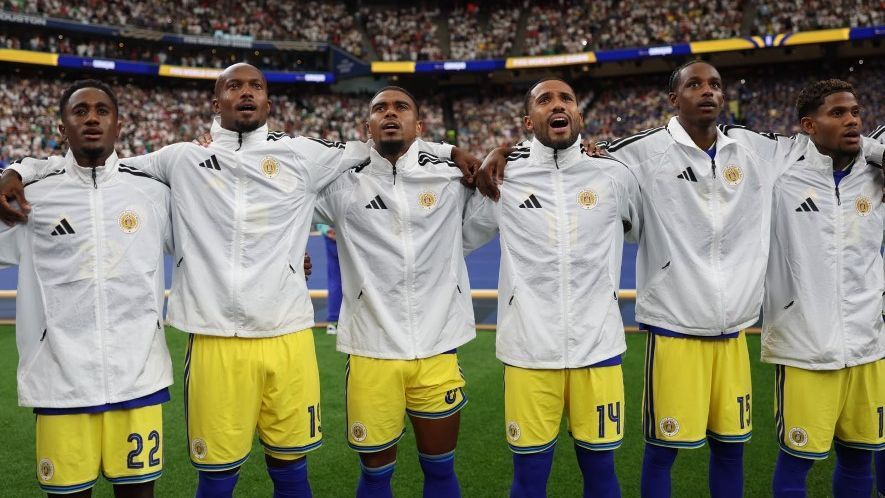
Curacao forward Gervane Kastaneer has done something quietly remarkable by opening up about what it actually feels like to live inside the world’s biggest football tournament. Not the goals, not the tactics, not the press conferences — but the raw, human experience of being there. The tears before the anthems even begin. That detail alone says everything. This is not just sport. For players from smaller footballing nations, this is a moment they have spent entire lifetimes chasing, often without the resources, the academies, or the global spotlight that the traditional powerhouses take for granted.
Curacao is a tiny island nation in the Caribbean with a population of around 150,000 people. For context, that is smaller than most South Asian cities’ individual neighbourhoods. Yet here they are, on the grandest stage in world football. For the South Asian diaspora — fans in the UK, Canada, Australia, and the United States who grew up cheering for nations that have historically struggled to qualify — there is something deeply familiar in that underdog journey. You do not have to be from Curacao to feel what Kastaneer is describing. You just have to have ever supported a team that the world expected nothing from.
The emotional weight of representing a smaller nation at a World Cup is something that rarely makes the highlight reels. Social media floods with goals and upsets, but the quieter moments — the homesickness, the surreal feeling of walking into a stadium holding 80,000 people when your entire country’s population could barely fill it twice over — those stories tend to get lost. Kastaneer giving voice to that experience is a gift to football culture, and it matters far beyond Curacao’s own tournament results.
For fans watching from living rooms in Lahore, Leicester, Melbourne, or Mississauga, the World Cup has always been about more than winning. It is about belonging. It is about seeing yourself reflected somewhere in that sprawling, chaotic, beautiful festival of football. The players who cry before the anthems are not weak — they are the ones who understand exactly what is at stake and exactly how improbable their presence is. That vulnerability is what makes football the global language it is.
World Cup 2026 is the first edition to feature 48 teams, which means more nations, more stories, and more Kastaneers. Expanded representation was always going to produce this kind of moment — players from corners of the world that previous tournaments had shut out, finally getting to tell their truth on the biggest stage. Critics of the expanded format often focus on competitive dilution, but they miss the point entirely. Football is not just a sport. It is memory, identity, and for one unforgettable few weeks, it is the whole world watching you represent something larger than yourself.
So here is the question for every fan reading this: which player’s World Cup story — not the superstar, not the favourite — has moved you the most this tournament, and why?