One Man Teams: Which World Cup Star Carries Too Much?
FilmiTalk Take
The 2026 World Cup is reminding us that superstars win headlines but squads win tournaments, and for fans emotionally invested in one player's magic, that is a nerve-wracking distinction to sit with.
Every great World Cup needs its gods, and the 2026 edition has delivered them in full colour. The superstars have shown up, the stages are set, and across living rooms in Lahore, Leicester, Toronto and Melbourne, fans are watching certain names carry the weight of entire nations on their backs.
There is something thrilling and terrifying about a team built so heavily around one player. When it works, it produces the kind of tournament mythology that generations talk about. When it does not, it becomes a cautionary tale. The 2026 World Cup is already throwing up exactly this question about several of the favourites: how many of these contenders are genuinely deep squads, and how many are essentially one superstar and ten teammates hoping for the best?
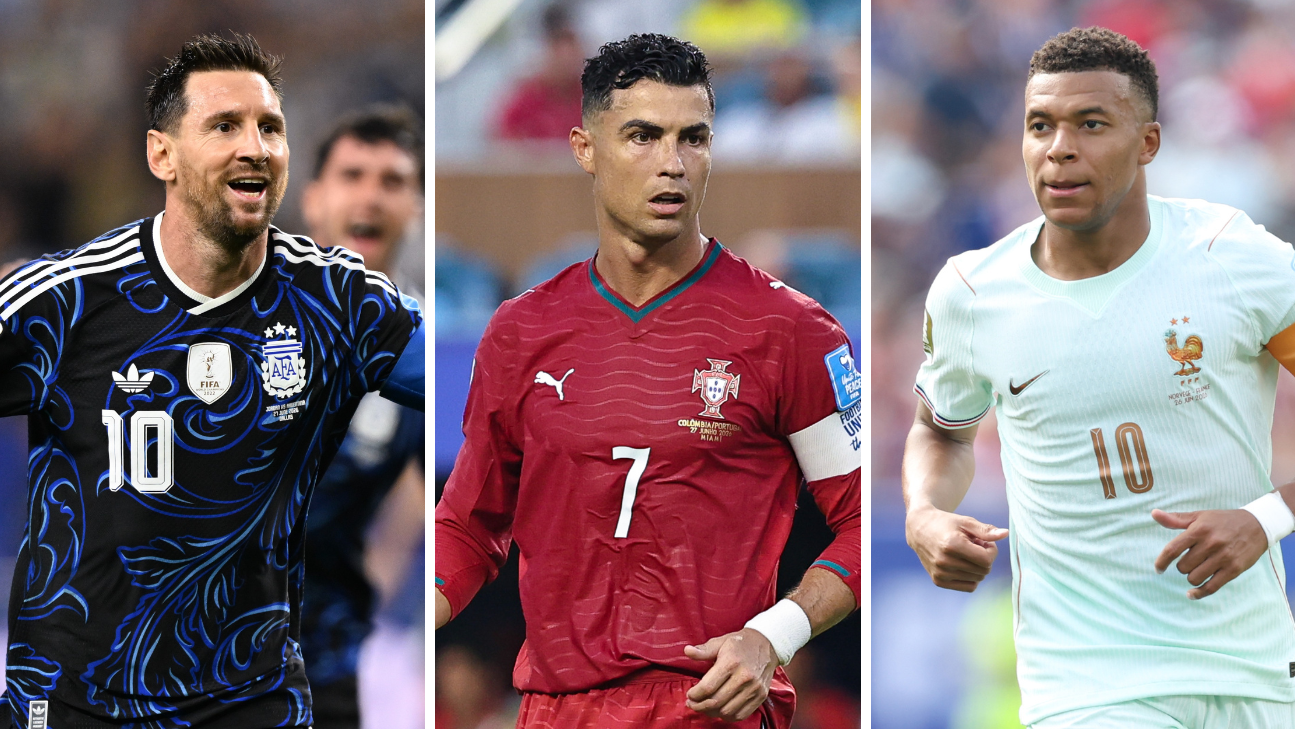
Lionel Messi needs no introduction to South Asian football fans, who have followed his career with the kind of devotion usually reserved for Bollywood royalty. Argentina’s campaign lives and breathes through him. Every touch, every free kick, every moment of magic is shared instantly across WhatsApp groups from Karachi to Sydney. But the flip side of that worship is a real tournament vulnerability. If Messi is marked out of a game, or if age and fatigue catch up with him at a critical moment, does Argentina have enough firepower elsewhere to survive?
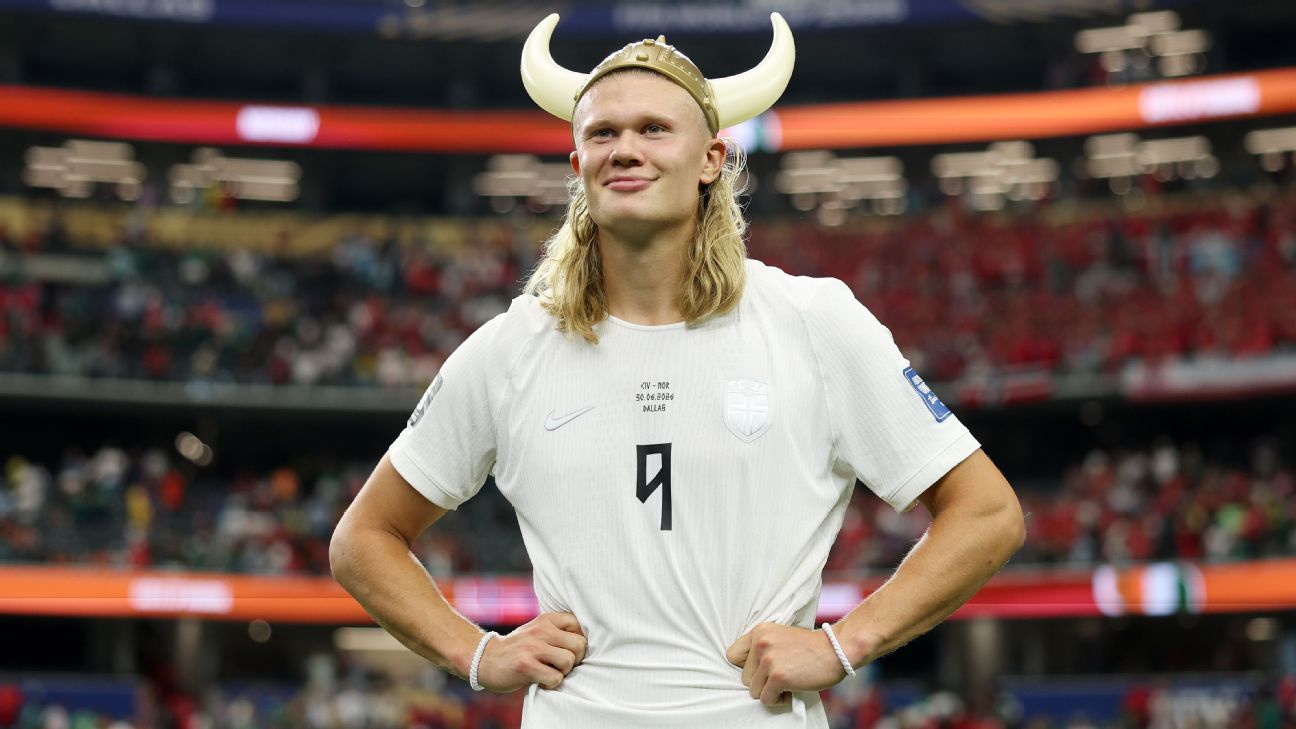
Erling Haaland presents a different kind of problem for Norway, and for neutral fans it is one of the most fascinating subplots of the tournament. He is a force of nature, a player who can make any scoreline feel temporary. But international football is not club football. The service, the structure, the rhythm, all of it changes at this level, and teams built around a single striker are always one bad defensive performance away from disaster.
For the South Asian diaspora, this conversation goes beyond tactics. Supporting a World Cup team is often a deeply personal and cultural act. Many fans in the UK, USA, Canada and Australia back nations connected to heritage, to family loyalty, or simply to the player they fell in love with watching on television as a child. When that player is also the team’s entire attacking identity, supporting them becomes an emotional rollercoaster that no amount of pre-tournament optimism can fully prepare you for.
What makes this debate so rich at a tournament like this is that the answer is never simple. Some one-man teams defy expectations and go deep. Others burn bright for two rounds and then fall apart the moment the opposition figures out the blueprint. Tactical flexibility, squad depth and the ability to win ugly when the talisman goes quiet are what separate genuine title contenders from romantic nearly-men.
The 2026 World Cup is still unfolding, and the knockout rounds are where this question will be answered properly. Pressure has a way of exposing exactly how much weight one player can carry before the whole structure cracks. So here is the question for every football fan reading this: if your favourite World Cup talisman had a quiet game tomorrow, do you trust the rest of their team to step up and get the job done?