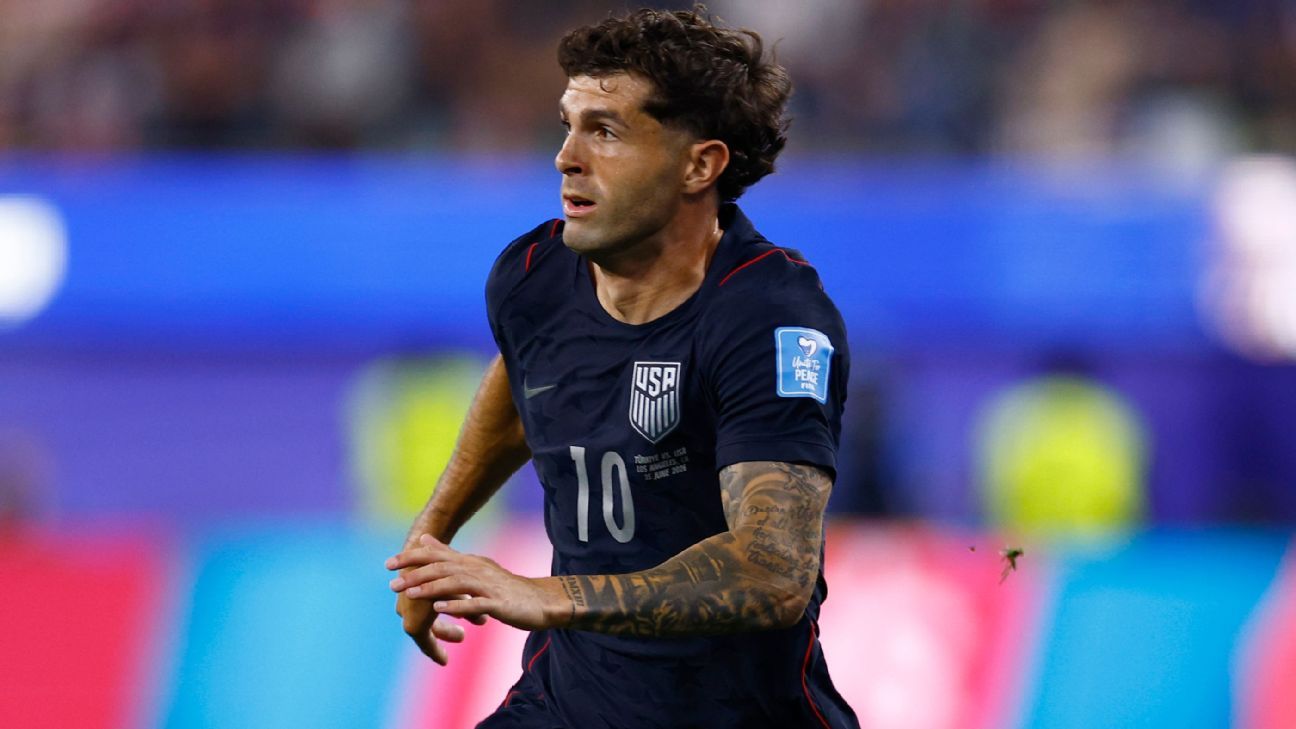
USMNT’s Big Dilemma: Rotate or Stay the Course?
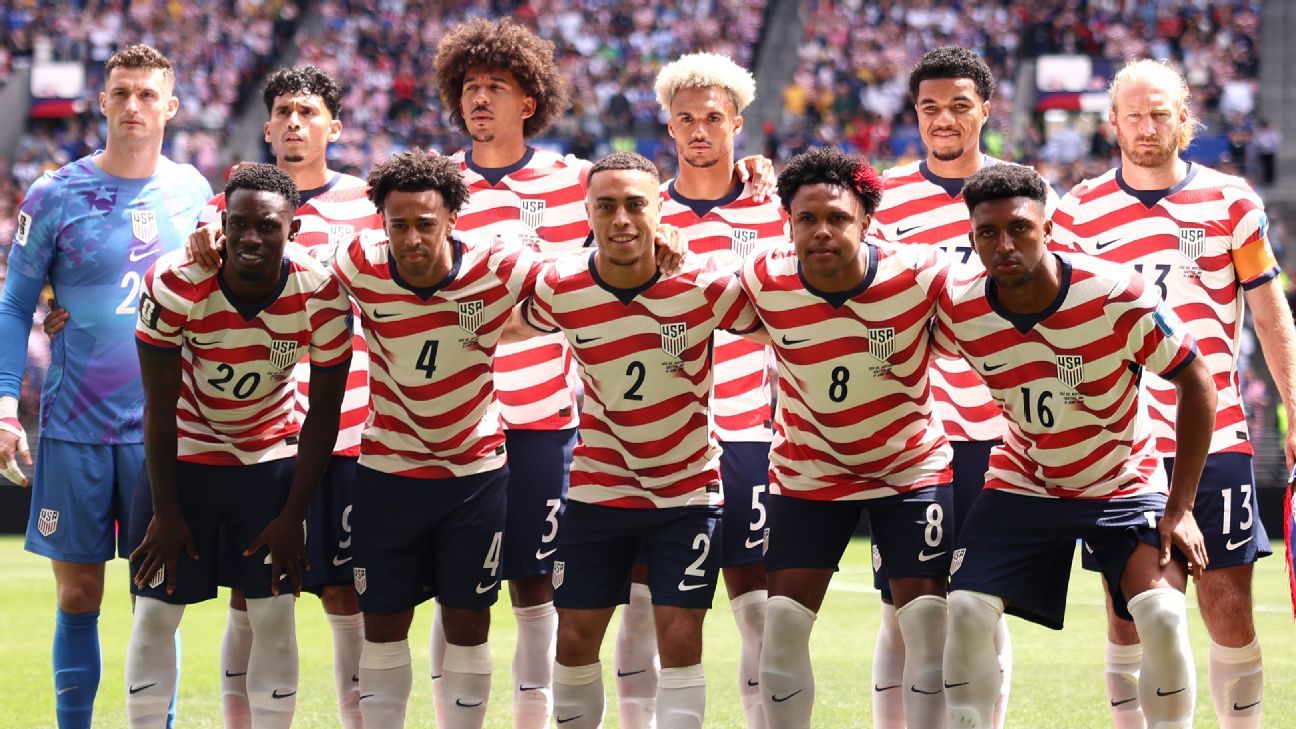
FilmiTalk Take
The USMNT reaching the knockouts as a host nation is a massive moment for American football culture, and how they manage this final group game could quietly define how far they go in the tournament.
There is no sweeter problem in football than the one the United States men’s national team now faces — already through to the knockout rounds, with one group game still to play and a genuine decision to make about how seriously to take it.
For a host nation carrying the weight of an entire football culture’s ambitions, this is the kind of moment that separates good tournament management from great. The USMNT have punched their ticket out of Group D, and that alone is worth celebrating. But what happens next in that final group fixture could quietly shape everything that follows in the knockout rounds.
The rotation debate is one of football’s great recurring arguments. Rest your key players and risk losing rhythm, cohesion and confidence. Keep the same XI and risk fatigue, yellow card accumulations or — worst of all — an injury to someone you simply cannot afford to lose. Neither option is clean, and any coach will tell you the answer changes depending on the opponent, the schedule and the mood of the camp. For the USMNT, with the entire nation watching and a home crowd desperate for deep runs, the stakes around that decision feel enormous.
For the South Asian diaspora supporting the United States — and there are millions of them, from Karachi-born fans in New Jersey to Punjabi communities in California — this tournament carries a particular kind of electricity. Many of them grew up watching cricket or Bollywood, but football has become the second language of their sporting lives. They have embraced the USMNT not just as a team but as a symbol of belonging in a country they call home. A deep World Cup run on home soil is the kind of moment that crosses every cultural boundary.
Rotation also carries a psychological dimension that rarely gets discussed. Fringe players brought in for a “dead rubber” can either seize the moment and force selection headaches in the best possible way, or they can stumble and hand the starting XI a confidence boost that reinforces the status quo. Either outcome tells the coaching staff something valuable. Sometimes the group game you treat as low stakes reveals who your squad truly is when the pressure dips slightly.
What is certain is that the USMNT’s qualification is not just a result — it is a statement. Co-hosting a World Cup alongside Canada and Mexico and failing to get out of the group would have been a catastrophe for American football’s credibility on the world stage. That pressure has been lifted. Now the team can breathe, recalibrate and think about what a genuine deep run actually looks like.
The fans in the stands, the millions watching across time zones, and the diaspora communities cheering from living rooms in Sydney, Birmingham, Toronto and Dubai will all have an opinion on what the coach should do. But here is the real question worth asking — if you were in the dugout with a fully fit squad and a knockout berth already secured, would you gamble on freshness or stick with the formula that got you there?