Welcome To The Jungle’s CBFC Cuts Tell a Bigger Story
FilmiTalk Take
The CBFC's 14-cut list for Welcome To The Jungle highlights how India's censor board continues to shape mainstream commercial cinema in ways that go beyond content warnings — touching everything from military sensitivity to how women's bodies are framed on screen.
Every big Bollywood release comes with its own behind-the-scenes drama, but sometimes the censor board’s cut list is almost as entertaining as the film itself. Welcome To The Jungle, the long-awaited multi-starrer comedy directed by Ahmed Khan, has finally cleared the CBFC with a U/A 16+ certificate — but not before going through a notable round of modifications that range from the predictable to the genuinely eyebrow-raising.
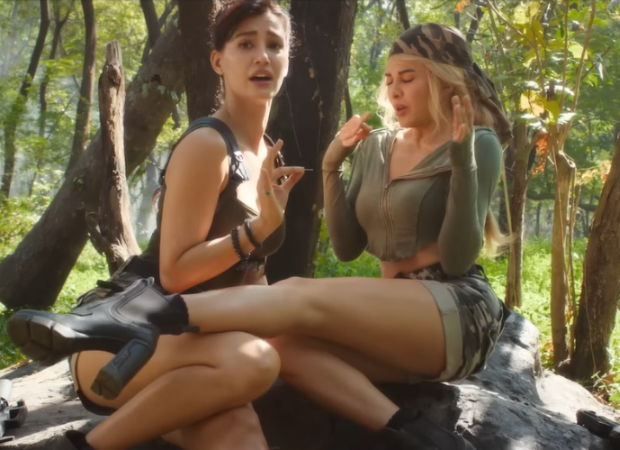
The visual cuts involving Disha Patani and Jacqueline Fernandez are already generating the most buzz online, and honestly, it’s hard to be surprised. Both actresses have built part of their brand on bold, glamorous screen presence, and in a film that was always going to lean into mass commercial entertainment, song picturisations tend to push boundaries. The CBFC flagging sensual bikini visuals and hip movement sequences is consistent with its recent pattern of scrutinising item-style content more closely, particularly after the ongoing cultural conversation around the male gaze in mainstream Hindi cinema.
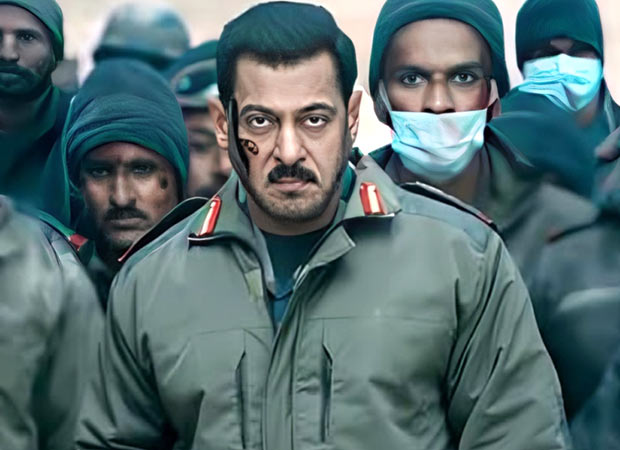
Then there are the dialogue substitutions, which tell their own story about what the board considers sensitive in 2025. The removal of a line referencing the “Paani of Kashmir” reflects the continuing caution around anything that could be read as politically charged, even in a comedy context. Similarly, swapping “Gorkha Regiment” for a generic military reference and replacing “General” with “Officer” suggests a deliberate effort to avoid any perception that the film is invoking real institutional names for comic effect. The armed forces remain a particularly protected space in Indian cinema’s regulatory framework.
The replacement of “Aandha” with “Dheela” is worth noting from a social lens. The CBFC has become increasingly consistent about flagging terms that could be seen as derogatory toward people with disabilities, and that shift, while minor in isolation, reflects a broader push toward inclusive language that has been growing across South Asian media. Whether audiences even notice the change is another question, but regulators clearly do.
For fans of the Welcome franchise, none of this is likely to dampen enthusiasm. The original Welcome and its sequel Welcome Back built a cult following on pure chaos energy, beloved one-liners, and an ensemble cast that played off each other brilliantly. This third chapter brings in a sprawling new lineup alongside returning favourites, and the comedy caper format practically guarantees the kind of theatrical experience that diaspora audiences in the UK, Australia, Canada, and the US tend to turn out for in numbers. Big, loud, unapologetically masala cinema still has its loyal crowd.
At just under two hours and forty-five minutes, Welcome To The Jungle is a substantial sit, and the producers will be hoping every remaining minute lands. A comedy of this scale lives or dies on timing and chemistry, and with 14 modifications already baked into the final cut, there is genuine curiosity about whether any of the trimmed content was actually part of the film’s comedic rhythm or simply excess that the edit could afford to lose. Sometimes censorship cuts fat. Sometimes it cuts something that mattered.
So here is the real question for FilmiTalk readers heading to the cinema this Friday — do CBFC cuts actually affect your enjoyment of a film like this, or does the masala genre absorb these changes so smoothly that you would never notice them?