Algeria vs Austria: 44 Years of World Cup Revenge
FilmiTalk Take
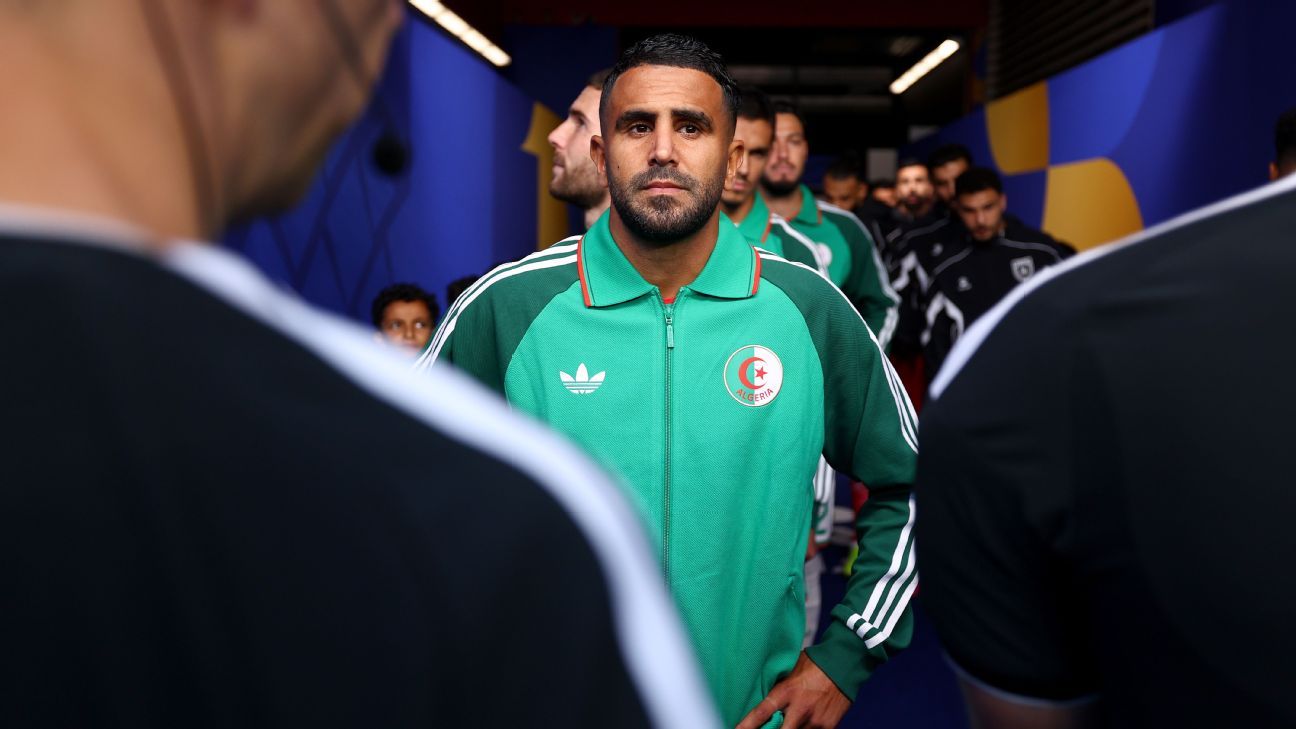
The Disgrace of Gijón is one of football's most infamous moments, and Algeria versus Austria at the 2026 World Cup offers a rare chance for sporting history to be symbolically answered — making it one of the tournament's most emotionally charged fixtures.
Some football fixtures arrive with history so heavy you can feel it before a single whistle is blown — and Algeria versus Austria at the 2026 World Cup is exactly that kind of match.
Cast your mind back to 1982. The World Cup in Spain. A game between West Germany and Austria that both sides appeared to play out deliberately, securing a result that sent Algeria home despite the North African side having performed brilliantly in the tournament. The 1-0 scoreline suited both European teams perfectly. Algeria were eliminated. The football world watched in outrage. FIFA eventually changed its rules so that final group games must be played simultaneously — a direct consequence of that afternoon in Gijón. The so-called Disgrace of Gijón did not just hurt Algeria, it reshaped the entire structure of World Cup group stages. That is the weight Algeria carry into this fixture.
For the Algerian diaspora — spread across France, the UK, Canada, Australia and beyond — this is more than a football match. It sits at the intersection of sport, identity and memory. Generations of Algerian families have grown up hearing about Gijón as a symbol of how smaller football nations can be cheated by the political geometry of bigger powers. Social media timelines in the days leading up to this fixture have been flooded with archive footage, opinion pieces and passionate fan content, all channelling that 44-year-old wound into excitement for what this match could represent.
Austria, to be fair, are a vastly different side from the team that walked out in Gijón. They arrive at the 2026 World Cup as a young, energetic European outfit with genuine tournament ambitions of their own. Their fans would rightly point out that the current squad bears no responsibility for decisions made before most of the players were even born. But sport does not always deal in fairness — it deals in narrative, and the narrative here belongs firmly to Algeria.
What makes this so compelling for a global audience is that it is not just a revenge story. It is a story about whether football’s history can be symbolically corrected on the pitch. The Des Fennessys and Rabah Madjer-era legends gave Algerian football its romance. The current generation has a chance to give it its resolution. For South Asian football fans who understand deeply what it means to be the underdog nation carrying impossible hope into a major tournament, this storyline resonates far beyond North Africa.
The 2026 World Cup, co-hosted across the United States, Canada and Mexico, was always going to produce its share of emotionally loaded fixtures. But few arrive with this level of documented historical grievance attached to them. This is the kind of match that reminds you why the World Cup, at its best, is more than sport — it is living history with a scoreboard.
Algeria’s fans have waited 44 years for this moment. The question now is simple: can the current generation of Les Fennecs finally close the chapter that Gijón left open?